710 Hopewell Drive, Suite 102, Charleston, SC 29492


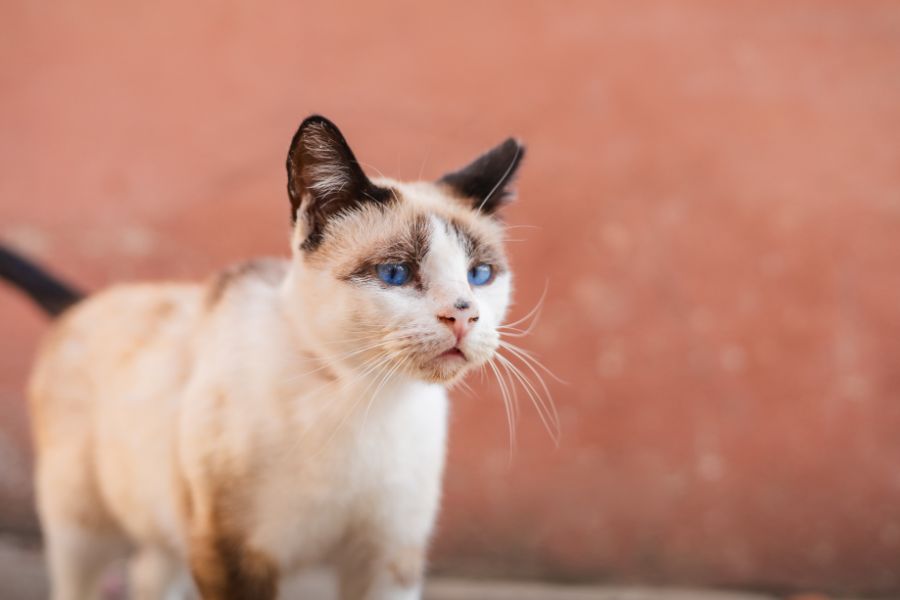
As cats age, their bodies become more sensitive, and pain often goes unnoticed until symptoms become severe. Understanding the signs of pain in older cats is essential for keeping your senior pet comfortable, healthy, and active. This guide explains the subtle behaviors that indicate your senior cat is in pain, common causes like arthritis in older cats, and the safest treatment options to support long-term comfort and mobility.
Why Older Cats Hide Pain
Cats are naturally skilled at masking discomfort — a survival instinct passed down from their wild ancestors. This makes recognizing pain in senior cats especially challenging. By the time symptoms are noticeable, your cat may have been uncomfortable for months.
Older cats often experience chronic issues such as:
- Osteoarthritis
- Dental disease
- Kidney-related discomfort
- Neurological pain
- Chronic inflammation or injury
Learning the early signs helps you intervene before your cat’s quality of life declines.
Common Signs Your Senior Cat Is in Pain
Your cat won’t yelp or cry when something hurts. Instead, watch for behavioral shifts and physical changes that gradually develop.
Changes in Daily Movement
A senior cat in pain may show:
- Reluctance to jump on furniture
- Hesitation climbing stairs
- Stiff walking, especially after naps
- Reduced flexibility during stretching
- Slower pacing or difficulty running
Arthritis in older cats is one of the biggest causes of mobility issues. This condition makes simple movements uncomfortable and limits your cat’s independence.
Altered Grooming Habits
Pain often affects grooming. You may notice:
- Over-grooming a painful spot
- Under-grooming, leading to mats or dull fur
- Difficulty reaching their back or hips
Cats with joint pain or dental issues often show changes in grooming frequency.
Personality or Behavior Changes
Pain affects mood and social interaction. Signs include:
- Irritability or aggression
- Hiding more often
- Reduced interest in family members
- Sleeping more or appearing withdrawn
If your friendly cat suddenly becomes aloof, pain may be the reason.
Changes in Appetite or Weight
Senior cats may:
- Eat less due to dental pain
- Lose weight from chronic discomfort
- Resist eating crunchy food
If you see sudden diet changes, a vet exam is essential.
Litter Box Problems
Cats in pain sometimes:
- Avoid stepping into high-sided litter boxes
- Urinate or defecate outside the box
- Struggle to squat due to arthritis
Pain relief for cats can greatly improve litter box behavior.
Most Common Causes of Pain in Older Cats
While many conditions can cause discomfort, several issues are especially common in senior cats.
Arthritis in Older Cats
Arthritis is widespread in cats over 10 years old, but because cats hide symptoms, it’s often undiagnosed. Signs include:
- Difficulty jumping
- Slow or stiff walking
- Avoiding playful activities
Arthritis is progressive, but early treatment for senior cats can help manage inflammation and mobility.
Dental Disease
Cats frequently suffer from:
- Tooth resorption
- Gum inflammation
- Periodontal disease
Dental pain is severe and makes eating difficult. Regular cleanings and early intervention can prevent chronic discomfort.
Kidney Disease
Chronic kidney disease can cause:
- Nausea
- Stomach discomfort
- Overall body soreness
Senior cats often require special diets and medications to ease kidney-related pain.
Neurological Issues
Pinched nerves, spinal degeneration, or past injuries can lead to chronic nerve pain. This can affect mobility, balance, and comfort.
Cancer or Internal Disease
Tumors, masses, and systemic illnesses can produce significant pain. Identifying symptoms early gives your cat the best chance at effective treatment.
Safe and Effective Pain Relief for Cats
Never give your cat human pain medication — many common drugs are toxic to felines. Safe pain relief for cats should always be prescribed or approved by a veterinarian.
Prescription Pain Medication
Veterinarians may recommend:
- NSAIDs formulated for cats
- Opioid-based pain relievers for severe cases
- Neuropathic pain medications
These medications help reduce inflammation, stiffness, and chronic discomfort.
Joint Support and Supplements
For arthritis in older cats, supplements can reduce ongoing pain:
- Omega-3 fatty acids
- Glucosamine and chondroitin
- Green-lipped mussel
- Antioxidant supplements
These help protect joint cartilage and reduce inflammation.
Laser Therapy for Senior Cats
Cold laser therapy is a popular non-invasive treatment. It:
- Decreases inflammation
- Increases circulation
- Helps manage chronic arthritis pain
Many pets find it soothing and show improvement after just a few sessions.
Acupuncture and Physical Therapy
Alternative therapies are increasingly used in treatment for senior cats, including:
- Acupuncture
- Gentle stretching
- Mobility exercises
- Weight management plans
These therapies improve movement and reduce dependence on medication.
Diet Adjustments for Pain Management
A senior cat’s diet affects inflammation and overall comfort. Many older cats benefit from:
- Joint-support diets
- Kidney-safe diets
- High-protein, easy-to-chew formulas
Your veterinarian can help select the best nutrition plan for your senior cat’s care.
Home Care Tips to Support a Pain-Free Senior Cat
You can make small changes at home to help your senior cat feel comfortable every day.
Provide Easy Access to Essentials
Make your home senior-friendly:
- Add pet steps to reach beds or couches
- Lower the height of litter boxes
- Provide soft, supportive bedding
- Create warm resting spots
These simple adjustments can dramatically improve daily comfort.
Maintain a Healthy Weight
Extra weight puts pressure on joints and increases pain. Encourage:
- Light daily exercise
- Interactive toys
- Controlled feeding schedules
A lean body helps slow arthritis progression.
Keep Your Cat Mentally Stimulated
Pain can make senior cats less active, which leads to boredom and anxiety. Offer:
- Puzzle feeders
- Window perches
- Gentle play sessions
Mental enrichment supports overall well-being.
Conclusion:
Recognizing pain in older cats early can help your pet live a happier, more comfortable life. By watching for subtle behavioral changes, addressing common conditions like arthritis, and following safe treatment strategies, you can significantly improve your cat’s quality of life. If you are conveniently located in Charleston, SC, and searching for the best senior pet care hospital near me, Cainhoy Veterinary Hospital is the trusted choice for gentle, advanced, and dependable care for aging pets.
FAQs
Q1: What are the earliest signs of pain in older cats?
Ans: Early signs include reduced jumping, subtle limping, grooming changes, and hiding more often. These behaviors often appear months before obvious symptoms develop.
Q2: How can I tell if my senior cat is experiencing arthritis pain?
Ans: Cats with arthritis may move slowly, avoid stairs, or show stiffness after resting. You may also notice difficulty grooming and hesitant behavior during play.
Q3: What is the safest pain relief for cats at home?
Ans: Only veterinarian-approved medications and supplements are safe. Human pain relievers like ibuprofen or acetaminophen are toxic to cats and should never be used.
Q4: Can older cats recover from chronic pain?
Ans: While chronic conditions like arthritis can’t be cured, many cats show significant improvement with vet-guided treatment, supplements, laser therapy, and lifestyle changes.
Q5: When should I take my senior cat to the vet for pain?
Ans: Schedule a visit if your cat shows changes in mobility, appetite, grooming habits, or personality. Early evaluation leads to safer and more effective treatment options.