710 Hopewell Drive, Suite 102, Charleston, SC 29492


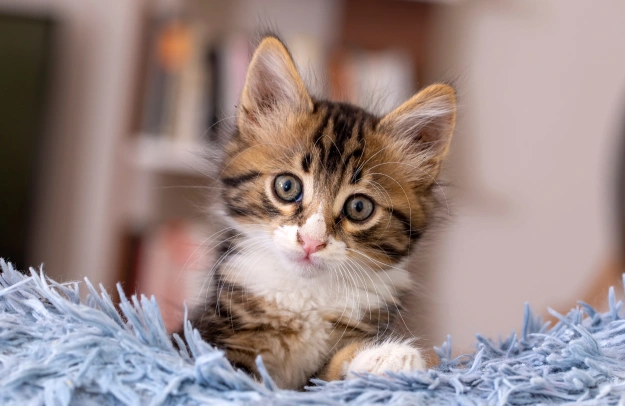
A Complete Guide for New Pet Parents
Welcoming a new kitten into your home is exciting and joyful. However, it also comes with a lot of responsibility to ensure your kitten grows up healthy and happy. At Cainhoy Veterinary Hospital, we provide proficient kitten care in Charleston and guide you through the essential steps to help your furry friend live a long, healthy life. Our team is dedicated to giving your kitten the best possible care right from the start, ensuring they thrive as a well-adjusted adult cat.
Why is Proper Kitten Care Important for Your Cat’s Health?
Proper kitten care lays the foundation for a healthy and well-adjusted adult cat. The first few months of your kitten's life are crucial for their physical and emotional development. Good care ensures they grow up strong, healthy, and free from common health problems. Consistent care, including early veterinary visits, appropriate nutrition, and early socialization, is key to helping your kitten avoid potential health issues and develop into a loving companion. By providing proper kitten care, you’re setting your cat up for a lifetime of happiness and health.
Why Start Kitten Care as Soon as Possible?
Starting kitten care as soon as possible is crucial for their development. Between 8 and 20 weeks of age, kittens are at a critical developmental stage and are most receptive to training and learning. Early socialization, exposure to new environments, and positive interactions with humans and other pets can help shape their personality and ensure they grow into friendly, well-behaved adults. By starting proper care early, you can prevent behavior problems and strengthen the bond between you and your new feline friend.
When Should I Bring My Kitten to the Vet for Their First Exam?
It is important to bring your kitten to the vet within its first week at home. The initial exam helps ensure your kitten is healthy and free from any common health issues. At Cainhoy Veterinary Hospital, our kitten care in Charleston includes comprehensive exams to detect signs of illness or congenital issues. During this visit, we will also discuss vaccinations, parasite control, and the best feeding practices for your kitten. Your vet will also provide essential information on proper methods of caring for your feline as a new pet parent.
Common Health Problems in Kittens
Kittens are susceptible to a variety of health issues, especially in the first few months of life. Some common problems include:
- Parasites: Fleas, ticks, and worms can cause significant health issues for your kitten.
- Upper Respiratory Infections: Kittens are prone to colds and other respiratory infections, especially if they haven’t been vaccinated.
- Skin Problems: Itchy, inflamed skin can be a sign of allergies, infections, or parasites.
- Ear Infections: Kittens with floppy ears are especially prone to ear infections.
- Diarrhea and Vomiting: Digestive issues can arise from improper diet, stress, or infections.
Recognizing the Signs of Illness in Kittens
Kittens can be good at hiding signs of illness, but as a pet parent, it’s important to recognize the symptoms of common health problems. Keep an eye out for:
- Loss of appetite: If your kitten stops eating, it could be a sign of illness.
- Lethargy: If your kitten seems overly tired or less active than usual, it may be sick.
- Vomiting and Diarrhea: These can indicate infections or other gastrointestinal problems.
- Behavioral Changes: If your kitten becomes unusually irritable or withdrawn, it may be feeling unwell.
- Excessive thirst or urination: These can be signs of dehydration or other health problems.
What Are the Signs of a Healthy Kitten?
A healthy kitten will show several clear signs of good health, including:
- Shiny coat: A well-groomed and shiny coat is an indicator of good health.
- Bright, clear eyes: Healthy kittens have bright eyes with no discharge or redness.
- Normal appetite and weight gain: Healthy kittens should eat well and gain weight steadily.
- Playful and energetic behavior: Healthy kittens are playful and curious, enjoying exploring their environment.
These signs of health mean that your kitten is thriving, and regular check-ups with the vet will help maintain this good health.
When Should I Begin Training My Kitten?
Training should begin as soon as your kitten enters your home. Start with basic commands such as “sit,” “stay,” and “come.” Kittens also need socialization with people, other pets, and different environments to grow into well-adjusted adults. Early training and exposure to positive experiences can help prevent behavioral issues later in life. Keep training sessions short (5-10 minutes) and use positive reinforcement to encourage your kitten. This approach will ensure a fun and successful training process for both you and your kitten.
What Will the Vet Be Looking for During a Kitten’s First Exam?
During your kitten’s first exam, your vet will perform a thorough physical check-up that includes examining your kitten’s eyes, ears, mouth, and teeth, as well as checking their heart, lungs, and joints for abnormalities. The vet will also assess their overall body condition and discuss vaccinations, deworming, and flea control. Your veterinarian may recommend some preventative treatments, including vaccinations, and will provide you with advice tailored to your kitten’s specific needs.
Ensure Your Kitten’s Health and Happiness for Years to Come
Providing proper kitten care from day one is the key to a healthy and fulfilling life for your kitten. At Cainhoy Veterinary Hospital, we’re here to support you every step of the way, ensuring your kitten grows up to be a happy, healthy, and well-adjusted adult cat. For effective kitten care in Charleston, contact us today to schedule your kitten’s first exam or to learn more about our services.