710 Hopewell Drive, Suite 102, Charleston, SC 29492


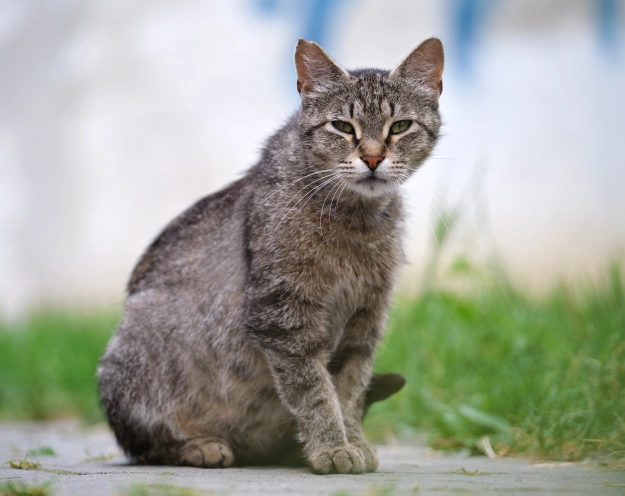
Specialized Veterinary Care for Your Senior Cat’s Health
As cats age, they go through changes that require specialized care to maintain their health and happiness. Older cats are more likely to develop health problems such as arthritis, kidney issues, and dental problems. Regular vet visits, a good diet, and early treatment are important for helping your cat live a happy senior life. At Cainhoy Veterinary Hospital, we offer tailored senior cat care in Charleston to help manage these changes and improve your cat’s quality of life.
Understanding the Importance of Senior Cat Care
Senior cats need more than just regular vet check-ups; they require a dedicated approach to maintain their health. Aging cat care includes early detection of diseases, maintaining a healthy weight, and managing their physical and emotional needs. Proper care helps prevent illness, reduce discomfort, and improve longevity and well-being.
How Senior Cat Care Helps Maintain Their Quality of Life
Aging cats are often more vulnerable to chronic conditions that can be managed with the right care plan. By focusing on wellness checks, appropriate treatments, and preventive care, you can minimize the effects of these conditions and ensure your cat remains comfortable and happy. Proactive aging cat care helps manage pain, improve mobility, and optimize overall health.
Common Health Issues in Senior Cats
Senior cats are more likely to develop a variety of health conditions. Some of the most common issues include:
- Kidney Disease: A common concern for older cats that can lead to loss of appetite, increased thirst, and weight loss.
- Hyperthyroidism: An overactive thyroid that can cause weight loss, excessive thirst, and restlessness.
- Dental Disease: Senior cats are more prone to dental issues like gum disease, tooth decay, and bad breath.
- Arthritis: Cats often develop arthritis, which can lead to decreased mobility, stiffness, and pain.
- Cancer: Senior cats are at an increased risk of developing tumors and other cancers.
Regular Vet Check-Ups Are Essential for Senior Cats
Annual check-ups become even more crucial as your cat ages. Regular vet visits allow for early detection of potential health issues and ensure that your cat’s age-related changes are monitored effectively. During these visits, the vet will perform a thorough examination and recommend any necessary treatments or medications.
Specialized Diets for Senior Cats
As cats age, their nutritional needs change. Senior cats often benefit from specially formulated diets that provide the right balance of protein, fat, and fiber, which help support healthy kidney function, maintain muscle mass, and manage weight. The vet can recommend the best food for your senior cat’s age, weight, and health condition.
Managing Arthritis in Senior Cats
Arthritis is common in older cats, especially those who were previously active. Symptoms can include difficulty jumping, stiffness, and reluctance to move. Managing arthritis involves pain relief, weight management, and gentle exercise. The vet may recommend joint supplements, pain relievers, or other treatments to improve your cat’s mobility and comfort.
Dental Health for Senior Cats
Dental disease is one of the most common health issues in senior cats. As cats age, plaque and tartar can build up, leading to gum disease, tooth decay, and infections. Regular dental exams, teeth cleanings, and proper oral care at home are essential for preventing serious dental issues in senior cats.
Monitoring Kidney Function in Older Cats
Kidney disease is prevalent in senior cats and can be managed if detected early. Symptoms of kidney disease include increased thirst, frequent urination, and weight loss. Regular blood tests and urine analysis help track kidney function and catch any abnormalities before they become severe. Treatment options like dietary changes, fluid therapy, and medications can help manage the disease.
Pain Management for Senior Cats
Senior cats often experience pain, especially from conditions such as arthritis or dental problems. Pain management is a key part of caring for your aging cat, as it helps improve your cat’s quality of life. The vet can recommend medications, supplements, and other therapies to reduce pain and keep your cat comfortable.
Providing Mental Stimulation for Senior Cats
Cognitive decline is a possibility for aging cats, but mental stimulation can help delay these changes. Puzzle toys, interactive games, and spending quality time with your cat are excellent ways to engage their mind. Keeping your cat mentally active can help maintain their cognitive function and emotional health.
Grooming Your Senior Cat
As cats age, they may not groom themselves as effectively. Regular grooming is important for maintaining a healthy coat and skin. Brushing your cat’s fur helps remove loose hair, prevent matting, and reduce the risk of skin infections. It’s also a good time to check for any lumps, bumps, or changes in their skin.
Comfortable Sleeping Spaces for Senior Cats
Older cats often experience joint pain, so providing them with a comfortable, supportive bed is crucial. Look for beds that offer extra cushioning to alleviate pressure on their joints. Place their bed in a quiet, warm area where they can rest undisturbed.
When to Consider Euthanasia for a Senior Cat
Deciding to euthanize a senior cat is never easy, but it may be necessary when their suffering becomes too great. If your cat has a terminal illness, is in constant pain, or has lost their ability to enjoy their favorite activities, euthanasia may be the most humane option. Talk to the vet about your cat’s quality of life and explore all options before making this decision.
Ensuring a Comfortable Life for Your Senior Cat
Taking care of a senior cat requires dedication and attention to their changing health needs. If you’re looking for senior cat care in Charleston, contact Cainhoy Veterinary Hospital today for regular check-ups, managing pain, offering proper nutrition, and ensuring your senior cat lives a happy, fulfilling life.