710 Hopewell Drive, Suite 102, Charleston, SC 29492


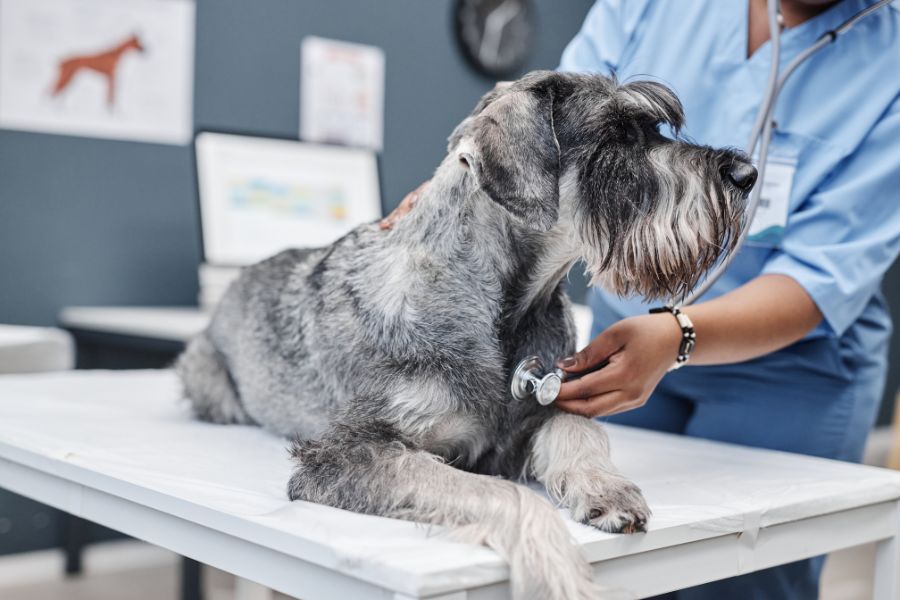
Bringing home a new pet is exciting, but it also comes with important responsibilities, especially when it comes to healthcare. One of the first and most important steps for new pet parents is finding a reliable veterinarian who can support your pet’s health from day one. This first-time pet owner checklist will help you understand what to look for, how to evaluate your options, and when to schedule your pet’s first visit.
In this guide, you will learn how to choose the right veterinarian, what questions to ask, and how to build a long-term relationship that keeps your pet healthy and happy.
Why Choosing the Right Veterinarian Matters
Selecting the right veterinarian is one of the most important decisions you will make as a pet owner. Your veterinarian will play a major role in your pet’s health, from preventive care to emergency treatment.
A good veterinary clinic provides:
- Preventive care and wellness exams
- Vaccinations and parasite prevention
- Nutritional guidance
- Dental care
- Emergency support
- Behavioral advice
Building a long-term relationship with your veterinarian helps ensure your pet receives consistent and personalized care. This also helps detect health issues early, which can save time, stress, and money.
When Should You Find a Veterinarian
Ideally, you should find a veterinarian before bringing your pet home. This ensures you are prepared if your new pet needs immediate care.
Schedule your first visit:
- Within the first 3 to 7 days of bringing your pet home
- Immediately, if your pet shows signs of illness
- Before introducing your pet to other animals
Early visits help establish a health baseline and allow your veterinarian to create a preventive care plan.
What to Look for in a Veterinarian
Finding the right veterinarian near you involves more than just searching online. Here are the key factors to consider.
Experience and Qualifications
Look for a veterinarian who has experience treating your type of pet. Dogs, cats, and exotic pets often require different expertise.
Check for:
- Veterinary degree and licensing
- Years of experience
- Special interests such as surgery or dermatology
- Continuing education and training
An experienced veterinarian can better handle both routine care and unexpected health issues.
Services Offered
A full-service veterinary clinic makes pet care more convenient. Look for clinics that offer:
- Wellness exams
- Vaccinations
- Dental care
- Surgery
- Diagnostics such as X-rays and lab testing
- Emergency care or referrals
Having multiple services in one place saves time and helps maintain consistent care.
Location and Accessibility
Choose a veterinarian located close to your home. This is especially important during emergencies.
Consider:
- Driving distance
- Parking availability
- Office hours
- Weekend or evening appointments
Convenience makes it easier to keep up with routine visits and follow-ups.
Clean and Comfortable Environment
When visiting a clinic, observe the environment. A clean, organized clinic reflects professionalism and attention to detail.
Look for:
- Clean waiting areas
- Friendly staff
- Calm environment
- Organized exam rooms
A welcoming environment also helps reduce stress for both pets and owners.
Questions First-Time Pet Owners Should Ask
Before choosing a veterinarian, ask a few important questions to make an informed decision.
Here are some helpful questions:
- What vaccinations does my pet need?
- How often should my pet have checkups?
- What preventive care do you recommend?
- Do you offer emergency services?
- What payment options are available?
These questions help you understand the clinic’s approach and ensure it aligns with your expectations.
Understanding Your Pet’s First Veterinary Visit
Your pet’s first visit to a veterinarian is an important milestone. During this appointment, your veterinarian will assess your pet’s overall health.
A typical first visit includes:
- Physical examination
- Weight check
- Vaccination discussion
- Parasite screening
- Diet and nutrition guidance
- Behavior advice
This visit also gives you a chance to discuss concerns and ask questions about your pet’s care.
Preventive Care: The Foundation of Pet Health
Preventive care is one of the most valuable services your veterinarian provides. Regular visits help detect problems early and keep your pet healthy.
Preventive care may include:
- Annual wellness exams
- Vaccinations
- Parasite prevention
- Dental checkups
- Nutrition planning
Consistent preventive care can extend your pet’s life and improve their quality of life.
Emergency Care Considerations
Emergencies can happen at any time, so it is important to choose a veterinarian near you who offers emergency support or referrals.
Ask about:
- After-hours care
- Emergency contacts
- Nearby emergency hospitals
- Urgent care availability
Knowing where to go during an emergency can save valuable time.
Reading Reviews and Recommendations
Online reviews and recommendations can help you find a trustworthy veterinarian. Look for patterns in feedback rather than focusing on one review.
Pay attention to:
- Customer service
- Wait times
- Quality of care
- Communication
You can also ask friends, neighbors, or local pet groups for recommendations.
Building a Long-Term Relationship With Your Veterinarian
Once you choose a veterinarian, focus on building a strong relationship. This improves communication and ensures consistent care.
Tips for building trust:
- Schedule regular visits
- Follow treatment recommendations
- Ask questions
- Share your pet’s history
- Stay consistent with one clinic
A strong relationship helps your veterinarian understand your pet’s unique needs.
Signs You Found the Right Veterinarian
How do you know you found the right veterinarian? Look for these signs:
- They listen to your concerns
- They explain treatment options clearly
- Staff are friendly and helpful
- Your pet feels comfortable
- You feel confident in their care
Trust and communication are key factors in choosing the right veterinary partner.
Common Mistakes First-Time Pet Owners Should Avoid
Avoid these common mistakes when choosing a veterinarian:
- Waiting until an emergency occurs
- Choosing based only on price
- Ignoring clinic cleanliness
- Not asking questions
- Skipping preventive visits
Avoiding these mistakes helps ensure your pet receives quality care from the beginning.
Preparing for Your First Veterinary Appointment
Before visiting your veterinarian, prepare the following:
- Previous medical records, if available
- Adoption paperwork
- List of questions
- Food brand and feeding schedule
- Any observed symptoms
Preparation helps your visit go smoothly and ensures nothing important is missed.
Finding the right veterinarian is one of the most important steps for first-time pet owners. From preventive care to emergencies, your veterinarian becomes your partner in keeping your pet healthy. Take time to research, ask questions, and choose a clinic that makes you feel comfortable and confident.
If you are looking for compassionate and reliable pet care in Charleston or in surrounding areas like Charleston, Huger, Mount Pleasant, Wando, North Charleston, schedule your pet’s first visit with Cainhoy Veterinary Hospital in Charleston, SC, today and give your pet the healthy start they deserve.
FAQs
1. When should I take my new pet to a veterinarian?
Ans: You should schedule your pet’s first veterinary visit within 3 to 7 days after bringing them home. Early visits help establish a health baseline.
2. How often should my pet visit a veterinarian?
Ans: Most pets should visit a veterinarian at least once a year for wellness exams. Puppies, kittens, and senior pets may need more frequent visits.
3. What should I bring to my pet’s first vet visit?
Ans: Bring adoption records, vaccination history, a list of questions, and information about your pet’s diet and behavior.
4. How do I know if a veterinarian is right for my pet?
Ans: A good veterinarian listens to your concerns, explains clearly, and makes both you and your pet feel comfortable.
5. Why is preventive care important for pets?
Ans: Preventive care helps detect health issues early, maintain vaccinations, and keep your pet healthy long term.