710 Hopewell Drive, Suite 102, Charleston, SC 29492


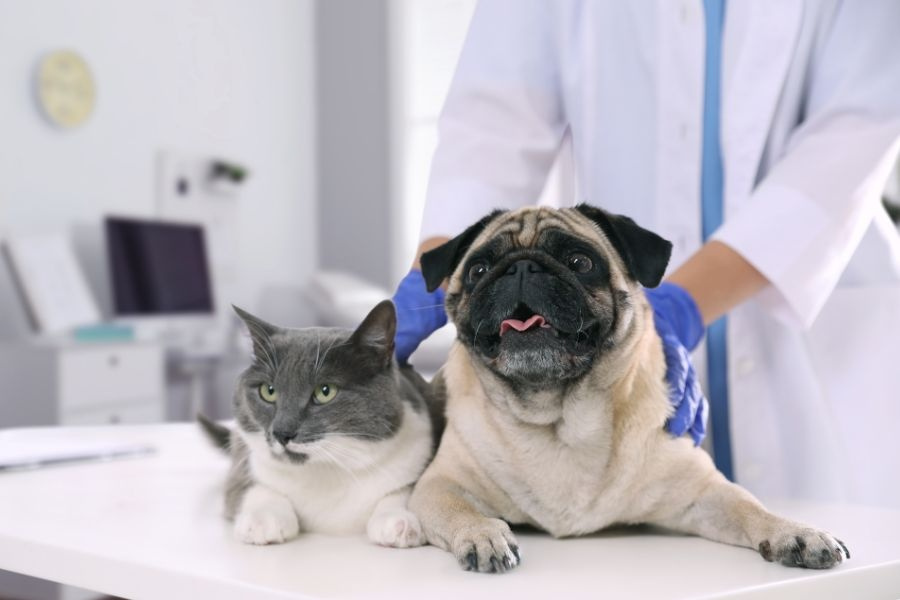
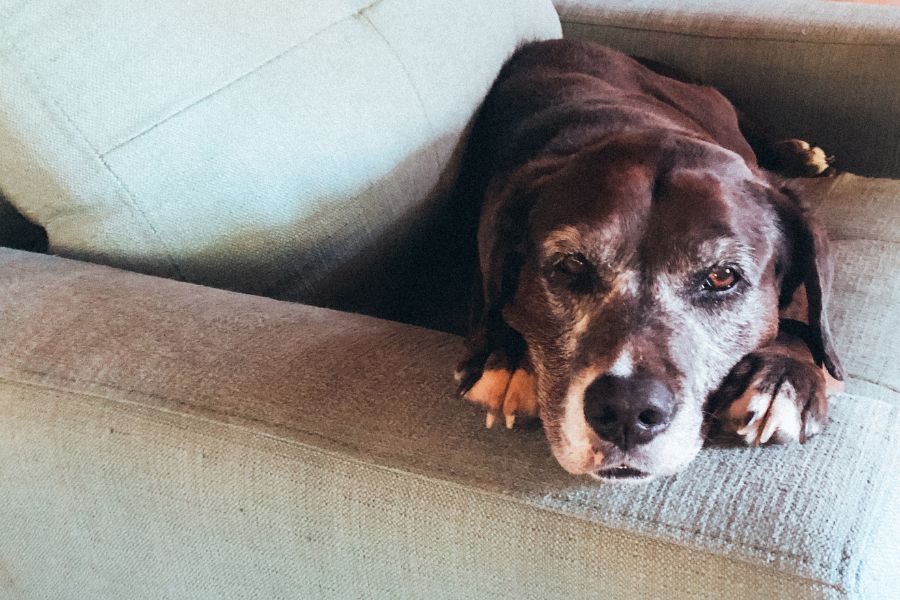
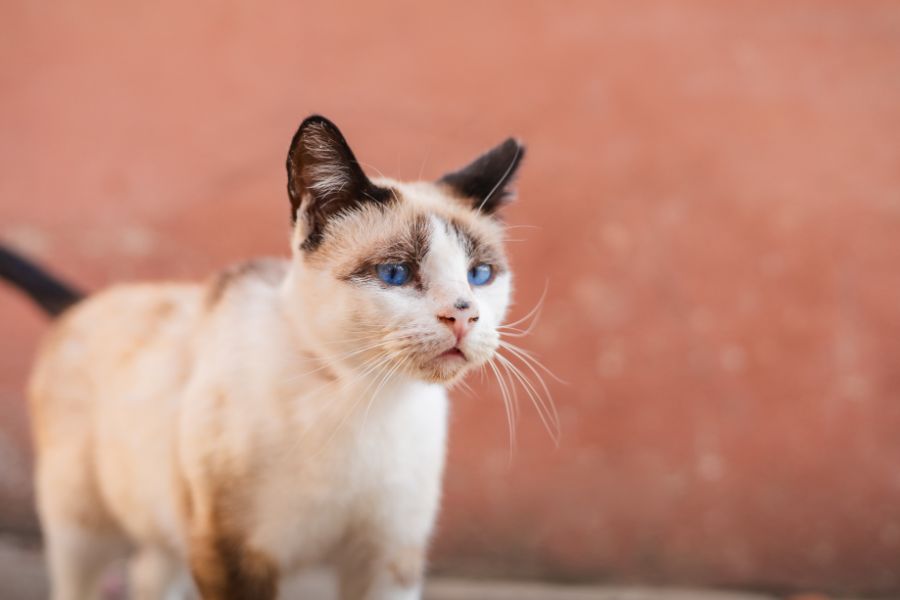
You may have noticed your dog moving a little slower on morning walks, or your cat spending more time sleeping in quiet corners. These subtle shifts can be easy to chalk up to “just getting older,” but for senior dogs and cats, changes in behavior and energy are often the first signs of underlying health conditions that deserve a closer look. At Cainhoy Veterinary Hospital in Charleston, SC, the team works with aging pets every day, helping families understand what their companions are going through and what can be done about it. This article walks through the most common conditions that affect older pets, how vets screen for them, and why early detection makes such a meaningful difference.
Why Age Changes Everything for Pets?
Just like people, dogs and cats experience significant shifts in their bodies as they get older. Most veterinarians consider a dog to be a senior around age seven, though larger breeds tend to age faster. Cats are generally considered seniors at ten years and older.
The challenge is that pets are naturally wired to hide discomfort. A cat that is dealing with joint pain may simply stop jumping onto the couch without any obvious crying or limping. A dog with early kidney disease may drink more water, which is easy to miss if you are not watching closely.
This is why routine wellness exams for senior dogs and cats are so important. They give your vet a window into what is happening inside the body before problems become harder to manage.
Most Common Health Conditions in Older Dogs and Cats
Several conditions tend to show up with much greater frequency once pets reach their senior years. Understanding them helps you know what to watch for at home.
Arthritis and Joint Disease
Osteoarthritis is one of the most widespread conditions affecting aging dogs and cats. It causes chronic joint inflammation, stiffness, and pain. Many pet owners do not realize their pet has arthritis until it has progressed significantly, because animals adapt their movements gradually rather than displaying obvious distress.
Kidney (Renal) Disease
Chronic kidney disease is especially common in older cats and is one of the leading causes of death in felines over twelve. The kidneys gradually lose their ability to filter waste from the bloodstream. Early stages often go unnoticed without blood and urine testing, since many cats do not show outward symptoms until kidney function has already declined significantly.
Dental Disease
By age three, most pets already have some degree of dental disease, and by senior years, it is nearly universal. Left untreated, dental infections can spread bacteria into the bloodstream and affect the heart, kidneys, and liver. Regular dental exams and cleanings are a core part of senior pet care.
Hyperthyroidism in Cats
The thyroid gland sometimes becomes overactive in older cats, producing too much thyroid hormone. This speeds up metabolism and can cause weight loss, increased appetite, vomiting, and restlessness. It is highly treatable once diagnosed, but it requires a blood test to catch.
Heart Disease
Cardiac conditions, including congestive heart failure and heart valve disease, are common in senior dogs. A veterinarian can often detect early signs of heart disease by listening for a murmur during a routine exam, making regular checkups especially valuable.
Cognitive Dysfunction Syndrome
Sometimes called doggy dementia or feline cognitive dysfunction, this condition affects memory, awareness, and behavior in older pets. Signs include disorientation, changes in sleep patterns, accidents in the house, and reduced interaction with family members.
Diabetes
Both dogs and cats can develop diabetes as they age, particularly if they are overweight or have had a history of pancreatic inflammation. Increased thirst, frequent urination, weight loss despite a good appetite, and lethargy are all signs worth bringing to your vet.
Signs to Watch for at Home
You spend more time with your pet than anyone. That makes you an important part of early detection. Here are some changes worth noting and discussing with your veterinarian:
• Increased thirst or urination
• Unexplained weight loss or gain
• Difficulty getting up, stiffness, or reluctance to use stairs
• Changes in appetite, either eating less or significantly more
• Bad breath, drooling, or pawing at the mouth
• Coughing, labored breathing, or tiring quickly during light activity
• Confusion, pacing, or unusual behavior at night
• Changes in coat quality, lumps, or new skin growths
None of these symptoms alone confirms a diagnosis, but they are worth taking seriously. A senior wellness exam can help clarify what is going on.
How Vets Screen Senior Pets: What to Expect?
A senior wellness exam goes well beyond a basic checkup. When vets work with senior dogs and cats, they are building a detailed picture of the animal’s overall health, often combining a physical examination with diagnostics that check what cannot be seen from the outside.
Here is what a thorough senior screening typically includes:
• Complete Blood Count (CBC): Checks red and white blood cells and platelets to screen for anemia, infection, or immune issues.
• Blood Chemistry Panel: Evaluates liver and kidney function, blood sugar levels, electrolytes, and more.
• Urinalysis: Assesses kidney concentrating ability and screens for infection, crystals, or early signs of disease.
• Thyroid Testing: Especially important for cats over ten years old, as hyperthyroidism is easy to miss without it.
• Blood Pressure Measurement: High blood pressure is common in senior cats and can damage the eyes, kidneys, and heart silently.
• Dental Evaluation: A close look at the teeth and gums to assess for infection, bone loss, or the need for a professional cleaning.
• Joint and Mobility Assessment: Checking range of motion, muscle mass, and signs of discomfort during movement.
• Imaging as Needed: X-rays or ultrasound may be recommended to evaluate the chest, abdomen, or specific joints.
The goal of these screenings is not just to find problems but to establish a baseline. When your vet knows what is normal for your individual pet, it becomes much easier to catch changes early in future visits.
How Often Should Senior Pets Be Seen?
Most veterinarians recommend that senior dogs and cats come in for wellness exams every six months rather than once a year. This frequency reflects how quickly an older animal’s health can shift.
Think of it this way: one year in a senior pet’s life is roughly equivalent to four to five human years. A lot can change in that time. Scheduling exams twice a year gives your vet more opportunities to catch early changes and adjust treatment plans before conditions become more complicated or costly to manage.
If your pet has already been diagnosed with a chronic condition such as kidney disease, diabetes, or heart disease, your vet may recommend even more frequent monitoring visits to keep things on track.
Why do Pet Owners Expect?
Caring for an aging pet takes more than love. It takes a veterinary team that takes the time to understand your animal’s full history and has the tools to back up that knowledge with real diagnostics.
At Cainhoy Veterinary Hospital in Charleston, SC, senior dogs and cats receive focused senior dog care and senior cat care from a team that knows aging animals well. Whether it is a first senior wellness screening or an ongoing monitoring plan for a pet already managing a chronic condition, the approach centers on clarity, compassion, and practical next steps.
Pet owners in the area often describe the experience as feeling genuinely heard, something that matters when you are trying to do right by a companion who has been with your family for years.
Preventive care does not just extend a pet’s life. It improves the quality of that life, keeping dogs moving comfortably, cats curious and engaged, and families from facing avoidable emergencies.
Conclusion
Senior pets deserve the same investment in health care that younger animals receive, if not more. The conditions that tend to emerge in older dogs and cats, from arthritis and kidney disease to hyperthyroidism and cognitive decline, are often very manageable when caught early. The key is consistent monitoring and a veterinary team that knows what to look for.
If your dog or cat is entering their senior years and has not had a recent wellness exam with bloodwork and a full screening, now is a great time to schedule one. The team at Cainhoy Veterinary Hospital in Charleston, SC, is here to help you understand what your aging companion needs and to build a care plan that makes sense for both of you. Give them a call today or visit the website to book an appointment.
Frequently Asked Questions
Q1: What age is considered senior for dogs and cats?
Ans: Most dogs are considered senior around age seven, though larger breeds may reach that threshold a little earlier. Cats are generally classified as senior at ten years old. Your veterinarian can help determine where your individual pet falls based on breed, size, and current health status.
Q2: What are the early warning signs of kidney disease in older cats?
Ans: Early kidney disease in cats is often silent, which is why bloodwork and urinalysis are so valuable for senior pet wellness exams. As the condition progresses, you may notice increased thirst, more frequent urination, weight loss, reduced appetite, and occasional vomiting. Catching it early through lab testing gives the most options for management.
Q3: How often should senior dogs and cats have vet checkups?
Ans: Veterinarians typically recommend wellness exams every six months for senior dogs and cats. Because pets age faster than humans, a lot can change in a short window of time. More frequent visits also help establish a baseline, making it easier to detect shifts in health from one visit to the next.
Q4: How much does a senior pet wellness screening typically cost?
Ans: Costs vary depending on what diagnostics are included and your location, but a senior wellness visit with bloodwork, urinalysis, and a full physical exam generally runs more than a standard annual checkup. Many clinics offer senior wellness packages that bundle key screenings at a more manageable price. It is worth calling your veterinary clinic directly to ask what is included and whether any packages are available.
Q5: When should I take my senior pet to the vet right away rather than waiting for a scheduled exam?
Ans: Seek prompt veterinary care if your senior pet stops eating for more than a day, collapses or has trouble standing, is breathing rapidly or with difficulty, shows sudden disorientation or seizures, or develops significant swelling anywhere on the body. These can be signs of urgent conditions that need same-day evaluation. When in doubt, it is always better to call your vet and describe what you are seeing rather than waiting.