710 Hopewell Drive, Suite 102, Charleston, SC 29492


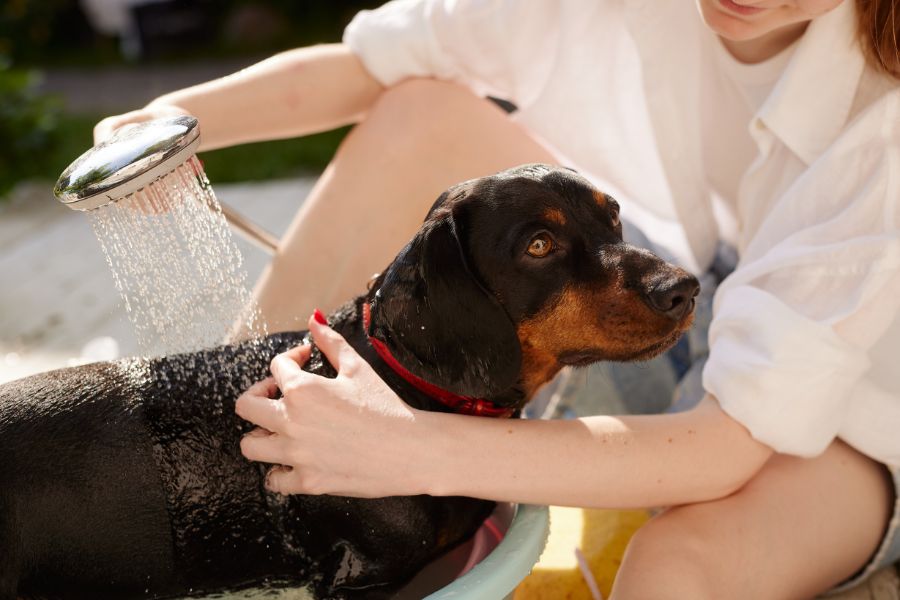
Summer in South Carolina brings sunshine, beach days, and outdoor adventures with your dog. But hot pavement can quickly turn a simple walk into a painful experience for your pet. Asphalt, concrete, and even sand can reach dangerous temperatures that may burn your dog’s paw pads within minutes.
In this guide, you’ll learn how hot pavement affects your dog’s paws, warning signs of burns, safe walking practices, and simple ways to protect your pet during the hottest months. Understanding these risks can help keep your dog comfortable, healthy, and active all summer long.
Why Is Hot Pavement Dangerous for Dogs?
A dog’s paw pads are tough, but they are not immune to heat damage. During summer, pavement temperatures often become much hotter than the surrounding air.
For example:
- When the air temperature is 85°F, asphalt can exceed 130°F
- Dark pavement absorbs and holds heat throughout the day
- Concrete sidewalks can stay hot well into the evening
At these temperatures, your dog’s paw pads can burn in less than a minute. Puppies, senior dogs, and pets with sensitive skin may be at even greater risk.
How to Tell if Pavement Is Too Hot?
One of the easiest ways to test pavement safety is the “seven-second rule.”
Place the back of your hand on the pavement for seven seconds:
- If it feels too hot for your hand, it is too hot for your dog’s paws
- If you cannot comfortably hold your hand there, avoid walking your dog on that surface
This quick test can help prevent painful injuries before they happen.
Signs Your Dog May Have Burned Paw Pads
Burned paws can range from mild irritation to severe tissue damage. Watch for these symptoms after outdoor walks:
Common Signs of Paw Burns
- Limping or refusing to walk
- Excessive licking or chewing at the paws
- Darkened or discolored paw pads
- Redness or swelling
- Blisters or peeling skin
- Cracked paw pads
- Whining or signs of discomfort
Some dogs may continue walking despite pain, so it’s important to check their paws regularly during hot weather.
Best Times to Walk Your Dog During Summer
Timing your walks carefully is one of the easiest ways to prevent pavement burns.
Safer Walking Times
- Early morning before 10 a.m.
- Late evening after sunset
- Shaded areas with grass or dirt trails
Avoid midday walks when pavement temperatures are highest. Even short walks around the neighborhood can expose your dog to dangerous heat.
Surfaces That Can Burn Your Dog’s Paws
Many pet owners only think about asphalt, but several outdoor surfaces can become dangerously hot.
High-Risk Surfaces
- Asphalt roads and parking lots
- Concrete sidewalks
- Artificial turf
- Sand at the beach
- Metal surfaces like ramps or truck beds
Grass is usually much cooler and safer for summer walks.
How to Protect Your Dog’s Paws in Hot Weather?
Preventing burns is much easier than treating them. A few simple habits can make summer outings safer and more comfortable.
Use Protective Dog Booties
Dog booties create a barrier between your pet’s paws and hot surfaces. Look for:
- Breathable materials
- Non-slip soles
- Proper fit to prevent rubbing
Some dogs need time to adjust to wearing them, so practice indoors first.
Apply Paw Balm
Paw balms and moisturizers help keep paw pads healthy and less likely to crack. While they do not fully prevent burns, they can improve skin resilience.
Walk on Grass Whenever Possible
Choose grassy parks, shaded trails, or dirt paths instead of sidewalks and asphalt roads.
Carry Water During Walks
Hot pavement often means hot temperatures overall. Bring fresh water and take breaks in shaded areas to help prevent overheating.
Limit Outdoor Exercise
Shorter walks may be safer during heat waves. Indoor play, puzzle toys, and training sessions can help your dog stay active without heat exposure.
What to Do if Your Dog Burns Their Paws?
If you suspect your dog has burned paw pads, act quickly.
Immediate First Aid Steps
- Move your dog to a cool surface immediately
- Rinse paws gently with cool water
- Avoid using ice directly on the burns
- Prevent licking by using a cone if needed
- Contact your veterinarian for guidance
Do not apply human creams or ointments unless directed by a veterinarian. Some products may worsen irritation or be toxic if licked.
When Paw Burns Require Veterinary Care?
Minor irritation may heal with rest, but serious burns need professional treatment.
Seek Veterinary Care If You Notice
- Blisters or open wounds
- Bleeding paw pads
- Severe limping
- Signs of infection
- Persistent pain after cooling the paws
- Refusal to walk
Deep burns can become infected and may require medications, bandaging, or pain management.
Summer Heat Safety Beyond Paw Protection
Hot pavement is only one summer risk for dogs. High temperatures can also lead to heat exhaustion or heatstroke.
Additional Warm Weather Safety Tips
- Never leave your dog in a parked car
- Provide access to shade outdoors
- Keep fresh water available at all times
- Avoid intense exercise during peak heat
- Watch flat-faced breeds carefully, as they overheat faster
Dogs cool themselves differently than humans, so heat can become dangerous quickly.
Breeds More Sensitive to Hot Pavement
Some dogs are more vulnerable to heat-related injuries than others.
Higher-Risk Dogs Include
- Puppies
- Senior dogs
- Brachycephalic breeds like Bulldogs and Pugs
- Dogs with thin or sensitive paw pads
- Overweight pets
- Dogs with mobility issues
These pets may benefit from extra precautions during summer outings.
Indoor Activities for Extremely Hot Days
When temperatures become unsafe, indoor activities can help your dog stay mentally and physically stimulated.
Fun Indoor Ideas
- Treat puzzle toys
- Hide-and-seek games
- Indoor obedience training
- Tug-of-war
- Scent games
- Short indoor fetch sessions
Keeping your dog active indoors can reduce frustration while protecting them from extreme heat.
Why Paw Checks Should Be Part of Your Routine?
Regular paw inspections help you catch small problems before they become serious injuries.
After walks:
- Look for redness or cracks
- Remove debris between toes
- Check for tenderness
- Monitor for limping
Healthy paw pads are essential for your dog’s comfort and mobility year-round.
Conclusion
Hot pavement can cause painful injuries faster than many pet owners realize. By choosing cooler walking times, testing surfaces before walks, and using protective gear when needed, you can greatly reduce your dog’s risk of burned paw pads this summer.
If your pet shows signs of paw irritation or heat-related discomfort, professional veterinary care can help prevent complications and keep your dog comfortable. For expert guidance and compassionate care, contact Cainhoy Veterinary Hospital in Charleston, SC to schedule an appointment for your pet.
FAQs
Q1: How hot does pavement need to be to burn a dog’s paws?
Ans: Pavement can burn paws when surface temperatures exceed about 125°F. Even when the air temperature is only 85°F, asphalt can become dangerously hot.
Q2: Can dogs walk safely on concrete during summer?
Ans: Concrete can still become very hot during sunny days. Always test the surface first and try to walk on shaded or grassy areas whenever possible.
Q3: Are dog booties necessary in hot weather?
Ans: Dog booties are not always required, but they can provide excellent protection during hot weather walks, especially on asphalt or sand.
Q4: How long does it take for burned paw pads to heal?
Ans: Mild burns may heal within a few days, while severe burns can take several weeks and may require veterinary treatment.
Q5: What should I do if my dog starts limping after a walk?
Ans: Check your dog’s paws immediately for redness, cracks, or blisters. Cool the paws with water and contact your veterinarian if symptoms continue or worsen.