710 Hopewell Drive, Suite 102, Charleston, SC 29492


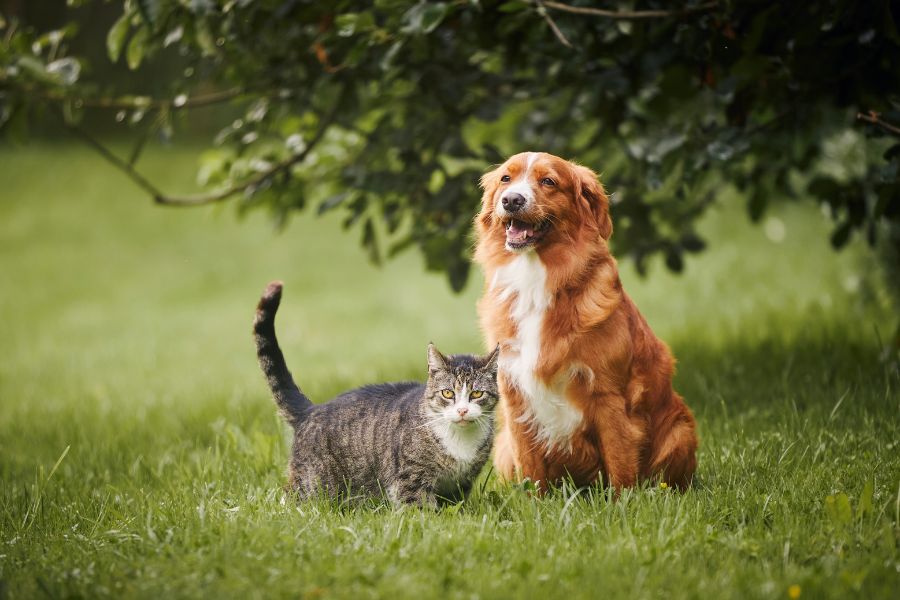
If you’ve noticed your pet repeatedly going to the litter box or asking to go outside but producing little or no urine, it’s natural to feel concerned. A pet not urinating is more than an inconvenience. In many cases, it can be a medical emergency that requires immediate attention. A blocked urinary tract or severe urinary problem can quickly lead to pain, kidney damage, and life-threatening complications if left untreated. This guide explains why pets stop urinating, what warning signs to watch for, how veterinarians diagnose and treat these cases, and when urgent veterinary care is essential.
Pet Not Urinating: When Is It an Issue of Concern
A pet that cannot urinate normally should be evaluated by a veterinarian as soon as possible. Complete inability to pass urine is always considered an emergency, especially in male cats, where urinary blockages are relatively common. Urine carries waste products and extra minerals out of the body. If urine cannot leave the bladder, those waste products begin building up in the bloodstream while the bladder continues to stretch. Think of the bladder like a water balloon connected to a garden hose. If the hose becomes blocked but water keeps flowing into the balloon, pressure keeps increasing until serious damage can occur.
| Question | Easy Scientific Explanation |
| Why is urination important? | It removes waste products and excess water from the body. |
| What happens if urine cannot leave? | Waste builds up while pressure increases inside the bladder. |
| Why is a blockage dangerous? | It can damage the bladder, kidneys, and other organs. |
| Can my pet still feel normal at first? | Yes. Early symptoms are sometimes subtle. |
| Is this an emergency? | Yes. Complete inability to urinate requires immediate veterinary care. |
Prompt treatment greatly improves the chances of recovery.
What Causes a Pet to Stop Urinating
Several different medical conditions can prevent normal urination.
Common causes include:
- Urinary tract blockage
- Bladder stones
- Urinary crystals
- Severe urinary tract inflammation
- Kidney disease
- Bladder injury
- Neurological disorders
- Tumors affecting the urinary tract
- Trauma
Easy Scientific Explanation
Urine normally travels from the kidneys to the bladder and then exits through the urethra.
If that pathway becomes blocked, urine has nowhere to go.
Imagine placing your thumb over the end of a garden hose. Water pressure builds behind the blockage because it cannot escape.
| Cause | How It Prevents Urination |
| Urinary stones | Physically block urine flow |
| Crystals | Form plugs inside the urethra |
| Inflammation | Narrows the urinary passage |
| Injury | Prevents normal bladder function |
| Kidney disease | May reduce urine production |
Different causes require different treatments, making an accurate diagnosis important.
Signs and Symptoms to Watch For
Pets rarely stop urinating without showing other warning signs.
Watch for:
- Frequent attempts to urinate
- Producing only a few drops
- No urine at all
- Crying while trying to urinate
- Restlessness
- Licking the urinary opening
- Blood in the urine
- Vomiting
- Loss of appetite
- Weakness
- Hiding
- Abdominal discomfort
As the condition worsens, toxins begin building up in the bloodstream.
Easy Scientific Explanation
Normally, the kidneys filter waste into urine.
When urine cannot leave the body, those waste products remain in the bloodstream, affecting many organs.
| Early Signs | Advanced Signs |
| Frequent straining | Severe lethargy |
| Small urine amounts | Vomiting |
| Restlessness | Collapse |
| Increased licking | Difficulty walking |
| Mild discomfort | Abnormal heart rhythm |
Never assume your pet is simply constipated, as urinary blockages can look similar.
How Veterinarians Diagnose and Treat Urinary Emergencies
A veterinarian first determines whether your pet is producing urine, has a blockage, or has another urinary problem.
Diagnostic tests may include:
- Physical examination
- Bladder palpation
- Urinalysis
- Blood work
- X-rays
- Ultrasound
Treatment depends on the cause.
| Condition | Possible Treatment |
| Urinary blockage | Relieve the obstruction |
| Bladder stones | Removal or medical management |
| Dehydration | Intravenous fluids |
| Infection | Appropriate medication when indicated |
| Kidney disease | Supportive treatment and monitoring |
The earlier the treatment begins, the better the chance of avoiding serious complications.
Hypothetical Example
Imagine a four-year-old male cat named Jasper whose owner noticed repeated trips to the litter box with almost no urine produced. By the evening, Jasper became quiet, stopped eating, and cried whenever he tried to urinate. At the veterinary hospital, an examination confirmed a urinary blockage that required immediate treatment to relieve pressure on the bladder. After hospitalization and supportive care, Jasper recovered well, and his owner learned how to monitor for future urinary problems.
Situations like Jasper’s show why waiting until the next day can become dangerous.
What Can Pet Owners Do at Home
A pet that cannot urinate should never be treated with home remedies.
While waiting to leave for the veterinary hospital, you can:
- Keep your pet calm.
- Observe whether any urine is produced.
- Note when normal urination last occurred.
- Prevent access to additional treats or unusual foods unless instructed otherwise.
- Bring a list of current medications.
- Transport your pet safely.
Easy Scientific Explanation
No amount of drinking water can remove a physical blockage.
The problem is not the lack of water. The problem is that urine cannot leave the body.
| Do | Avoid |
| Contact your veterinarian immediately | Wait overnight to see if it improves |
| Observe urination attempts | Assume it is only constipation |
| Transport your pet promptly | Try home remedies without advice |
| Bring medical history if available | Delay care because symptoms seem mild |
Quick action can save your pet’s life.
When Should You Seek Urgent Veterinary Care
Urgent care is needed if your pet:
- Produces no urine
- Strains repeatedly
- Cries while urinating
- Has blood in the urine
- Vomits while unable to urinate
- Appears weak
- Has abdominal swelling
- Collapses
- Stops eating after urinary symptoms begin
Male cats are particularly vulnerable because their urethra is narrower, making blockages more likely.
Conclusion
A pet that cannot urinate should never be ignored. Whether the cause is a urinary blockage, bladder stone, inflammation, or another medical condition, early veterinary care can prevent severe complications and improve recovery. If your pet is repeatedly straining, producing little or no urine, or showing signs of pain, seek veterinary attention immediately. If you are searching for urgent vet care near you, then contact us at 843-971-6200 or schedule an appointment with Cainhoy Veterinary Hospital, Charleston, SC, to help your cat recover safely.
FAQs
Q1: How long can a pet go without urinating?
Ans: A pet that is unable to urinate should be examined immediately. Complete urinary blockage is considered a medical emergency and should not be monitored at home.
Q2: Why is my pet trying to urinate, but nothing comes out?
Ans: Common causes include urinary blockages, bladder stones, urinary crystals, inflammation, or severe urinary tract disease. A veterinarian can determine the exact cause.
Q3: Is a urinary blockage life-threatening?
Ans: Yes. Without treatment, waste products build up in the bloodstream, potentially causing kidney damage, heart rhythm problems, and other serious complications.
Q4: Can dogs and cats both develop urinary blockages?
Ans: Yes. Both species can develop urinary problems, although complete blockages are especially common in male cats because of their narrow urethra.
Q5: When should I seek emergency veterinary care for a pet that is not urinating?
Ans: Seek immediate care if your pet cannot urinate, strains repeatedly, cries while trying to urinate, has blood in the urine, vomits, becomes weak, or collapses.