710 Hopewell Drive, Suite 102, Charleston, SC 29492


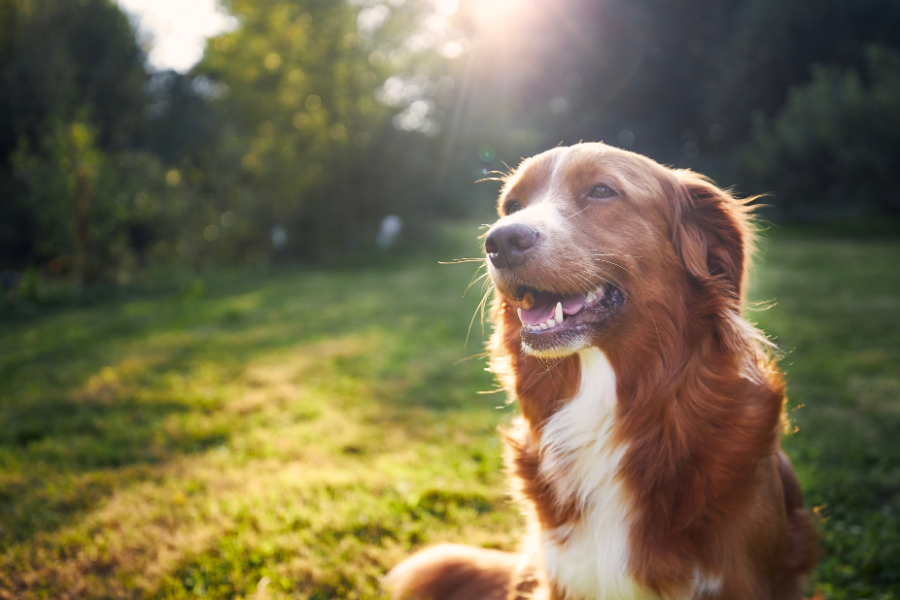
Choosing a new dog is an exciting decision, but finding one that fits your family’s lifestyle is just as important as falling in love with a cute face. If you’re searching for the best family dog breeds, you’ll likely want a companion that is friendly, intelligent, patient with children, and eager to learn. While every dog’s personality is unique, some breeds are generally known for being easier to train than others. This guide explains what makes a dog easy to train, highlights several popular family-friendly breeds, and shares practical tips to help your new companion succeed.
What Makes a Dog Easy to Train
Dogs learn through repetition, rewards, and positive experiences. Breeds that naturally enjoy working with people often respond more quickly to training because they are motivated by praise, treats, or play.
Easy-to-train dogs are not born knowing commands. Instead, they tend to focus better, enjoy learning, and repeat behaviors that earn rewards.
Think of training like learning a new language. Some students naturally pick up new words faster, but every student improves with consistent practice.
| Question | Easy Scientific Explanation |
| Why are some dogs easier to train? | Their genetics often make them more responsive to people and rewards. |
| Does breed guarantee good behavior? | No. Training, socialization, and daily practice are still essential. |
| Can older dogs learn? | Yes. Dogs of all ages can learn new behaviors with patience. |
| What motivates most dogs? | Food rewards, praise, toys, and play. |
| Does intelligence always mean easy training? | Not always. Very intelligent dogs can also become bored without enough mental stimulation. |
The best family dog is one whose energy level and personality match your household.
Qualities to Look for in a Family Dog
Every family has different needs. A dog that thrives with active children may not be the best choice for a quieter home.
Many families look for dogs that are:
- Friendly
- Patient
- Gentle
- Intelligent
- Adaptable
- Social
- Comfortable around children
- Eager to learn
Easy Scientific Explanation
Dogs have been selectively bred for different jobs over many generations.
Some breeds were developed to work closely with people, making them naturally attentive and willing to follow guidance.
| Quality | Why It Matters |
| Friendly temperament | Helps dogs enjoy family interaction |
| Trainability | Makes learning household rules easier |
| Patience | Important around children |
| Adaptability | Adjusts to different home environments |
| Confidence | Helps dogs handle new experiences calmly |
Personality is just as important as breed when choosing a lifelong companion.
Best Family Dog Breeds That Are Easy to Train
Several breeds consistently rank among the most trainable family companions.
Labrador Retriever
Known for their friendly personality and eagerness to please, Labrador Retrievers are often excellent family pets.
Golden Retriever
Golden Retrievers are gentle, intelligent, and highly responsive to positive reinforcement.
Poodle
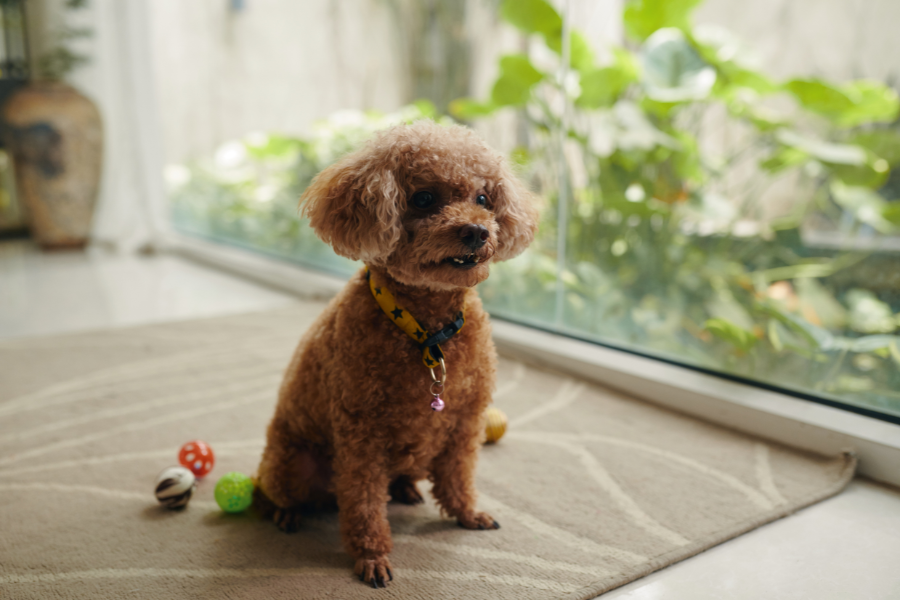
Available in Standard, Miniature, and Toy sizes, Poodles are among the most intelligent dog breeds and enjoy learning new skills.
Collie
Collies are known for their loyalty, patience, and ability to bond closely with children.
Cavalier King Charles Spaniel
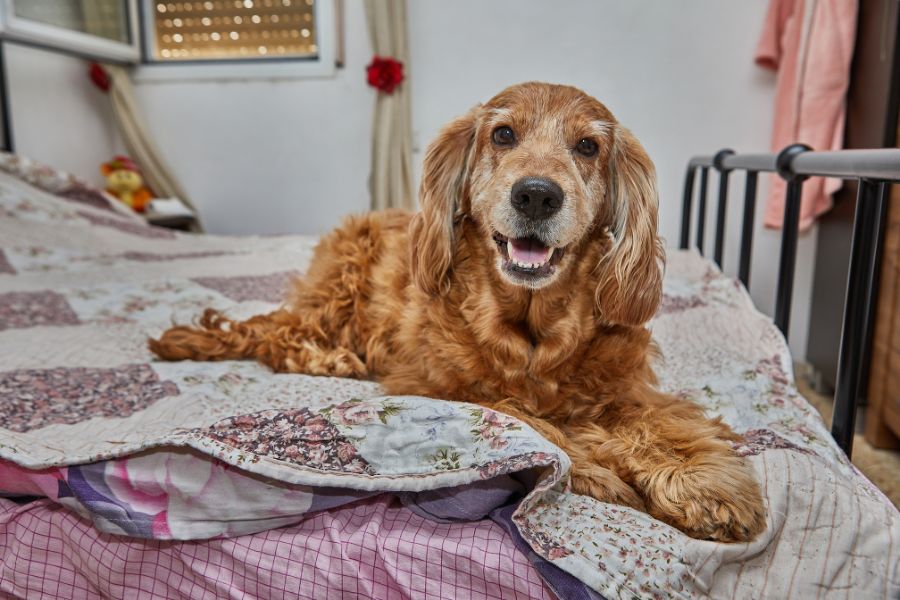
These affectionate dogs often adapt well to families looking for a smaller companion.
Boxer
Boxers are energetic, playful, and typically enjoy active households.
| Breed | Training Difficulty | Family Friendliness | Energy Level |
| Labrador Retriever | Easy | Excellent | High |
| Golden Retriever | Easy | Excellent | Moderate to High |
| Poodle | Easy | Excellent | Moderate |
| Collie | Easy | Excellent | Moderate |
| Cavalier King Charles Spaniel | Easy | Very Good | Moderate |
| Boxer | Moderate to Easy | Very Good | High |
Individual personalities will always vary, even within the same breed.
How Training Shapes a Family Dog
Training begins the day your new dog comes home.
Early lessons include:
- House training
- Name recognition
- Sit
- Stay
- Come
- Walking on a leash
- Greeting people politely
Easy Scientific Explanation
Each time your dog earns a reward after performing a behavior, the brain strengthens the connection between the action and the reward.
Over time, repeated practice helps that behavior become a habit.
| Training Activity | Benefit |
| Positive reinforcement | Encourages desired behaviors |
| Short daily sessions | Improves learning |
| Consistency | Prevents confusion |
| Early socialization | Builds confidence |
| Mental enrichment | Reduces boredom |
Dogs learn best when training remains enjoyable.
Hypothetical Example
Imagine a young Labrador Retriever named Charlie joining a family with two school-aged children. During his first few weeks, Charlie became excited whenever visitors arrived and often jumped to greet them. His family practiced short daily training sessions using treats, praise, and consistent commands. Within a few months, Charlie learned to sit calmly before greeting guests, walk politely on a leash, and respond reliably when called. Regular training and routine veterinary wellness visits helped him grow into a confident and well-mannered family companion.
Charlie’s progress demonstrates how consistent training can help even energetic puppies develop excellent manners.
Common Training Mistakes to Avoid
Even highly trainable dogs need clear guidance.
Avoid these common mistakes:
- Using inconsistent commands
- Skipping training sessions
- Punishing mistakes instead of rewarding success
- Expecting immediate results
- Ignoring exercise needs
- Allowing unwanted behaviors to continue
| Do | Avoid |
| Reward good behavior immediately | Punish after the fact |
| Practice every day | Train only occasionally |
| Keep sessions short | Train until your dog becomes frustrated |
| Be patient | Expect perfection overnight |
Consistency is often more important than lengthy training sessions.
How Veterinary Care Supports a Well-Trained Dog
Training is only one part of raising a happy family companion. Good health also plays a major role.
Pain, illness, or discomfort can affect learning, attention, and behavior.
Routine veterinary care helps:
- Monitor healthy growth
- Detect medical problems early
- Support healthy weight
- Address behavioral concerns related to health
- Promote long-term wellness
Healthy dogs generally have more energy and focus for learning new skills.
Conclusion
The best family dog breeds combine friendly personalities, intelligence, and a willingness to learn, but successful training depends just as much on patience, consistency, and positive reinforcement. Choosing a breed that matches your family’s activity level and lifestyle can make training easier and strengthen the bond you share. Regular veterinary care also helps ensure your dog remains healthy enough to learn, play, and enjoy family life. If you’re preparing to welcome a new canine companion, you can take suggestions from a veterinarian near you at Cainhoy Veterinary Hospital, Charleston, SC, which is here to support your dog’s health from puppyhood through adulthood. You can schedule an appointment to get advice regarding the best dog breeds that are easy to train.
FAQs
Q1: What is the easiest family dog to train?
Ans: Labrador Retrievers, Golden Retrievers, and Poodles are often considered among the easiest breeds to train because they are intelligent and eager to work with people.
Q2: Are small dogs harder to train than large dogs?
Ans: Not necessarily. Training success depends more on individual temperament, consistency, and positive reinforcement than on size alone.
Q3: At what age should puppy training begin?
Ans: Basic training and socialization can begin as soon as your puppy comes home. Early positive experiences help build confidence and good habits.
Q4: Can older rescue dogs still be trained?
Ans: Yes. Adult dogs are capable of learning new commands and behaviors with patience, consistency, and positive reinforcement.
Q5: How often should I train my family dog?
Ans: Short daily sessions of about 5 to 15 minutes are often more effective than occasional long sessions. Regular practice helps dogs retain new skills while keeping training enjoyable.