710 Hopewell Drive, Suite 102, Charleston, SC 29492


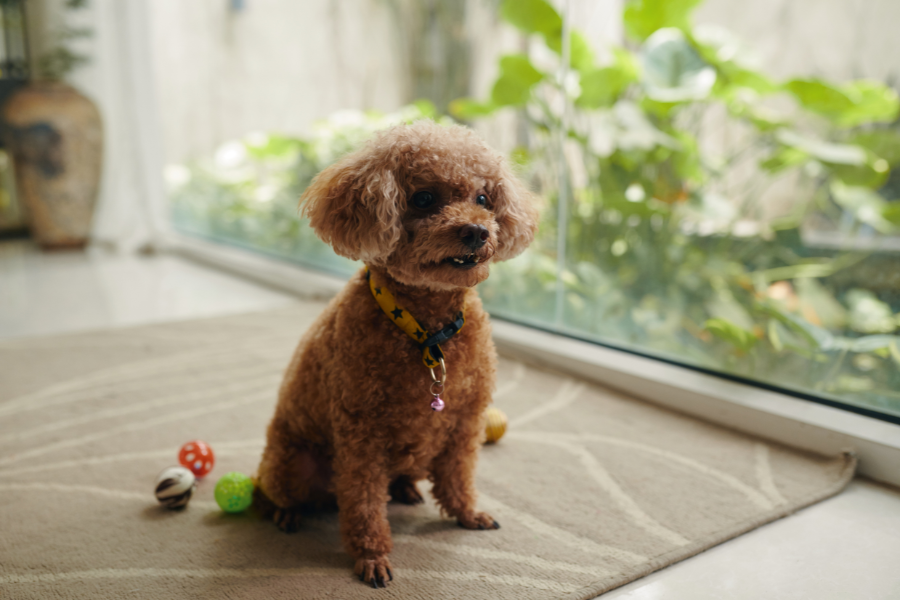
Training every dog takes patience, but some breeds can require more time, consistency, and creativity than others. A dog that seems stubborn is not necessarily difficult because it does not want to learn. Breed traits such as independence, high energy, strong prey drive, sensitivity, or a history of working without constant human direction can influence how a dog responds to training. At Cainhoy Veterinary Hospital, Charleston, SC, we know that understanding a dog’s natural tendencies can help families set realistic expectations and build better routines. This guide covers 10 dog breeds that can be challenging to train, explains why each may require extra effort, and offers practical tips for helping these dogs succeed.
Why Are Some Dog Breeds More Challenging to Train?
Some dogs learn commands quickly because they were bred to work closely with people and respond consistently to human direction. Other breeds were developed to make independent decisions, pursue prey, guard property, or work in environments where they could not constantly rely on a handler.
Common traits that can make training more challenging include:
- Independence: The dog may prefer making its own decisions.
- High energy: Long training sessions may become boring or frustrating.
- Strong prey drive: Moving animals, toys, or outdoor activity may be more interesting than a command.
- Sensitivity: Harsh corrections may cause fear or withdrawal.
- Stubbornness: Some dogs may understand a cue but choose not to respond.
- Short attention span: Repetitive training may quickly lose their interest.
Breed is only one factor. Individual personality, early socialization, previous experiences, motivation, and the owner’s training approach all matter.
1. Afghan Hound
The Afghan Hound is intelligent but independent. This breed was developed to hunt and make decisions with limited human direction, which can make traditional obedience training less straightforward.
Breed specifications:
- Size: Large
- Energy level: Moderate to high
- Training challenge: Independence and selective responsiveness
- Natural trait: Strong hunting instinct
- Best approach: Short, positive, varied sessions
An Afghan Hound may understand what you are asking but decide that something else is more interesting. Patience and rewards can make training more engaging.
2. Basenji
The Basenji is an intelligent, curious breed with an independent personality. These dogs can become bored with repetitive exercises and may not respond reliably when they are distracted.
Breed specifications:
- Size: Small to medium
- Energy level: High
- Training challenge: Independent nature and curiosity
- Natural trait: Strong exploration and hunting instincts
- Best approach: Brief sessions with engaging rewards
Training works best when the Basenji has a reason to stay interested. Repetition without variety can make this breed lose focus.
3. Siberian Husky
Siberian Huskies are energetic, intelligent, and social dogs. They were bred to work as sled dogs, often traveling long distances while relying on their own instincts and working as a team.
Breed specifications:
- Size: Medium
- Energy level: Very high
- Training challenge: Independence and distractibility
- Natural trait: Strong endurance and escape tendencies
- Best approach: Consistent training combined with plenty of exercise
A Husky that does not receive enough physical and mental activity may be much harder to focus during training.
4. Beagle
Beagles were bred to follow scents, and their powerful noses can easily become more interesting than whatever their owner is asking them to do.
Breed specifications:
- Size: Small to medium
- Energy level: Moderate to high
- Training challenge: Strong scent drive
- Natural trait: Tracking and following odors
- Best approach: High-value rewards and scent-based games
A Beagle may appear to ignore a recall command when an exciting scent catches its attention. Training in low-distraction environments first can help build reliability.
5. Dachshund
Dachshunds were developed to pursue prey underground. Their determination and confidence can sometimes look like stubbornness during training.
Breed specifications:
- Size: Small
- Energy level: Moderate
- Training challenge: Determination and independence
- Natural trait: Strong prey drive
- Best approach: Positive reinforcement and consistency
Short sessions can work particularly well. Keep training interesting and reward desired behavior immediately.
6. Jack Russell Terrier
Jack Russell Terriers are energetic, alert, and highly motivated to investigate movement. Their intelligence can be a strength, but their curiosity may make them challenging for inexperienced owners.
Breed specifications:
- Size: Small
- Energy level: Very high
- Training challenge: High energy and distractibility
- Natural trait: Strong prey drive
- Best approach: Mental stimulation, exercise, and structured training
This breed often needs more than basic obedience. Puzzle toys, scent games, and appropriate physical activity can help provide an outlet for their energy.
7. Shiba Inu
The Shiba Inu is intelligent, alert, and independent. This breed can form strong bonds with its family but may not always be eager to follow repeated commands.
Breed specifications:
- Size: Small to medium
- Energy level: Moderate to high
- Training challenge: Independence and sensitivity
- Natural trait: Confident personality
- Best approach: Positive reinforcement and calm consistency
Harsh training methods can damage trust. Clear boundaries combined with rewards can help a Shiba Inu understand what behavior is expected.
8. Chow Chow
Chow Chows tend to be independent and reserved. They may not have the same desire to repeatedly perform tasks for people as some highly handler-focused breeds.
Breed specifications:
- Size: Medium to large
- Energy level: Moderate
- Training challenge: Independent temperament
- Natural trait: Reserved personality
- Best approach: Early socialization and patient training
Training should be calm and predictable. Building trust is important, especially with a dog that is naturally cautious around unfamiliar people.
9. Bloodhound
Bloodhounds are remarkable scent-tracking dogs. Their powerful noses are one of their greatest strengths, but following an interesting scent can make it difficult to regain their attention.
Breed specifications:
- Size: Large
- Energy level: Moderate
- Training challenge: Strong scent focus
- Natural trait: Exceptional tracking ability
- Best approach: Reward-based training and controlled environments
A Bloodhound may become completely absorbed in a scent trail. Reliable recall training is especially important before allowing off-leash activity.
10. Australian Cattle Dog
Australian Cattle Dogs are highly intelligent, energetic working dogs. Their intelligence is a major advantage, but without enough mental and physical stimulation, they may create their own activities.
Breed specifications:
- Size: Medium
- Energy level: Very high
- Training challenge: Intensity and need for stimulation
- Natural trait: Herding instinct
- Best approach: Structured training, exercise, and mental challenges
These dogs often excel when given appropriate jobs or activities. Training can become more successful when it engages both their body and their mind.
Are These Dogs Actually Difficult to Train?
Not necessarily. Calling a breed “challenging to train” does not mean the breed is unintelligent or poorly behaved. In fact, many of these breeds are highly intelligent. The difference is often how they use their intelligence. A dog bred to respond closely to human direction may eagerly repeat an exercise. An independent hunting breed may decide that following a scent is more valuable than returning immediately when called. Successful training starts with understanding what motivates your individual dog.
How Can You Make Training Easier?
Regardless of breed, certain training habits can make learning more effective.
- Keep sessions short and consistent.
- Use rewards your dog genuinely values.
- Practice in a quiet environment first.
- Gradually increase distractions.
- Reward desired behavior immediately.
- Avoid harsh physical corrections.
- Give high-energy dogs enough exercise.
- Include mental stimulation.
- Practice commands regularly rather than occasionally.
- Make training part of everyday activities.
For example, instead of practicing “sit” for 20 minutes, you can ask your dog to sit before meals, walks, going outside, or receiving a favorite toy.
This creates frequent opportunities for learning without making training feel like a chore.
Does Age Affect How Difficult a Dog Is to Train?
Age can influence training, but older dogs can absolutely learn new behaviors.
Puppies may have short attention spans and need frequent breaks. Adolescent dogs may temporarily seem less responsive as they become more independent. Adult dogs may have established habits that require additional time to change.
Senior dogs may also need adjustments if vision, hearing, mobility, or cognitive changes affect their ability to respond.
Training should match the dog’s physical and mental abilities rather than relying on age alone.
Hypothetical Example: Training an Independent Breed
Imagine a family adopts a young Beagle named Scout. Scout quickly learns “sit” inside the house but ignores recall commands when he catches an interesting scent in the backyard.
Instead of repeatedly shouting the command, the family starts practicing recall in a quiet area using a highly motivating reward. They gradually add distractions and reward Scout every time he returns. Over time, Scout becomes more reliable because the family has built the behavior step by step rather than expecting perfect recall immediately.
This hypothetical example shows why understanding a breed’s natural instincts can help owners choose a better training strategy.
When Should You Seek Professional Help?
Some training challenges are normal, but persistent behavior problems may benefit from professional guidance.
Consider talking with a veterinarian or qualified behavior professional if your dog:
- Shows aggression toward people or animals
- Repeatedly attempts to escape
- Cannot be safely controlled outdoors
- Displays severe fear or anxiety
- Guards food or objects aggressively
- Chases other animals despite training
- Suddenly develops a major behavior change
- Seems unable to learn behaviors it previously knew
A sudden behavior change can sometimes be linked to pain or another health concern, so a veterinary evaluation from a vet near you at Cainhoy Veterinary Hospital in Charleston may be appropriate.
Conclusion
Some dog breeds can require more patience during training because they were developed for independent work, hunting, herding, guarding, or other tasks that rewarded self-direction. Afghan Hounds, Basenjis, Huskies, Beagles, Dachshunds, and the other breeds discussed here are not unintelligent. Their natural instincts simply mean that owners may need to use more creative and consistent training methods. Focus on positive reinforcement, short sessions, mental stimulation, and realistic expectations. If behavior becomes difficult to manage or changes suddenly, professional guidance can help, schedule an appointment at Cainhoy Veterinary Hospital, Charleston, SC can support you in understanding your dog’s individual needs and maintaining their overall well-being.
FAQs
Q1: What is the hardest dog breed to train?
A: There is no single hardest breed because individual temperament and training experience vary. Breeds such as Afghan Hounds, Basenjis, Siberian Huskies, and Shiba Inus may require extra patience because of their independent nature.
Q2: Are stubborn dog breeds less intelligent?
A: No. A dog can be highly intelligent while still being difficult to motivate. Independent breeds may understand a command but have less natural interest in repeatedly performing it.
Q3: What is the best way to train a difficult dog?
A: Use short, consistent sessions, positive reinforcement, appropriate rewards, and plenty of mental stimulation. Start in low-distraction environments and gradually increase the difficulty.
Q4: Can an older dog still be trained?
A: Yes. Older dogs can learn new behaviors, although established habits may take time to change. Training should be adjusted for any age-related changes in hearing, vision, mobility, or cognitive function.
Q5: When should I ask a veterinarian about my dog’s behavior?
A: Contact your veterinarian if your dog develops a sudden behavior change, severe fear, aggression, unusual irritability, or other behavior that is difficult to manage. Pain and other health problems can sometimes affect behavior.