710 Hopewell Drive, Suite 102, Charleston, SC 29492


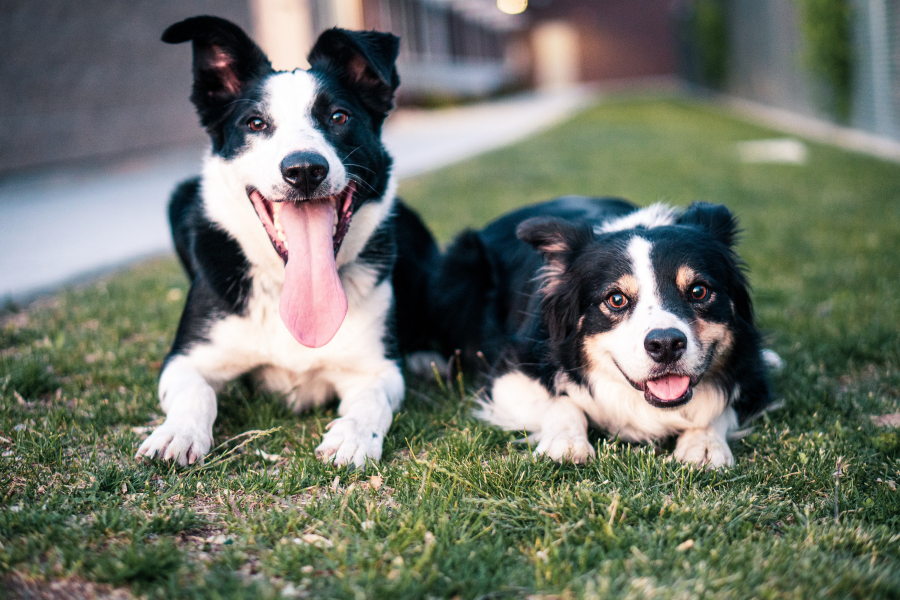
Watching your dog repeatedly squat or lift a leg without producing much urine can be worrying. Dog straining to pee may be caused by something relatively minor, but it can also signal a urinary blockage that needs prompt treatment. Dogs with urinary problems may also show signs such as frequent attempts to urinate, accidents in the house, blood in the urine, licking around the urinary opening, or obvious discomfort. At Cainhoy Veterinary Hospital in Charleston, SC, veterinarians know that urinary changes deserve careful attention because some problems can worsen quickly. This guide explains why dogs may struggle to urinate, which signs are concerning, and when your pet needs urgent veterinary care.
Why Is My Dog Straining to Pee?
A dog that repeatedly tries to urinate but produces only a small amount, a few drops, or no urine at all may have a urinary tract problem. Common causes include urinary infections, bladder stones, inflammation, prostate problems, and urinary obstruction. A complete inability to urinate is particularly concerning and requires immediate veterinary attention. The key difference is whether your dog can actually pass urine. A dog that strains but produces normal amounts may have a different problem from a dog repeatedly attempting to urinate without producing anything.
Common Causes of Urinary Straining in Dogs
| Possible Cause | What Happens | Common Signs |
| Urinary tract infection | Inflammation can make urination painful or frequent | Frequent urination, discomfort, accidents |
| Bladder stones | Stones can irritate the bladder or interfere with urine flow | Straining, blood in urine, frequent attempts |
| Urinary blockage | An obstruction prevents normal urine from leaving the body | Straining with little or no urine, pain |
| Bladder inflammation | Irritation creates an urge to urinate more often | Frequent attempts, small urine amounts |
| Prostate problems | An enlarged or inflamed prostate can affect urination | Straining, difficulty passing urine |
| Masses or growths | Abnormal tissue can interfere with the urinary tract | Changes in urination, blood in urine |
| Narrowing of the urinary passage | Reduced space can make urine flow difficult | Weak stream, prolonged straining |
Not every case of urinary straining means your dog has a blockage. However, it can be difficult to tell the difference at home, which is why persistent or severe urinary difficulty should be evaluated by a veterinarian.
What Signs Mean My Dog May Have a Serious Urinary Problem?
The amount of urine your dog produces is one of the most important details to notice. A dog that makes repeated attempts but produces nothing may be experiencing an obstruction.
Other warning signs include:
- Repeated attempts to urinate
- Only a few drops of urine coming out
- Blood in the urine
- Whining or crying while urinating
- Restlessness or inability to get comfortable
- Licking around the urinary opening
- Urinating in unusual places
- A tense or painful abdomen
- Loss of appetite
- Vomiting
- Weakness or unusual tiredness
Urinary Signs and What They May Mean
| What You Notice | Level of Concern | What to Do |
| Urinating slightly more often | Moderate | Monitor and contact your veterinarian |
| Small amounts of urine | Moderate to high | Arrange veterinary evaluation |
| Blood in urine | High | Contact a veterinarian promptly |
| Repeated straining | High | Veterinary evaluation is recommended |
| Straining with only drops | Very high | Seek prompt veterinary care |
| Repeated attempts with no urine | Critical | Seek urgent veterinary care immediately |
| Straining plus vomiting or weakness | Critical | Seek immediate veterinary attention |
A dog can sometimes appear relatively normal even when a urinary problem is developing. Do not assume that normal appetite or energy completely rules out a serious issue.
Can a Urinary Blockage Be an Emergency for Dogs?
Yes. A complete urinary blockage can become life-threatening because urine cannot leave the body normally. As the obstruction continues, waste products and electrolyte abnormalities can develop, and the bladder can become severely distended. Male dogs may be more vulnerable to certain types of obstruction because of the anatomy of their urinary tract, although urinary problems can affect dogs of any sex. If your dog repeatedly tries to urinate and no urine is coming out, treat it as an emergency and seek immediate urgent care. Do not wait several hours to see whether the problem resolves if your dog is unable to pass urine.
Signs of Possible Urinary Obstruction
Watch particularly closely for:
- Repeated squatting or lifting of the leg without producing urine
- Only tiny drops despite repeated attempts
- Increasing discomfort or restlessness
- Crying or vocalizing while attempting to urinate
- A swollen or painful abdomen
- Vomiting
- Severe weakness
- Collapse
The combination of urinary difficulty and systemic signs such as vomiting or weakness is especially concerning.
How Do Veterinarians Diagnose the Cause?
A veterinarian will typically begin by asking about your dog’s recent urination habits, appetite, water consumption, behavior, and medical history. A physical examination can help identify pain, bladder changes, dehydration, or other abnormalities.
Depending on the situation, diagnostic testing may include:
- Urinalysis: Examines the urine for abnormalities such as blood, inflammation, crystals, or other changes.
- Urine culture: May be recommended when a bacterial infection is suspected.
- Blood testing: Can provide information about kidney function and electrolyte balance.
- X-rays: May help identify certain types of bladder stones or other abnormalities.
- Ultrasound: Can provide a closer look at the bladder, urinary tract, and surrounding structures.
- Additional testing: May be recommended based on your dog’s symptoms and initial results.
Finding the underlying cause matters because treatment for an infection is different from treatment for a blockage, stone, prostate problem, or another urinary condition.
A Hypothetical Case Example
Consider a male dog whose owner notices him repeatedly asking to go outside but producing only a few drops of urine. During the examination, the veterinarian notices that the dog is uncomfortable and has a firm, distended bladder. Further evaluation confirms a urinary obstruction, and the dog receives prompt treatment to restore urine flow and stabilize his condition. This hypothetical example shows why repeated attempts to urinate should not automatically be dismissed as a simple urinary infection. The amount of urine being produced is an important clue.
What Should I Do If My Dog Is Straining to Pee?
Your first step should be to observe whether your dog is actually passing urine. If possible, note how often your dog attempts to urinate and approximately how much urine is produced. If your dog is still producing urine but appears uncomfortable, contact your veterinarian for guidance and an examination. If your dog repeatedly strains and cannot produce urine, seek urgent veterinary care immediately.
While waiting to be evaluated:
- Keep your dog calm and supervised.
- Make fresh water available.
- Note the last time your dog urinated normally.
- Do not give human pain medications.
- Do not attempt to unblock the urinary tract yourself.
- Do not delay care because your dog seems temporarily comfortable.
If your dog produces urine in the house, do not punish the accident. Urinary problems can cause dogs to lose control or feel an unusually strong urge to urinate.
When Should I Seek Urgent Veterinary Care?
Some urinary symptoms can wait for a scheduled appointment, while others should be treated as urgent.
Seek urgent veterinary care immediately if your dog:
- Cannot pass urine
- Repeatedly strains without producing urine
- Produces only drops despite frequent attempts
- Becomes increasingly painful or restless
- Has a swollen or painful abdomen
- Vomits along with urinary difficulty
- Becomes extremely weak or lethargic
- Collapses or has difficulty standing
Even when your dog is producing a small amount of urine, repeated straining should not be ignored. Partial obstruction can potentially progress, and early evaluation may help prevent the situation from becoming more serious.
What Owners Should Remember
| Situation | Recommended Response |
| One unusual urination episode with normal urine output | Monitor closely |
| Frequent urination or accidents | Contact your veterinarian |
| Blood in urine | Arrange prompt veterinary evaluation |
| Repeated straining with small amounts of urine | Seek prompt veterinary care |
| Repeated straining with no urine | Immediate veterinary attention |
| Urinary straining plus vomiting, severe pain, or weakness | Immediate veterinary attention |
How Can You Reduce the Risk of Urinary Problems?
You cannot prevent every urinary condition, but paying attention to your dog’s normal habits can help you recognize changes earlier. Make sure your dog has regular access to fresh water and opportunities to urinate.
Keep an eye on the color, frequency, and approximate amount of urine whenever practical. Changes that continue or become more noticeable should be discussed with your veterinarian.
Regular veterinary examinations can also help identify underlying health problems before they cause severe symptoms. Dogs with a previous history of urinary stones, infections, or other urinary conditions may need additional monitoring based on their individual needs. Most importantly, learn what normal urination looks like for your dog. A change from your dog’s usual pattern can be one of the first clues that something is wrong.
Conclusion
Dog straining to pee should never be ignored, particularly when your dog produces only drops or no urine at all. Urinary infections, bladder stones, inflammation, prostate problems, and blockages can cause similar symptoms, but they do not all require the same treatment. A complete urinary blockage can become serious quickly, making prompt veterinary attention essential.
If you are looking for urgent pet care near you, then call Cainhoy Veterinary Hospital at 843-971-6200 or schedule an appointment, which can evaluate changes in your dog’s urination and help determine what is causing the problem. If your dog cannot urinate, repeatedly strains without producing urine, or develops vomiting, severe pain, weakness, or collapse, seek urgent veterinary care immediately. When it comes to urinary problems, acting early is safer than waiting for symptoms to become severe.
FAQs
Q1: Why is my dog straining to pee but nothing is coming out?
A: Straining without producing urine can be a sign of a urinary obstruction, although other urinary conditions can cause similar behavior. Because a complete blockage can become serious quickly, your dog should receive immediate veterinary attention.
Q2: Can a urinary tract infection make a dog strain to pee?
A: Yes. A urinary tract infection can cause inflammation and discomfort, leading to frequent attempts to urinate, straining, accidents, or small amounts of urine. A veterinarian can use urine testing to help determine whether an infection is present.
Q3: How can I tell if my dog has a urinary blockage?
A: Repeated attempts to urinate with little or no urine are important warning signs. Restlessness, pain, vomiting, weakness, or a distended abdomen can indicate that the situation is becoming more serious. A veterinarian must diagnose the obstruction.
Q4: How quickly should I take my dog to the vet if he cannot pee?
A: A dog that cannot pass urine needs immediate veterinary attention. Do not wait for the problem to resolve on its own because a complete obstruction can cause dangerous changes throughout the body.
Q5: Can a dog straining to pee be treated at home?
A: Home treatment is not appropriate when a dog is repeatedly straining or having difficulty passing urine because the underlying cause needs to be identified. Never attempt to unblock the urinary tract or give human medication without veterinary direction.