710 Hopewell Drive, Suite 102, Charleston, SC 29492


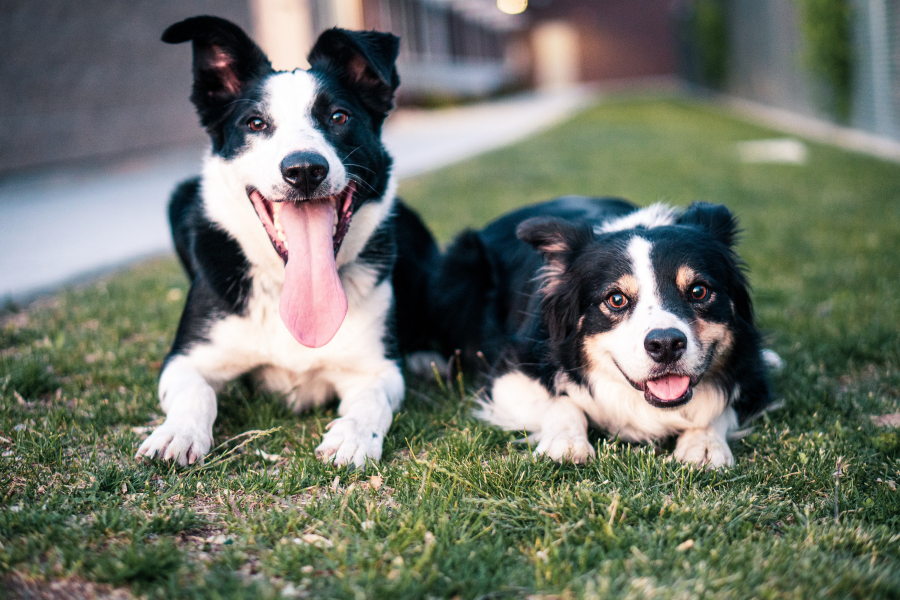
Dogs love exploring trails, sniffing through grass, and investigating unfamiliar animals. Unfortunately, this curiosity can bring them close to rattlesnakes, especially in areas with wooded paths, rocks, brush, or tall vegetation. A quick encounter can result in a painful bite that needs prompt veterinary attention.
Rattlesnake bites in dogs can cause swelling, tissue damage, bleeding problems, and other serious complications. The effects depend on the snake, the amount of venom delivered, the bite location, and your dog’s overall health. Knowing how to recognize a possible bite and what to do next can help you act quickly. Cainhoy Veterinary Hospital in Charleston, SC, encourages pet owners to stay alert outdoors and seek urgent veterinary guidance if a venomous snake bite is suspected.
What Are the Signs of a Rattlesnake Bite in Dogs?
Rattlesnake bites in dogs may cause sudden pain, swelling, bleeding, and changes in behavior. Some dogs develop puncture wounds, while others may have swelling beneath their fur that makes the bite difficult to identify. Signs can appear quickly, but the severity may change over time.
Common signs to watch for include:
- Sudden yelping or signs of pain
- Swelling around the muzzle, face, neck, or legs
- Small puncture marks or bleeding
- Limping or reluctance to walk
- Drooling or restlessness
- Weakness or unusual tiredness
- Vomiting
- Bruising or unusual bleeding
- Difficulty swallowing or breathing
Dogs are often bitten on the face or front legs because they may approach a snake with their nose or step close to it while exploring. However, a bite can occur on other parts of the body, too.
Do not rely on visible puncture marks to decide whether your dog needs care. Fur can hide wounds, and some bites may be difficult to see. If you witnessed an encounter or suspect your dog was bitten, contact a veterinarian immediately, even if your dog initially appears normal.
Why Are Rattlesnake Bites Dangerous for Dogs?
Rattlesnake venom contains substances that can damage tissues and interfere with normal body functions. Depending on the snake and the bite, a dog may experience pain, significant swelling, tissue injury, or problems with blood clotting. Severe cases can affect circulation and other vital functions.
Several factors influence the seriousness of a bite:
- Bite location: Swelling around the face or neck can be especially concerning if it affects swallowing or breathing.
- Amount of venom: Some bites deliver more venom than others. A bite that looks small may still cause serious complications.
- Dog size and health: A smaller dog or one with existing health problems may be more vulnerable to the effects.
- Time before treatment: Prompt veterinary assessment allows the care team to identify developing problems and begin appropriate treatment.
A dog’s reaction can also differ from another dog’s reaction after a similar encounter. That is why it is unsafe to judge the severity of a bite based only on the initial swelling or your pet’s behavior.
Even if your dog stops crying or seems comfortable, the effects of venom may continue to develop. Getting veterinary guidance early is safer than waiting for symptoms to become more noticeable.
What Should You Do If a Rattlesnake Bites Your Dog?
If a rattlesnake bites your dog, move away from the snake and focus on getting veterinary help. Protect yourself first, and do not try to catch, kill, or handle the snake.
Follow these steps:
- Move to a safe area. Keep your dog away from the snake and avoid putting yourself at risk of another bite.
- Limit your dog’s movement. Carry your dog if it is safe and practical. Otherwise, encourage as little movement as possible while arranging transport.
- Call a veterinary clinic promptly. Explain that you suspect a rattlesnake bite and share any signs you have noticed.
- Keep the bite area undisturbed. Do not cut the wound, suck out venom, apply ice, or use a tourniquet.
- Avoid giving medication without instructions. Human pain relievers and home remedies can be harmful or interfere with treatment.
- Share what you know. Tell the veterinarian when the bite may have happened and which body part appears affected.
If you can remember the snake’s appearance from a safe distance, share that information with the veterinary team. A photograph is not necessary if taking one would bring you closer to the snake.
How Do Veterinarians Diagnose and Treat Rattlesnake Bites?
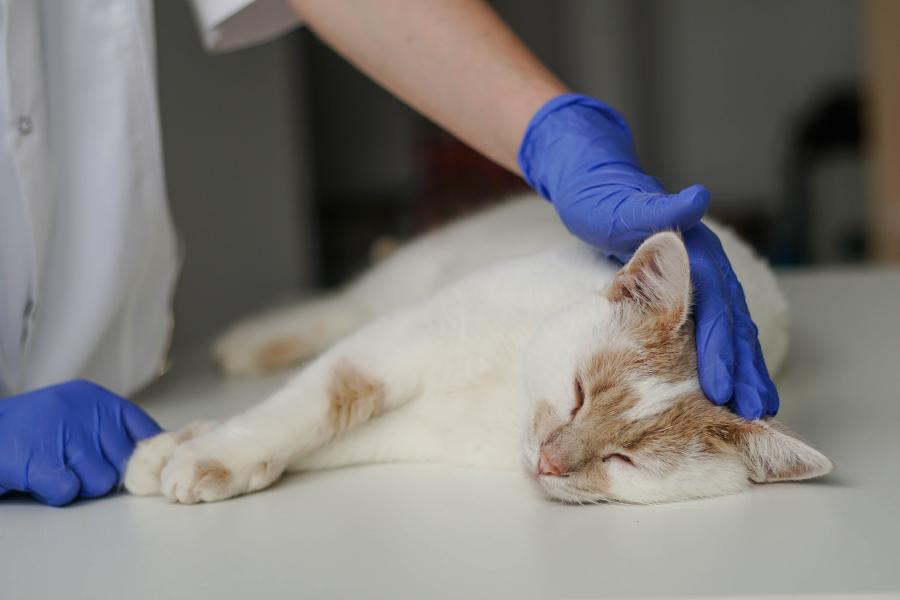
A veterinarian will assess your dog’s overall condition, examine the suspected bite area, and check for swelling, pain, tissue damage, and changes in circulation. Depending on the symptoms, blood tests may be recommended to assess clotting and other aspects of your dog’s health.
Treatment depends on the bite and the dog’s condition. It may include pain relief, intravenous fluids, wound care, and close monitoring. Some dogs need additional support if venom affects blood clotting or other body functions.
In certain cases, a veterinarian may recommend antivenom, a treatment that helps counteract the effects of venom. Whether it is appropriate depends on the clinical findings and the severity of the suspected bite.
Consider a dog returning from a wooded walk with sudden muzzle swelling and signs of pain. The owner may not see puncture marks, but the veterinarian can assess the swelling, ask about the encounter, and determine which tests and treatments are needed. This kind of assessment helps the care team respond to the dog’s actual condition instead of relying on appearance alone.
There is no reliable home remedy that can replace veterinary evaluation. Treatment decisions should be made by a veterinarian familiar with the signs and possible complications of venomous bites.
How Can You Reduce the Risk of Rattlesnake Bites?
Outdoor activities do not have to stop, but taking precautions can reduce the chance of an encounter. Dogs may not recognize the danger posed by a snake, so supervision and prevention are important.
Use these habits when walking or playing outdoors:
- Keep your dog on a leash in areas where snakes may live.
- Stay on clear, maintained paths when hiking.
- Avoid tall grass, brush piles, rocky crevices, and other places where snakes may hide.
- Keep your yard free of unnecessary debris and overgrown vegetation.
- Supervise outdoor play, particularly near wooded or undeveloped areas.
- Prevent your dog from approaching unfamiliar wildlife.
- Learn about venomous snake activity in areas where you regularly walk your dog.
Rattlesnake activity varies with local conditions and weather. If you frequently visit trails or outdoor spaces where venomous snakes are present, ask a local veterinarian or wildlife professional about relevant precautions for your area.
When Should You Seek Urgent Veterinary Care?
Seek urgent veterinary care immediately if you see a rattlesnake bite your dog or have a strong reason to suspect a bite. Do not wait for visible swelling or other symptoms to appear. Early assessment helps a veterinarian determine the level of risk and whether treatment or monitoring is needed.
Signs that require prompt attention include:
- Rapidly increasing swelling
- Severe pain or sudden weakness
- Trouble breathing or swallowing
- Repeated vomiting
- Unusual bruising or bleeding
- Collapse or reduced responsiveness
If you are in the Charleston area, contact Cainhoy Veterinary Hospital during its operating hours to discuss your dog’s condition and the next steps. Call before arriving when possible so the team can advise you. If the clinic is closed, follow its after-hours veterinary referral guidance.
Conclusion
Rattlesnake bites can cause serious health problems in dogs, and the first signs may be hidden beneath their fur. Sudden pain, swelling, puncture wounds, weakness, or unusual behavior after outdoor activity should be taken seriously. Keep your dog away from the snake, limit movement, and avoid home remedies while arranging veterinary care.
Prevention also matters. Keep your dog close on walks, avoid areas where snakes may hide, and supervise outdoor exploration. If you suspect a bite, do not wait for symptoms to worsen. Call Cainhoy Veterinary Hospital at 843-971-6200 in Charleston, SC, for guidance on urgent veterinary care during regular business hours and help determining the next step for your pet.
FAQs
Q1: Can a dog survive a rattlesnake bite?
A: Yes, many dogs can recover from rattlesnake bites with appropriate veterinary treatment. The outcome depends on the amount of venom delivered, the bite location, and the dog’s overall health. Prompt veterinary assessment can help identify complications and guide treatment.
Q2: How quickly do rattlesnake bite symptoms appear in dogs?
A: Pain and swelling may develop quickly after a bite, but other effects can appear or worsen over time. Watch for puncture wounds, limping, weakness, vomiting, or unusual behavior. Do not wait for symptoms to become severe before seeking veterinary care.
Q3: What should I do if I suspect a rattlesnake bit my dog?
A: Move your dog away from the snake, limit movement, and contact a veterinarian immediately. Do not cut the wound, apply ice, use a tourniquet, or attempt to remove venom. If possible, share when the bite may have happened and which part of your dog’s body appears affected.
Q4: Does every rattlesnake bite require antivenom treatment?
A: No, treatment depends on the veterinarian’s assessment and the severity of the bite. Some dogs may need supportive care, pain relief, fluids, and monitoring, while antivenom may be recommended in certain cases. A veterinarian can determine the most appropriate treatment for your dog.
Q5: Can Cainhoy Veterinary Hospital help if my dog is bitten by a rattlesnake?
A: If you suspect a rattlesnake bite, contact Cainhoy Veterinary Hospital in Charleston, SC, during its operating hours to discuss your dog’s condition and the next steps. Call ahead when possible so the team can advise you. If the clinic is closed, follow its after-hours veterinary referral guidance.