710 Hopewell Drive, Suite 102, Charleston, SC 29492


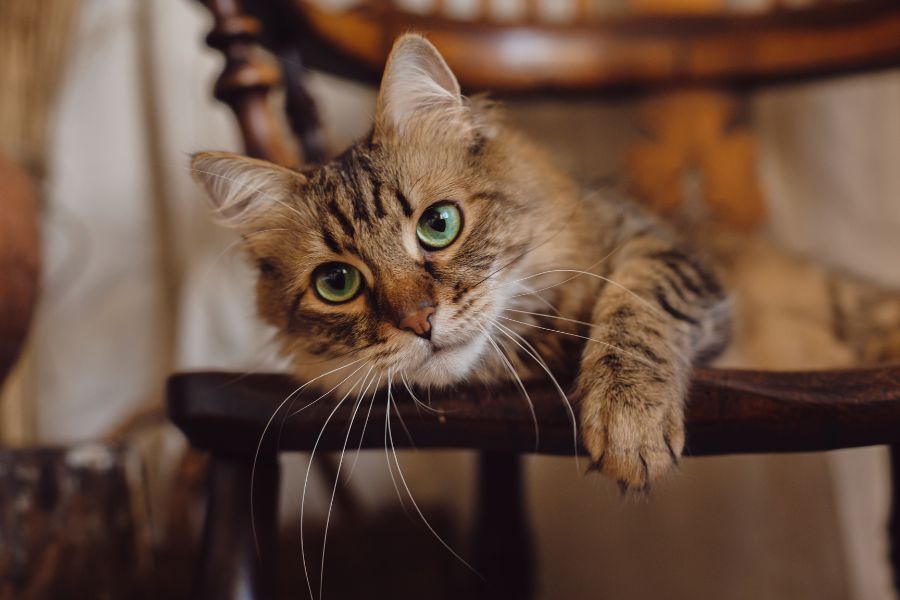
Cleaning litter box and finding loose stool can worry any cat owner. If you’re thinking that your cat has diarrhea, you are not alone. Diarrhea ranges from mild digestive upset to a sign of serious illness requiring immediate treatment. While one loose stool may not always mean an emergency, repeated diarrhea can quickly lead to dehydration, especially in kittens and older cats. At Cainhoy Veterinary Hospital, Charleston, SC, veterinarians encourage owners to monitor digestive changes closely instead of waiting several days. Knowing what causes diarrhea, which symptoms signal emergency, and when to seek veterinary care helps protect your cat and prevents small problems from becoming much more serious.
Why Does My Cat Have Diarrhea, and Is It an Issue
Not every case of diarrhea requires emergency treatment. Many cats experience temporary digestive upset after dietary changes or mild stomach irritation. However, diarrhea lasting more than 24 to 48 hours, becoming severe, or occurring with other symptoms should be evaluated by a veterinarian.
Emergency care becomes important if your cat has diarrhea along with:
- Repeated vomiting
- Blood in stool
- Black, tar-like stool
- Extreme weakness
- Collapse
- Trouble breathing
- Refusing food for more than one day
- Signs of dehydration
- Severe abdominal pain
- Fever
Young kittens deserve immediate attention because they lose fluids much faster than healthy adults.
Cats naturally hide illness. By the time diarrhea becomes obvious, underlying disease may already be progressing. Early diagnosis often allows faster treatment and fewer complications.
What Causes Diarrhea in Cats
Diarrhea is a symptom rather than a disease itself. Many different conditions can affect the digestive tract.
Common causes include:
- Sudden diet changes
- Eating spoiled food
- Food intolerance
- Intestinal parasites
- Stress
- Hairballs irritating the digestive tract
- Bacterial infections
- Viral infections
- Inflammatory bowel disease
- Pancreatitis
- Liver disease
- Kidney disease
- Hyperthyroidism
- Certain medications
- Cancer
Indoor cats can also develop diarrhea after chewing houseplants, eating string, or swallowing foreign objects. Stress should not be overlooked. Boarding, moving, visitors, construction noise, or arrival of another pet sometimes causes temporary digestive upset. While mild stress-related diarrhea often improves quickly, persistent symptoms deserve examination.
Older cats face greater risk of chronic medical conditions causing diarrhea. Blood work and additional testing help identify these diseases before they become advanced.
Signs That Diarrhea May Be Serious
Consistency alone does not determine severity. Other symptoms often provide a better picture of your cat’s condition.
Watch for:
- Frequent watery stool
- Blood or mucus
- Vomiting
- Weight loss
- Poor appetite
- Hiding
- Lethargy
- Increased thirst
- Dry gums
- Sunken eyes
- Pain when abdomen touched
- Straining inside litter box
Dehydration develops quickly when diarrhea continues. Cats lose water and important electrolytes with every loose bowel movement. Without treatment, dehydration affects circulation, kidney function, and overall recovery.
Pay attention to litter box habits. Increased frequency, accidents outside the box, or repeated unsuccessful attempts to pass stool all provide valuable information for your veterinarian.
Even if diarrhea seems mild, lasting longer than two days should not be ignored.
How Veterinarians Diagnose and Treat Cat Diarrhea
Finding the underlying cause remains the most important part of treatment. Stopping diarrhea without identifying the reason often leads to recurring problems.
Physical examination includes evaluation of:
- Hydration
- Body weight
- Abdomen
- Mouth
- Temperature
- Heart and lungs
Depending on examination findings, the veterinarian may recommend:
- Fecal examination
- Blood work
- Urinalysis
- X-rays
- Ultrasound
- Additional digestive testing
Treatment depends on diagnosis and severity.
Possible treatments include:
- Fluid therapy
- Anti-nausea medication
- Digestive support medication
- Prescription gastrointestinal diet
- Parasite treatment
- Pain management
- Hospitalization for severe dehydration
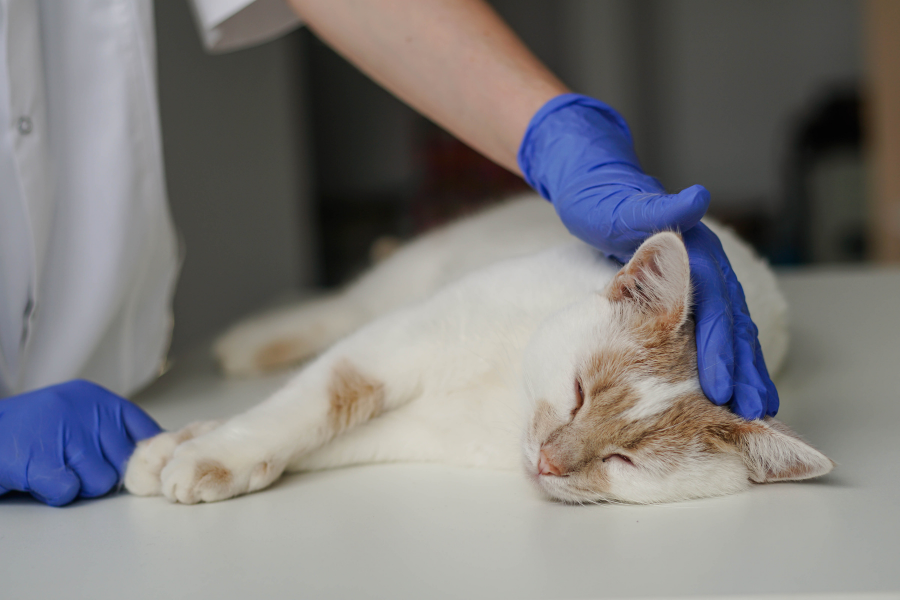
One recent patient presented with frequent diarrhea, reduced appetite, and low energy after several days of digestive upset. Dr. Kristen Walter, DVM, performed a thorough examination and diagnostic testing, which ruled out intestinal obstruction while identifying significant gastrointestinal inflammation. After fluid therapy, supportive medications, nutritional management, and close monitoring, appetite gradually returned, and stool consistency improved over the following days. Early treatment helped prevent more serious complications.
What Pet Owners Can Do at Home
If your cat has mild diarrhea but otherwise acts normally, you can take a few supportive steps while arranging a veterinary appointment if symptoms continue.
Helpful measures include:
- Make fresh water available at all times.
- Keep litter box clean and easy to reach.
- Watch stool frequency and consistency.
- Monitor appetite and energy level.
- Reduce stress around feeding area.
- Follow veterinarian’s dietary recommendations if your cat has a history of digestive problems.
Do not give human anti-diarrhea medications. Many products safe for people can be harmful or even toxic to cats.
Avoid introducing new foods, treats, or supplements while your cat has diarrhea. Sudden dietary changes may worsen digestive upset.
Monitor for dehydration by checking whether gums feel dry or sticky, watching water intake, and noting changes in urination. If your cat becomes weak, refuses food, or diarrhea becomes more frequent, seek veterinary care promptly.
When Should You Seek Urgent Veterinary Care
Some cases of diarrhea require immediate medical attention because delays increase the risk of serious complications.
Take your cat for urgent evaluation if you notice:
- Diarrhea lasting longer than 24 to 48 hours
- Blood in stool
- Black stool
- Repeated vomiting
- Severe lethargy
- Refusing food
- Signs of dehydration
- Painful abdomen
- Fever
- Collapse
- Trouble walking
- Suspected toxin exposure
- Swallowed foreign object
Kittens, senior cats, and cats living with chronic illnesses should receive veterinary care sooner because dehydration develops more quickly.
Waiting several days hoping diarrhea stops on its own may allow underlying disease to worsen. Early diagnosis often means simpler treatment and shorter recovery.
What to Expect During Your Visit
During the appointment, the veterinarian reviews your cat’s medical history, recent diet, medications, environment, and symptoms. Physical examination helps identify dehydration, abdominal pain, fever, or other abnormalities.
Diagnostic recommendations depend on findings and may include fecal testing, blood work, imaging, or additional gastrointestinal testing.
Treatment focuses on correcting dehydration, relieving discomfort, supporting digestion, and treating underlying disease rather than simply stopping diarrhea.
Clear communication helps owners understand recovery expectations, medications, home monitoring, and follow-up care if needed.
Conclusion
If you find yourself saying that your cat has diarrhea, remember that one loose stool may not always be an emergency, but persistent diarrhea should never be ignored. Watching for dehydration, appetite changes, vomiting, blood in stool, or unusual behavior helps determine when urgent care becomes necessary.
Prompt urgent care evaluation often leads to faster diagnosis and more effective treatment before complications develop. If your cat continues having diarrhea or shows any concerning symptoms and you are searching for urgent vet care near you, then contact us at 843-971-6200 or schedule an appointment with Cainhoy Veterinary Hospital, Charleston, SC, to help your cat recover safely.
FAQs
Q1: Why does my cat suddenly have diarrhea?
Ans: Sudden diarrhea may result from dietary changes, stress, parasites, digestive disease, infections, medications, or other medical conditions. Veterinary examination helps determine the exact cause.
Q2: How long is too long for cat diarrhea?
Ans: Diarrhea lasting longer than 24 to 48 hours, or diarrhea accompanied by vomiting, weakness, or dehydration, should be evaluated by a veterinarian as soon as possible.
Q3: Can stress cause diarrhea in cats?
Ans: Yes. Changes in routine, travel, new pets, loud noises, or moving can temporarily upset the digestive tract. Persistent diarrhea still deserves veterinary evaluation.
Q4: Should I feed my cat if it has diarrhea?
Ans: Continue providing fresh water and follow your veterinarian’s feeding recommendations. Do not make frequent diet changes or give human medications without veterinary guidance.
Q5: When should I take my cat to an emergency veterinarian?
Ans: Seek emergency care if diarrhea occurs with repeated vomiting, blood in stool, collapse, severe weakness, dehydration, abdominal pain, breathing difficulty, or suspected toxin or foreign object ingestion.