710 Hopewell Drive, Suite 102, Charleston, SC 29492


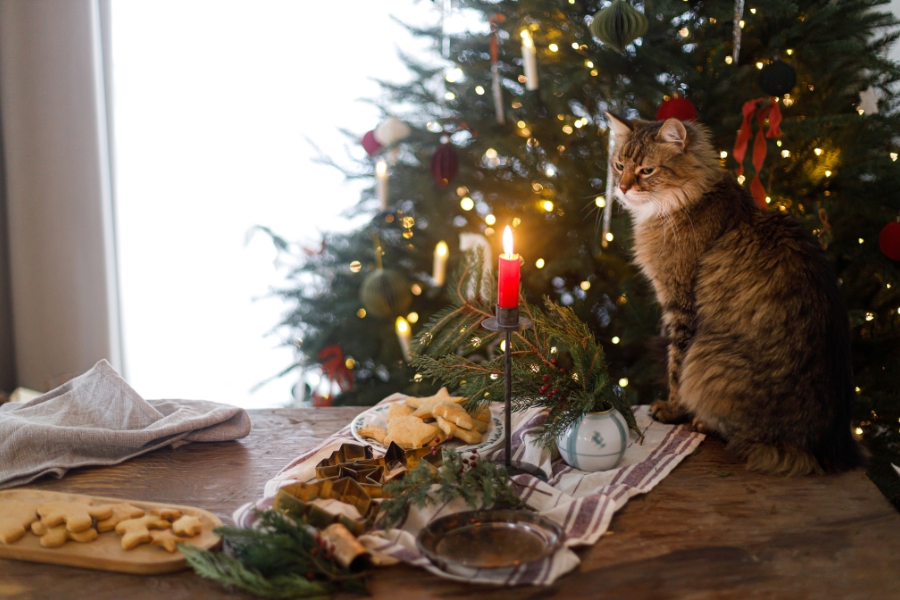
The holidays are full of joy, but they also bring hidden risks for furry family members. Many dangerous Christmas items for pets are common household foods and decorations that pet owners overlook. This guide breaks down the most common holiday pet safety hazards, explains why they are harmful, and shares simple ways to keep your pet safe throughout the season.
Why Holiday Pet Safety Matters During Christmas
Christmas routines are different from the rest of the year. Guests come and go, food is left within reach, and decorations fill every room. For pets, this change in environment increases exposure to harmful Christmas foods pets should never eat and unsafe décor.
According to veterinary professionals, emergency visits often rise during the holidays due to poisoning, intestinal blockages, and electrical injuries. Knowing what to avoid is the first step in prevention.
Harmful Christmas Foods Pets Should Never Eat
Many traditional holiday treats are toxic to pets, even in small amounts. Dogs are especially vulnerable, but cats can also be affected.
Chocolate and Cocoa-Based Desserts
Chocolate contains theobromine, which pets cannot process efficiently. Dark chocolate and baking chocolate are the most dangerous.
Symptoms may include:
- Vomiting or diarrhea
- Rapid heart rate
- Tremors or seizures
Grapes, Raisins, and Currants
Found in fruit trays, baked goods, and stuffing, these foods can cause sudden kidney failure in dogs. Even a few bites can be life-threatening.
Onions, Garlic, and Chives
These ingredients damage red blood cells and may lead to anemia. They are commonly found in gravies, stuffing, casseroles, and seasoned meats.
Alcohol and Yeast Dough
Alcohol causes intoxication and respiratory issues, while raw yeast dough expands in the stomach, leading to bloating and pain.
Xylitol and Artificial Sweeteners
Sugar-free gum, candies, and baked goods often contain xylitol, which can cause a dangerous drop in blood sugar and liver failure.
Dangerous Christmas Items Pets Can Swallow
Decorations are visually appealing to pets, especially curious puppies and playful cats. Unfortunately, many pose serious risks when chewed or swallowed.
Ornaments and Tinsel
Glass ornaments can shatter, causing cuts or internal injuries. Tinsel and ribbon can lead to intestinal blockages that require surgery.
Wrapping Paper and Bows
Paper may seem harmless, but metallic bows, tape, and string can obstruct the digestive tract.
Batteries and Electronics
Button batteries found in toys, remotes, and musical cards can cause severe chemical burns if punctured or swallowed.
Christmas Plants That Are Toxic to Pets
Holiday plants add beauty to the home, but can be poisonous if ingested.
Common toxic plants include:
- Poinsettias
- Holly berries
- Mistletoe
- Amaryllis and lilies
Symptoms range from mild stomach upset to severe heart or neurological issues, depending on the plant and amount consumed.
Electrical and Fire-Related Holiday Pet Safety Hazards
Electrical cords, candles, and fireplaces increase during the holidays and can pose serious threats.
Chewing on Light Cords
Pets chewing on electrical cords risk burns to the mouth or electrocution. This is especially common with puppies and kittens.
Candles and Open Flames
A wagging tail or curious cat can easily knock over a candle, causing burns or starting a fire.
Fireplaces and Heaters
Pets may get too close to stay warm and risk burns, especially if left unsupervised.
How to Pet-Proof Your Home for the Holidays
Reducing exposure to holiday pet safety hazards does not require removing all decorations. Small adjustments make a big difference.
Helpful safety tips:
- Place food out of reach and clean up after meals
- Secure the Christmas tree to prevent tipping
- Avoid tinsel, or place it high where pets cannot reach
- Cover electrical cords or use pet safe cord protectors
- Choose non toxic plants or artificial alternatives
- Supervise pets during gatherings and gift unwrapping
What to Do If Your Pet Eats Something Dangerous
If you suspect your pet has consumed a harmful food or decoration, do not wait for symptoms to appear. Some toxins cause delayed reactions but can still be deadly.
Steps to take immediately:
- Remove access to the item
- Do not induce vomiting unless instructed
- Call your veterinarian or an emergency clinic
- Be prepared to describe what and how much your pet ate
Quick action can prevent serious complications and may save your pet’s life.
Creating a Pet Safe Holiday Celebration
Christmas should be enjoyable for everyone, including your pets. By understanding which dangerous Christmas items pets commonly encounter and planning ahead, you can reduce stress and emergency vet visits.
Consider giving pets their own safe treats, toys, and quiet space away from the hustle and bustle. Consistency and supervision go a long way in keeping them healthy and happy.
Conclusion
The holiday season brings warmth, celebration, and togetherness, but it also introduces risks that pet owners must take seriously. Being aware of harmful Christmas foods pets should avoid, unsafe decorations, and seasonal hazards allows you to enjoy the holidays with peace of mind. If you are in Charleston, SC, and searching for a trusted veterinarian near you during the holidays, Cainhoy Veterinary Hospital provides compassionate care and guidance to help protect your pet year-round.
FAQs
Q1: What are the most dangerous Christmas items for pets?
Ans: Chocolate, grapes, cooked bones, tinsel, ornaments, and toxic plants are among the most dangerous holiday items for pets.
Q2: Can dogs eat small amounts of holiday food safely?
Ans: Some plain foods are safe, but many holiday dishes contain hidden ingredients like onions or garlic that can be harmful even in small amounts.
Q3: Are Christmas trees dangerous for pets?
Ans: Yes, tree water, ornaments, tinsel, and fallen needles can cause stomach upset or injuries if ingested.
Q4: What should I do if my pet eats chocolate during Christmas?
Ans: Contact your veterinarian immediately, as chocolate toxicity depends on the type and amount consumed and requires prompt care.
Q5: When should I search for a veterinarian near me during the holidays?
Ans: You should seek a veterinarian near you right away if your pet shows signs of poisoning, vomiting, lethargy, or has swallowed a foreign object.