710 Hopewell Drive, Suite 102, Charleston, SC 29492


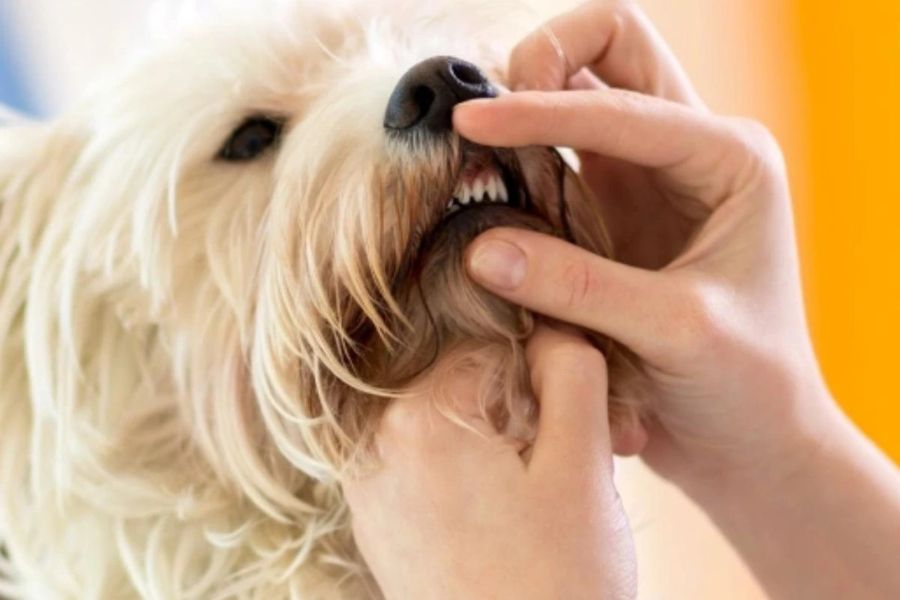
Dog tooth decay is more common than many pet owners realize. If your dog has bad breath, difficulty eating, or swollen gums, it could be a sign of dental disease that needs professional care. Visiting an animal hospital near you can help identify tooth decay early and prevent serious health complications.
In this guide, you will learn the signs of tooth decay in dogs, common causes, treatment options, and when to schedule a veterinary visit. Understanding dental health can help your dog live a longer, healthier, and more comfortable life.
What Is Tooth Decay in Dogs?
Tooth decay in dogs happens when bacteria build up on teeth and gums, leading to plaque, tartar, and infection. Over time, this buildup damages the tooth structure and surrounding tissue. If untreated, it can result in tooth loss and other health problems.
Dogs rarely show pain openly, which means dental issues often go unnoticed until they become severe. Regular dental checkups at an animal hospital can help detect early signs before they worsen.
Common dental issues in dogs include:
- Tooth decay
- Periodontal disease
- Gum infections
- Broken or fractured teeth
- Abscessed teeth
Dental disease affects nearly 80 percent of dogs over age three. Early prevention is key to maintaining good oral health.
Signs Your Dog May Have Tooth Decay
Recognizing the symptoms early can prevent more serious problems. Some signs of tooth decay are subtle, while others are more obvious.
Common Symptoms to Watch For
- Persistent bad breath
- Yellow or brown tartar buildup
- Red or swollen gums
- Difficulty chewing or dropping food
- Pawing at the mouth
- Excessive drooling
- Loose or missing teeth
- Bleeding from gums
If you notice any of these symptoms, it is best to visit an animal hospital near you for a professional dental exam. Early treatment often leads to better outcomes.
What Causes Tooth Decay in Dogs?
Several factors contribute to dental problems in dogs. Understanding these causes can help you take preventive steps.
1. Plaque and Tartar Buildup
Bacteria in your dog’s mouth combine with food particles and saliva, forming plaque. If not removed, plaque hardens into tartar, which leads to tooth decay.
2. Poor Dental Hygiene
Dogs that do not receive regular dental care are more likely to develop dental disease. Brushing your dog’s teeth regularly can help prevent buildup.
3. Diet and Nutrition
Soft foods and sugary treats can increase plaque buildup. Dry kibble and dental treats may help reduce tartar accumulation.
4. Age
Older dogs are more prone to tooth decay. Regular dental exams become more important as dogs age.
5. Breed Predisposition
Small breeds like Chihuahuas and Yorkies often develop dental issues faster due to crowded teeth.
Routine dental exams at an animal hospital can help identify these risks early.
Why Tooth Decay in Dogs Is a Serious Health Issue
Many pet owners assume tooth decay only affects the mouth. However, untreated dental disease can impact your dog’s overall health.
Bacteria from infected teeth can enter the bloodstream and affect major organs such as:
- Heart
- Liver
- Kidneys
This can lead to serious conditions that require advanced treatment. Tooth decay can also cause chronic pain, making eating uncomfortable and affecting your dog’s quality of life. Addressing dental issues early helps prevent these complications and keeps your pet healthy.
How Veterinarians Diagnose Tooth Decay
When you visit an animal hospital, the veterinary team will perform a thorough dental examination.
The diagnostic process may include:
- Oral examination
- Dental X-rays
- Gum health evaluation
- Checking for loose or damaged teeth
Dental X-rays are especially helpful because many dental problems occur below the gum line. Early detection allows veterinarians to recommend appropriate treatment.
Treatment Options for Dog Tooth Decay
Treatment depends on the severity of the condition. Your veterinarian will recommend the best option for your dog’s needs.
Professional Dental Cleaning
Professional cleaning removes plaque and tartar buildup. This is one of the most common treatments for early tooth decay.
Tooth Extraction
If a tooth is severely damaged, extraction may be necessary to prevent infection.
Antibiotics and Pain Management
Infections may require antibiotics. Pain medications help keep your dog comfortable during recovery.
Advanced Dental Procedures
Some cases may require root canal treatment or periodontal therapy.
After treatment, your veterinarian will provide home care instructions to maintain oral health.
How to Prevent Tooth Decay in Dogs
Prevention is the best way to protect your dog’s dental health. Simple steps can make a big difference.
Daily Dental Care Tips
- Brush your dog’s teeth regularly
- Use veterinarian-approved toothpaste
- Provide dental chews
- Offer healthy diet options
- Schedule regular dental exams
Even small improvements in dental care can reduce the risk of tooth decay.
How Often Should Dogs Get Dental Checkups?
Most dogs benefit from annual dental checkups. However, some dogs may need more frequent visits.
Dogs that may need more frequent exams include:
- Small breed dogs
- Senior dogs
- Dogs with previous dental issues
- Dogs with chronic health conditions
Your veterinarian can recommend a schedule based on your dog’s needs.
When Should You Visit an Animal Hospital?
You should schedule a visit if you notice any signs of dental problems. Waiting too long can make treatment more complicated and expensive.
Schedule an appointment if your dog has:
- Persistent bad breath
- Difficulty eating
- Swollen gums
- Tooth discoloration
- Visible tartar buildup
Prompt care can help prevent pain and long-term health issues.
The Importance of Early Dental Care for Puppies
Dental care should start early. Puppies benefit from early dental routines and exams.
Early dental care helps:
- Build healthy habits
- Reduce fear of dental exams
- Prevent early plaque buildup
- Monitor tooth development
Introducing dental care early sets your dog up for lifelong oral health.
Home Dental Care vs Professional Dental Care
Home dental care is important, but it does not replace professional treatment.
Home Care Helps With:
- Reducing plaque
- Maintaining fresh breath
- Supporting gum health
Professional Care Helps With:
- Deep cleaning
- Dental X-rays
- Tooth extraction
- Advanced treatment
Combining both provides the best protection for your dog’s dental health.
Tooth decay in dogs is a common but preventable condition. Recognizing early signs and maintaining regular dental care can protect your dog’s health and comfort. If you notice symptoms like bad breath, swollen gums, or difficulty eating, do not wait. Conducting a dog dental exam can prevent serious complications and improve your dog’s quality of life. For professional dog dental care in Charleston, SC, and its surrounding areas like Huger, Mount Pleasant, Wando, and North Charleston, contact Cainhoy Veterinary Hospital in Charleston, SC, and book an appointment today.
FAQs
Q1: How do I know if my dog has tooth decay?
Ans: Signs include bad breath, swollen gums, difficulty eating, and visible tartar buildup. A veterinary exam confirms the diagnosis.
Q2: Can tooth decay in dogs heal on its own?
Ans: No, tooth decay does not heal without treatment. Professional dental care is necessary to prevent worsening conditions.
Q3: How often should I brush my dog’s teeth?
Ans: Daily brushing is ideal, but brushing several times a week can still help reduce plaque buildup.
Q4: Is tooth decay painful for dogs?
Ans: Yes, tooth decay can cause significant pain, even if dogs do not show obvious signs.
Q5: When should I visit an animal hospital near you for dental care?
Ans: Visit an animal hospital if you notice bad breath, gum swelling, or changes in eating habits. Early care helps prevent serious dental disease.