710 Hopewell Drive, Suite 102, Charleston, SC 29492


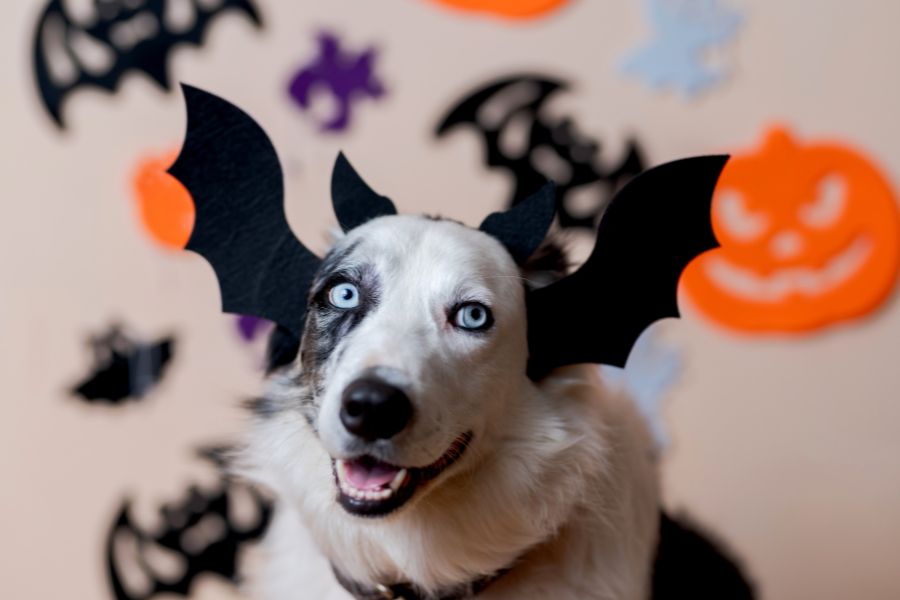
Halloween can be a thrilling time for humans — but for pets, it often brings confusion, fear, and anxiety. From strange costumes to loud noises and flashing lights, the season introduces a whirlwind of unfamiliar experiences. In this guide, you’ll learn how to help your pet adjust to new Halloween sights, sounds, and costumes through practical Halloween pet training, safety measures, and socialization tips.
Why Halloween Can Be Stressful for Pets
Halloween introduces sudden changes in your pet’s environment that can trigger stress and anxiety.
Common stressors include:
- Loud noises: Doorbells, trick-or-treaters, and spooky sound effects.
- Costumes: Strange shapes, scents, and silhouettes confuse animals.
- Decorations: Moving or glowing decorations can scare pets.
- Crowds: Unfamiliar visitors can overwhelm even social pets.
Understanding these triggers is the first step to creating a calm, pet-safe Halloween environment.
How to Prepare Your Pet for Halloween Night
Preparation is key when helping your pet feel comfortable during the festivities.
1. Start Halloween Pet Training Early
Gradually expose your pet to elements of Halloween weeks in advance.
- Play soundtracks of doorbells, laughter, or spooky music at low volume.
- Show costumes or masks during playtime so they associate them with fun.
- Use positive reinforcement — reward calm behavior with treats or praise.
This type of exposure training helps desensitize your pet and reduces anxiety when the big night arrives.
2. Create a Safe Space
Set up a quiet, cozy retreat where your pet can relax. Include:
- Their bed or crate with familiar blankets.
- White noise or calming music to block outside sounds.
- Favorite toys or chew items to distract and comfort them.
This safe space gives your pet control and a place to decompress during stressful moments.
Introducing Your Pet to Halloween Costumes
Costumes are one of the most confusing parts of Halloween for pets. The sudden change in appearance — even of familiar people — can be scary.
Tips to help your pet adjust:
- Let them sniff the costume before you wear it.
- Put it on gradually — start with small pieces at a time.
- Use gentle reassurance and treats for calm reactions.
- Avoid covering your face around nervous pets until they’re comfortable.
If your pet will wear a costume, ensure it’s comfortable, breathable, and non-restrictive. Avoid masks, dangling parts, or tight accessories that can cause distress or injury.
Managing Pet Anxiety on Halloween Night
Even well-trained pets can become anxious once the real Halloween action begins.
To reduce anxiety:
- Keep your pet indoors. Never leave them outside — loud noises and unfamiliar activity can cause them to bolt.
- Stick to routines. Feed, walk, and play with your pet as usual to maintain normalcy.
- Consider anxiety aids. Talk to your vet about calming treats, pheromone sprays, or anxiety vests.
- Monitor their behavior. Watch for signs like trembling, pacing, panting, or hiding.
A calm pet parent can also make a big difference — pets take emotional cues from you.
Halloween Pet Safety Tips
Halloween safety goes beyond managing anxiety. Many seasonal decorations and treats can pose health hazards.
Keep your pet safe with these guidelines:
- No candy or chocolate: These are toxic to pets. Store all sweets securely.
- Watch costume accessories: Buttons, beads, and strings can be choking hazards.
- Be cautious with candles and cords: Pets may knock them over or chew on them.
- Use pet-friendly décor: Avoid anything with small detachable parts or toxic paints.
- Check ID tags and microchips: If your pet escapes, proper identification ensures they can be returned quickly.
By taking these precautions, you’ll create a Halloween environment that’s fun for the whole family — pets included.
Socializing Your Pet During Halloween
Halloween can be a great opportunity to improve your pet’s socialization if handled correctly.
How to turn it into a positive experience:
- Introduce your pet to costumed friends in calm, short sessions.
- Use treats and praise to reward curiosity and calm behavior.
- Avoid overwhelming situations, like crowded trick-or-treat events.
- Arrange a pet-friendly get-together with familiar dogs or cats for a stress-free celebration.
Socialization builds confidence and helps your pet handle future unfamiliar experiences better — not just during Halloween.
When to Seek Professional Help
If your pet shows extreme fear — aggression, destructive behavior, or refusal to eat — it might be time to consult a professional.
- Certified trainers can design a custom desensitization plan.
- Veterinarians can rule out medical causes for anxiety and recommend calming treatments.
- Addressing anxiety early helps prevent long-term behavioral issues.
Helping your pet adjust to the new sights, sounds, and costumes of Halloween takes patience, preparation, and care. By following these Halloween pet training and safety tips, you can reduce anxiety and make the holiday enjoyable for everyone — furry friends included. For compassionate, expert pet care this season, visit your trusted veterinary team in Charleston, SC.
FAQs
Q1: How can I train my pet to stay calm during Halloween?
Ans: Start gradual exposure training with sounds and costumes. Reward calm behavior and provide a safe space when anxiety peaks.
Q2: What are signs of Halloween-related pet anxiety?
Ans: Common signs include trembling, hiding, pacing, barking, and changes in appetite or energy levels.
Q3: Is it safe for pets to wear Halloween costumes?
Ans: Yes, if the costume fits comfortably, doesn’t restrict movement, and has no choking hazards. Always supervise your pet.
Q4: Can Halloween decorations be dangerous for pets?
Ans: Yes. Avoid candles, electrical cords, or small decorative items that pets can chew or swallow.
Q5: Should I let my pet meet trick-or-treaters?
Ans: Only if your pet is calm and socialized. Keep interactions short, positive, and always under supervision.