710 Hopewell Drive, Suite 102, Charleston, SC 29492



It can be alarming when your pet suddenly refuses to eat. While a missed meal may not always signal a serious problem, if your pet stopped eating for 2 days, it should never be ignored. Loss of appetite can be caused by anything from minor digestive upset to a more serious medical condition that requires immediate attention.
In this guide, you’ll learn the common reasons pets stop eating, warning signs to watch for, when an urgent veterinary visit is necessary, and how you can help your pet recover safely.
Is It Normal for Pets to Skip Meals?
Occasionally, pets may eat less because of stress, changes in routine, or mild stomach upset. However, healthy dogs and cats usually return to eating within a day. If your pet has stopped eating for 2 days, the risk of dehydration, nutritional deficiencies, and worsening illness increases. Cats, in particular, are more vulnerable because prolonged loss of appetite can quickly affect liver function. The longer your pet goes without food, the more important it becomes to seek veterinary care.
Common Reasons Your Pet Stopped Eating
Loss of appetite is a symptom, not a disease. There are many possible causes.
Digestive Problems
Stomach irritation, intestinal inflammation, or swallowing a foreign object can make eating painful or impossible.
Signs may include:
- Vomiting
- Diarrhea
- Abdominal discomfort
- Excessive drooling
Dental Pain
Broken teeth, gum disease, mouth injuries, or oral infections can make chewing uncomfortable.
You might notice:
- Bad breath
- Pawing at the mouth
- Dropping food
- Difficulty chewing
Illness or Infection
Many illnesses reduce appetite as the body’s energy shifts toward fighting disease.
Common examples include:
- Kidney disease
- Liver disease
- Respiratory infections
- Pancreatic disorders
- Fever
Stress or Anxiety
Changes in the environment can temporarily affect appetite.
Examples include:
- Moving to a new home
- Boarding
- Introducing another pet
- Loud storms or fireworks
- Changes in household routines
Most stress-related appetite loss improves within a short period, but persistent refusal to eat should still be evaluated.
Pain or Injury
Pain anywhere in the body may reduce your pet’s interest in food.
Conditions affecting joints, muscles, or internal organs often cause decreased appetite along with reduced activity.
Warning Signs That Require an Urgent Vet Visit
If your pet has stopped eating for 2 days, it’s time to contact your veterinarian. Immediate medical attention is especially important if appetite loss is accompanied by any of the following:
- Repeated vomiting
- Severe diarrhea
- Difficulty breathing
- Bloated abdomen
- Extreme lethargy
- Weakness or collapse
- Blood in vomit or stool
- Trouble swallowing
- Signs of pain
- Dehydration
- Sudden weight loss
These symptoms may indicate a serious medical condition that requires prompt diagnosis and treatment.
Why Cats Should Never Go Long Without Eating
Cats have unique nutritional needs. Even a short period without food can place stress on their bodies.
A cat that refuses food for two days is at risk of developing serious complications, especially if they are overweight or already have an underlying health condition.
Early veterinary evaluation is the safest approach whenever a cat loses its appetite.
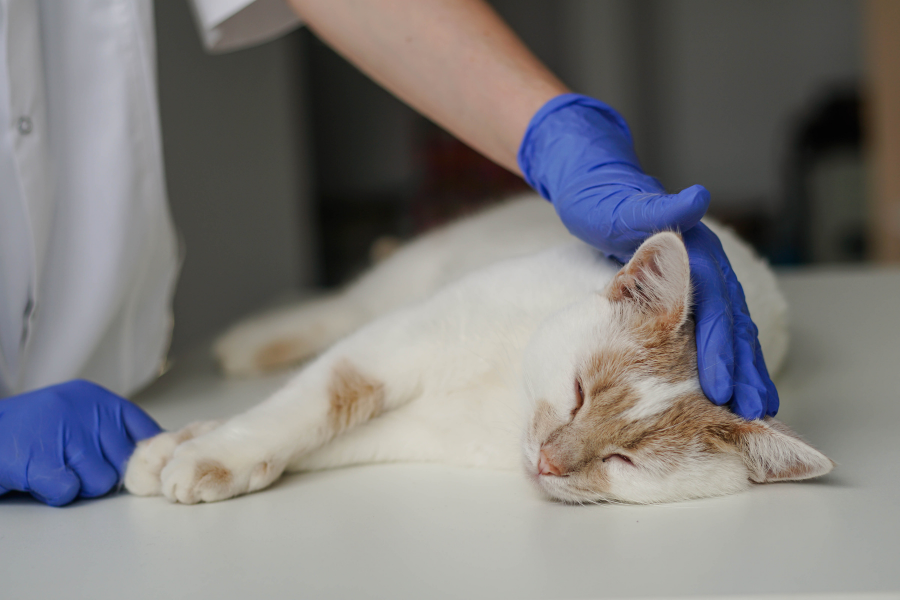
What Your Veterinarian May Check
Finding the cause of appetite loss often involves a thorough examination.
Your veterinarian may evaluate:
- Weight and hydration
- Temperature
- Heart and lung function
- Oral health
- Abdomen for pain or swelling
- Overall body condition
Additional diagnostic testing may be recommended depending on your pet’s symptoms.
These tests can help identify infections, organ disease, digestive problems, or other underlying conditions.
What You Should Do at Home
While waiting for your appointment, continue monitoring your pet closely.
Helpful steps include:
- Ensure fresh water is always available.
- Keep your pet comfortable and calm.
- Offer their regular food without forcing them to eat.
- Observe vomiting, diarrhea, coughing, or changes in behavior.
- Record when your pet last ate and drank.
Avoid offering human foods or giving over-the-counter medications unless instructed by your veterinarian.
Can You Wait Longer Than Two Days
In most situations, no. A pet that has stopped eating for 2 days should be examined by a veterinarian, even if they appear otherwise normal. Waiting longer may allow an underlying condition to worsen and make treatment more complicated.
Early diagnosis often leads to better outcomes and faster recovery.
How to Help Prevent Appetite Problems
Although not every illness can be prevented, healthy daily habits support your pet’s overall well-being.
These include:
- Feeding a balanced, consistent diet
- Providing fresh water every day
- Scheduling regular wellness examinations
- Monitoring changes in eating habits
- Keeping harmful objects out of reach
- Reducing unnecessary stress whenever possible
Recognizing changes in appetite early is one of the best ways to protect your pet’s health.
Conclusion
If your pet stopped eating for 2 days, don’t assume the problem will resolve on its own. Appetite loss can be an early warning sign of illness, pain, digestive problems, or other medical conditions that require urgent care. Paying close attention to changes in eating habits and seeking veterinary care when needed can make a significant difference in your pet’s recovery. If your pet refuses food for two days and you are searching for urgent pet care near you, then call us at 843-971-6200 or schedule an appointment at Cainhoy Veterinary Hospital in Charleston, SC, to schedule an examination as soon as possible.
FAQs
Q1: Is it an emergency if my pet hasn’t eaten for two days?
Yes. While some mild issues may resolve quickly, a pet that has not eaten for two days should be evaluated by a veterinarian to determine the underlying cause.
Q2: Why did my dog suddenly stop eating?
Dogs may stop eating because of digestive problems, dental pain, illness, injury, stress, or other medical conditions. A veterinary examination can help identify the cause.
Q3: Why is it dangerous if my cat doesn’t eat for two days?
Cats are particularly sensitive to prolonged appetite loss and can develop serious health complications if they go without food for an extended period.
Q4: Should I try changing my pet’s food if they won’t eat?
A sudden diet change is generally not recommended without veterinary guidance. If your pet refuses food for two days, it’s best to schedule an examination rather than repeatedly switching diets.
Q5: What information should I give my veterinarian?
Be prepared to share when your pet last ate, whether they are drinking water, any vomiting or diarrhea, changes in behavior, medications they take, and any recent changes at home or in their routine.