710 Hopewell Drive, Suite 102, Charleston, SC 29492


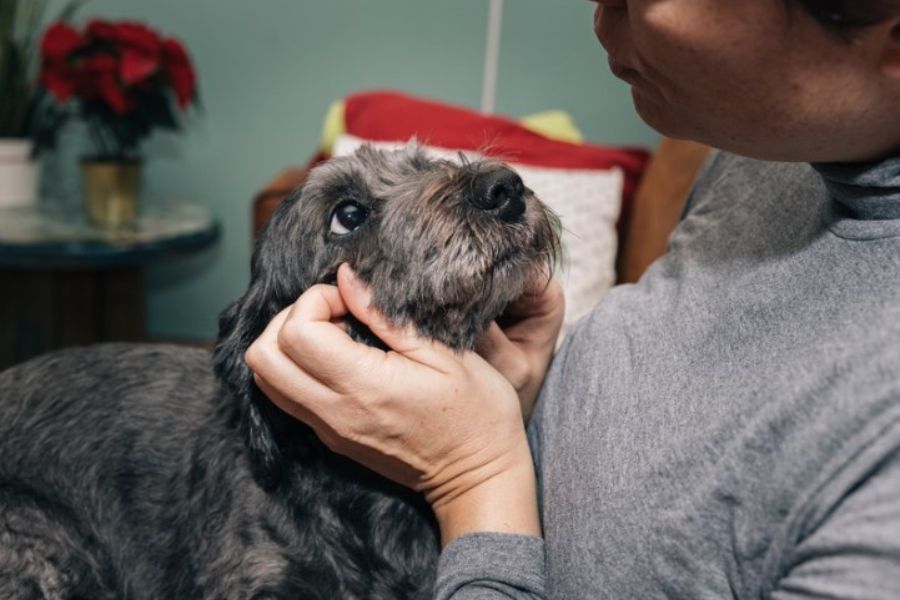
Does your dog start trembling the moment you pull into the parking lot? Does your cat yowl and hide under the carrier blanket as soon as the car starts moving? You are not alone. Vet visit anxiety in pets is one of the most common concerns pet owners share, and it can make routine care feel like a battle every single time. At Cainhoy Veterinary Hospital in Charleston, SC, our team sees anxious pets every day, and we want you to know that with the right approach, most pets can learn to feel a whole lot calmer about coming in. This guide walks you through why anxiety happens, what signs to look for, and what you can do before, during, and after each visit.
Why So Many Pets Feel Stressed at the Vet?
It helps to understand what your pet is actually reacting to. A veterinary clinic is a sensory overload for animals. There are unfamiliar smells from other animals and cleaning products, strange sounds from equipment and other patients, and the physical experience of being handled by someone they do not know well. For cats, especially, the smell of dogs in the waiting room can trigger a stress response before anyone has even touched them.
Past experiences play a big role, too. If your pet had a painful or frightening visit early in life, their brain has filed that memory away. Each new visit can trigger the same emotional response, even if nothing bad is happening this time. This is a learned fear, and it is very real.
Pet stress during veterinary visits is not just uncomfortable for your animal. Chronic stress can raise blood pressure, cause inaccurate test readings, and make it harder for your veterinarian to complete a thorough exam. Addressing it is not just about comfort. It is about getting your pet the best possible care.
Signs Your Pet May Be Experiencing Vet Visit Anxiety
Anxiety does not always look the same in every animal. Some pets are obviously distressed, while others show more subtle signs that are easy to miss. Knowing what to watch for helps you step in early.
Common signs in dogs:
- Excessive panting or drooling in the car or waiting room
- Trembling, cowering, or trying to hide behind you
- Refusal to walk through the clinic door
- Yawning repeatedly (a calming signal, not tiredness)
- Snapping, growling, or lunging when approached by staff
Common signs in cats:
- Loud, continuous vocalization in the carrier
- Hissing or swatting when touched
- Dilated pupils and flattened ears
- Refusing to come out of the carrier
- Eliminating the carrier during transport
A single one of these signs does not mean your pet has severe anxiety. But if you notice several together, or if the behavior is getting worse over time, it is worth having a conversation with your veterinarian about a plan to help.
What You Can Do at Home Before the Visit?
Here is where it gets practical. A lot of the work that reduces anxious dog behavior at the vet (and nervous cat behavior, too) happens days or even weeks before the appointment itself. Think of it as preparation rather than damage control.
Get Your Pet Comfortable with the Carrier
For cats and small dogs, the carrier is often the first trigger. Leave it out in your home between visits with a soft blanket and a few treats inside. Let your pet explore it on their own terms. Over time, the carrier stops being a symbol of something stressful and becomes just another piece of furniture.
Practice Short, Low-Stakes Car Rides
If your pet only rides in the car when going to the vet, the car itself becomes a stress signal. Take short trips to neutral places, like a drive around the block or a stop at a park, so your pet builds a more varied and positive association with travel.
Use Calming Aids When Appropriate
Several products can help take the edge off for nervous pets at the clinic. Pheromone sprays (like Feliway for cats or Adaptil for dogs) can be applied to the carrier or bandana before a visit. Some pets respond well to calming supplements containing ingredients like L-theanine or melatonin. Always check with your veterinarian before starting any supplement, especially if your pet is on other medications.
Feed a Light Meal Before the Visit
A full stomach can worsen nausea during car rides, which adds to overall stress. A small meal two to three hours before the appointment is usually a good middle ground, unless your vet has instructed you to fast your pet for a specific procedure.
How Fear-Free Veterinary Care Makes a Difference?
Fear-free veterinary care is an approach that has changed how many clinics handle anxious patients. The goal is to reduce or remove the fear, anxiety, and stress from every part of the visit, from the waiting room experience to how your pet is handled during the exam.
Practices that follow fear-free principles often use separate waiting areas for cats and dogs, non-slip mats on exam tables, and handling techniques that minimize restraint. Staff are trained to move slowly, speak softly, and use food rewards throughout the exam to build positive associations.
At a fear-free clinic, your veterinarian might pause mid-exam to let your pet sniff a treat or regroup if stress levels are rising. The visit takes a little longer, but the difference in how your pet feels and how cooperative they are is usually significant.
How to Calm a Cat at the Vet: Special Tips for Feline Patients?
Cats deserve their own section here because their anxiety often looks different from that of dogs, and the solutions are somewhat different, too. Learning how to calm a cat at the vet starts at home with a carrier your cat already trusts.
Cover the carrier with a light towel sprayed with Feliway during the drive. This limits visual stimulation and helps your cat feel more enclosed and secure. When you arrive, keep the carrier elevated off the floor if possible. Cats feel safer when they are not at ground level surrounded by unfamiliar smells and sounds.
During the exam, many cats do better when allowed to stay in the bottom half of their carrier rather than being lifted onto a cold table. A good veterinarian will work with your cat where your cat is comfortable, not where it is most convenient for the exam.
If your cat’s anxiety is severe, ask your vet about pre-visit pharmaceuticals. A mild oral sedative given at home before the appointment can make the entire experience far less traumatic for everyone involved.
Conclusion
Reducing anxiety about vet visits in pets is entirely possible with patience, preparation, and the right support. The biggest takeaways are simple: start working on anxiety long before the appointment, use the carrier and car rides as training opportunities, and never hesitate to talk to your veterinarian about what you are seeing at home. A good vet near you, like Cainhoy Veterinary Hospital in Charleston, SC, is here to help your pet feel safe, seen, and well cared for at every stage of their health journey. Call us today to book an appointment, and let us know upfront if your pet gets anxious.
Frequently Asked Questions
Q1: What is vet visit anxiety in pets, and why does it happen?
Ans: Vet visit anxiety in pets is a stress response triggered by the sights, sounds, and smells of a veterinary clinic, as well as physical handling by unfamiliar people. It often develops after a painful or frightening early experience, but some pets are simply more sensitive to new environments. The good news is that with the right preparation and a patient veterinary team, most pets can learn to feel significantly calmer over time.
Q2: How can I tell if my dog is anxious at the vet and not just excited?
Ans: Anxiety and excitement can look similar at first glance, but anxious dogs typically show signs like trembling, excessive drooling, whale-eye (showing the whites of their eyes), or attempts to escape or hide. Excited dogs are usually forward-moving and engaged. If your dog is pulling away from the door, panting heavily without physical exertion, or refusing treats they normally love, anxiety is likely the cause.
Q3: What calming options are available for pets before a vet visit?
Ans: Options range from at-home preparation (carrier training, short car rides) to pheromone sprays, calming supplements, and prescription pre-visit medications for more severe cases. The right choice depends on your pet’s level of anxiety and overall health. Talk to your veterinarian before starting any supplement or medication, as some can interact with other treatments or are not appropriate for pets with certain conditions.
Q4: How much does it cost to address pet anxiety at the vet?
Ans: Basic strategies like carrier training and pheromone sprays are low-cost or free. Over-the-counter calming supplements typically run between $15 and $40. Prescription anti-anxiety medications, if needed, will depend on your pet’s size and the specific drug recommended. In most cases, a conversation with your veterinarian about anxiety management can occur during a regular wellness visit at no additional cost.
Q5: When should I see a vet specifically about my pet’s anxiety?
Ans: If your pet’s anxiety is making it difficult to complete routine care, causing it to become aggressive during exams, or seems to be getting worse with each visit, it is time to have a dedicated conversation with your veterinarian. You should also seek help if your pet shows signs of anxiety outside the clinic, such as separation anxiety or fear of loud noises, as these can all be connected and benefit from a coordinated treatment plan.