710 Hopewell Drive, Suite 102, Charleston, SC 29492


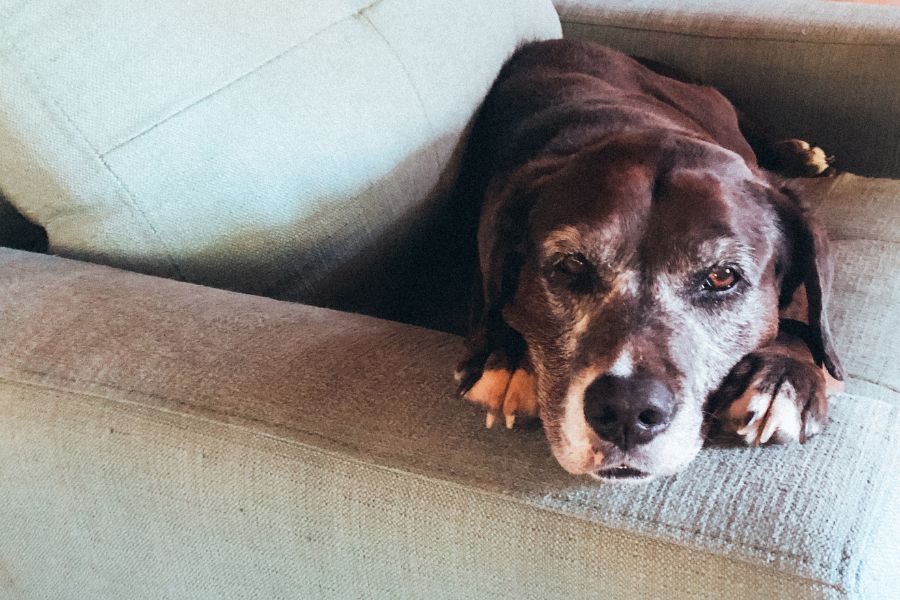
Most pet owners are surprised to learn that age 7 is considered the start of the senior years for both dogs and cats. One week your pet seems perfectly fine, and the next you notice they are a little slower on the stairs, sleeping more, or turning down playtime they used to love. These shifts can be easy to dismiss as “just getting older,” but in many cases, they are early signs that your pet’s health needs are changing. At Cainhoy Veterinary Hospital in Charleston, SC, we work with pet owners every day to help their aging companions stay comfortable and healthy well into their golden years. This checklist breaks down exactly what changes after age 7 and what you can do about it.
What “Senior” Really Means for Your Pet’s Health?
The word “senior” gets used loosely, but in veterinary medicine it carries specific meaning. For most dogs and cats, the biological aging process accelerates noticeably around age 7. Larger dog breeds may enter their senior years even earlier, sometimes as young as 5 or 6.
What makes this stage different from adulthood is not just slowing down. The body’s ability to recover, regulate, and repair itself begins to change. The immune system becomes less efficient. Organ function may gradually decline. Joints that once handled daily activity without complaint can become stiff or inflamed.
Understanding this shift is the first step in adjusting your care routine to match what your pet actually needs right now, not what worked when they were three years old.
Key Physical Changes to Watch For After Age 7
Recognizing the signs of aging early gives you the best chance of managing them well. These are the most common physical changes seen in older pets:
- Reduced activity and stamina — Your dog may not want to finish the same walk they used to power through. Your cat may skip the jump to their favorite perch.
- Weight changes — Some pets gain weight due to decreased activity; others lose weight because of reduced appetite or underlying health issues.
- Stiff or slow movement — Arthritis in dogs and cats is more common than most owners realize. Watch for hesitation getting up, limping after rest, or difficulty with stairs.
- Changes in coat or skin — Dull fur, increased shedding, or dry skin can signal nutritional gaps or hormonal shifts.
- Increased thirst or urination — These are often early signs of kidney disease, diabetes, or thyroid issues, all of which become more common with age.
- Changes in sleep patterns — Sleeping more during the day or becoming restless at night can point to pain, cognitive changes, or anxiety.
None of these changes should be written off as normal aging without a proper evaluation. Many are manageable with the right care plan.
How Does the Geriatric Pet Exam Become Your Best Tool?
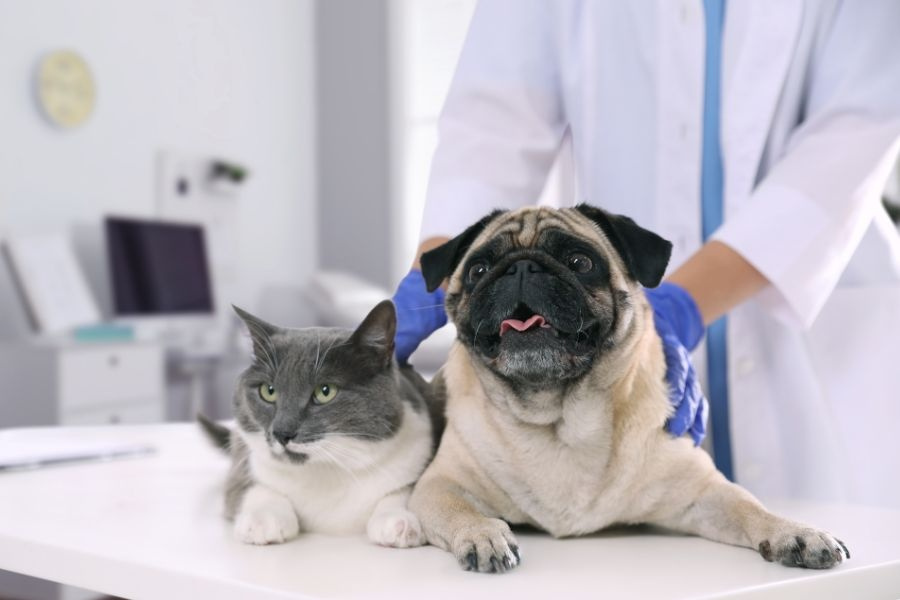
One of the most important adjustments in senior pet care is increasing the frequency of veterinary visits. Annual exams are fine for young, healthy pets. For pets over 7, most veterinarians recommend a geriatric pet exam every six months.
The reasoning is practical. A lot can change in six months for an older animal. Conditions like kidney disease, heart disease, and hyperthyroidism in cats often develop gradually, with few obvious symptoms until they are well advanced. Regular bloodwork and urinalysis can detect these problems early, when treatment options are broader, and outcomes are better.
A thorough older pet checkup typically includes a full physical assessment, blood panel, urine analysis, blood pressure check, dental evaluation, and a weight review. Your vet may also ask detailed questions about your pet’s behavior, appetite, sleep, and mobility, because these patterns often reveal what a physical exam alone cannot.
If your pet has not had a senior wellness exam yet, this is the most important item on this checklist.
Nutrition Adjustments for Aging Dogs and Cats
What worked for your pet at age 2 is not necessarily the right diet at age 9. Senior pet nutrition is a real, distinct category, and getting it right makes a meaningful difference in how your pet feels day to day.
For aging dogs:
Older dogs typically need fewer calories (especially if they are less active), but they still need high-quality protein to maintain muscle mass. Look for senior-formulated foods that are lower in fat but rich in lean protein. Omega-3 fatty acids, often found in fish oil supplements, support joint health and help manage inflammation.
For aging cats:
Senior cat wellness around nutrition is a bit different. Many older cats actually struggle to maintain weight and may need more protein-dense food, not less. Cats over 10 are often classified as “geriatric” and may benefit from highly digestible, moisture-rich diets, especially if kidney function is a concern.
In both cases, avoid making sudden dietary changes. Transition new foods gradually over 7 to 10 days to reduce digestive upset. And always check with your veterinarian before adding supplements, since some can interact with medications or underlying conditions.
Managing Arthritis and Mobility in Older Pets
Arthritis in dogs and cats is one of the most underdiagnosed conditions in veterinary medicine. Studies suggest that the majority of cats over 10 have some degree of joint degeneration, yet many owners never notice because cats are skilled at hiding discomfort.
Signs of arthritis in cats include reduced grooming, avoiding jumping, or using the litter box less (because climbing in and out is painful). In dogs, you might notice stiffness after rest, reluctance to go up stairs, or a change in gait.
Here is what actually helps:
- Weight management — Extra body weight puts direct stress on joints. Even a small reduction in weight can noticeably improve mobility.
- Environmental adjustments — Ramps instead of stairs, orthopedic beds, and raised food bowls reduce the physical demands placed on stiff joints.
- Veterinary-prescribed pain management — Never give human pain medications like ibuprofen or acetaminophen to pets. They are toxic. Your vet can recommend safe, effective options.
- Gentle, consistent exercise — Short, regular walks are better than occasional long ones for arthritic dogs.
Pain from arthritis does not have to be accepted as an inevitable part of pet health after age 7. With the right support, most pets can stay comfortable and mobile for years longer.
Cognitive Changes: When Your Pet Seems “Off”
Cognitive dysfunction in senior pets is a real condition, sometimes compared to early dementia in people. It goes by different names, but the signs are recognizable: confusion, getting “stuck” in corners, forgetting familiar routines, changes in social behavior, or staring blankly at walls.
This is not misbehavior, and it is not something your pet can control. If you notice these signs, bring them up at your next older pet checkup. There are dietary supplements, environmental enrichment strategies, and in some cases medications that can slow progression and improve quality of life.
Mental stimulation also plays a role. Puzzle feeders, short training sessions using positive reinforcement, and maintaining consistent daily routines all help keep aging minds engaged.
Why Pet Owners in Charleston Trust an Experienced Veterinary Hospital?
Aging pets need care that goes beyond the basics, and finding a team that understands their specific needs makes a real difference. At Cainhoy Veterinary Hospital in Charleston, SC, our approach to aging dog health and senior cat wellness is built around early detection, honest communication, and practical support that fits your pet’s actual lifestyle.
We help you understand what is changing, what to watch for at home, and how to adjust your care routine season by season as your pet gets older. Whether your pet is just crossing the age 7 threshold or well into their senior years, we are here to help them feel their best.
Conclusion
Senior pet care is not about doing more of the same thing. It is about doing the right things, with the right timing, for a body that has different needs than it did a few years ago. Twice-yearly geriatric pet exams, adjusted nutrition, joint support, and staying alert to behavioral changes are the cornerstones of good aging-dog health and senior-cat wellness. Small adjustments made early can add years of comfort and quality to your pet’s life. Reach out to a veterinarian near you, Cainhoy Veterinary Hospital in Charleston, SC, to schedule a senior wellness exam and get a personalized plan for your pet’s next chapter.
Frequently Asked Questions
Q1: What age is considered senior for dogs and cats?
Ans: Most dogs and cats are considered senior around age 7, though larger dog breeds may enter their senior years closer to age 5 or 6. Small dogs and cats often remain healthy well past 7 but still benefit from increased monitoring and adjusted care routines at this stage.
Q2: What are the early signs of aging in pets I should watch for?
Ans: Common early signs include reduced activity, stiffness after rest, changes in appetite or weight, increased thirst, and altered sleep patterns. Subtle behavioral shifts, like becoming less social or seeming confused, can also be early indicators of age-related changes that are worth discussing with your vet.
Q3: How often should senior pets see a veterinarian?
Ans: Veterinarians generally recommend a full geriatric pet exam every six months for pets over age 7. More frequent visits allow for earlier detection of conditions like kidney disease, heart issues, or arthritis, when they are easier to manage and treatment options are more effective.
Q4: How much does a senior pet wellness exam typically cost?
Ans: Costs vary depending on your location, the clinic, and what diagnostics are included, but a senior wellness visit with bloodwork and urinalysis typically ranges from $150 to $400. Catching a condition early almost always costs less in the long run than treating an advanced illness, making these visits a sound investment in your pet’s health.
Q5: When should I take my senior pet to the vet immediately?
Ans: Seek urgent care if your pet stops eating for more than 24 hours, shows sudden difficulty breathing, collapses or cannot stand, has severe vomiting or diarrhea, or appears to be in significant pain. In older pets, these symptoms can escalate quickly, so it is always better to call your vet and get checked out sooner rather than later.