710 Hopewell Drive, Suite 102, Charleston, SC 29492


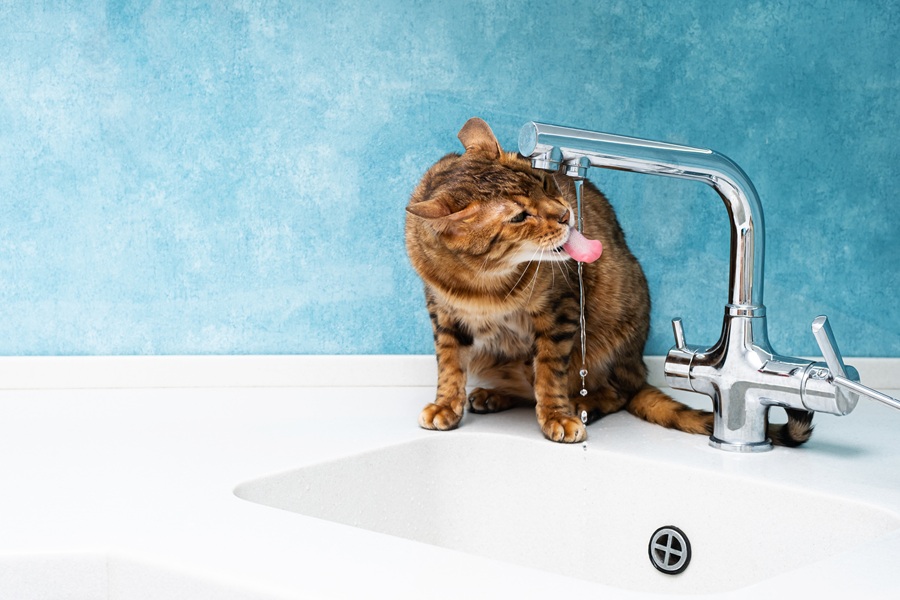
Clean, fresh water is one of the most essential needs for your furry family members. However, not every water source is created equal. While many pet parents rely on tap water, the question remains: is tap water truly safe for pets? Understanding the potential risks and benefits allows you to make the best decision for your dog or cat’s long-term health.
The Importance of Hydration for Pets
Just as humans need water to survive and thrive, pets depend on clean water for every aspect of their well-being. Hydration helps their bodies regulate temperature, aid digestion, lubricate joints, and flush toxins. When a pet doesn’t drink enough or consumes unsafe water, complications may arise, ranging from mild digestive problems to more serious organ concerns.
Because water intake is so closely tied to health, monitoring your pet’s water quality becomes just as important as keeping their food safe and nutritious.
What’s Really in Tap Water?
Many households use tap water daily without a second thought. Still, what runs out of your faucet may contain more than you realize. Hidden particles, chlorine, heavy metals, and even bacteria could be lingering in your tap. In small amounts, these substances may not harm humans, but pets often have more sensitive systems.
Even though municipal water systems test and treat water regularly, pets can react differently than people. Their smaller size and unique metabolisms make them vulnerable to contaminants that might otherwise go unnoticed.
Spotting the Red Flags in Water Safety
So, how can you tell if your home’s tap water may pose a risk to your pets? While water isn’t always easy to evaluate by appearance alone, there are warning signs that suggest it may need closer inspection.
- Persistent cloudy water or discoloration in the glass
- Strong chlorine-like odor or metallic taste
- Pets refusing to drink their water
- Digestive issues such as diarrhea after water consumption
- Sudden increase in urinary problems
When any of these signs appear consistently, it might be time to consider testing your home water for safety.
When to Seek Help from a Vet Hospital
If your pet develops strange health symptoms—such as vomiting, lethargy, or skin irritation—unsafe drinking water could be a hidden cause. Visiting a vet hospital is the fastest way to connect the dots. Veterinarians can run blood tests, check kidney and liver function, and evaluate whether toxins or minerals could be contributing to pet illness.
Since professional expertise is essential in uncovering subtle causes, a veterinarian in Charleston can provide peace of mind by ruling out dangerous conditions and suggesting safe alternatives, whether that includes filtered tap water, bottled water, or pet-specific filtration systems.
Easy At-Home Safety Solutions
Even before scheduling a professional check, pet owners can take proactive steps at home to improve tap water quality. With a few simple changes, you can reduce risks and encourage healthier hydration.
- Use a carbon filter or reverse osmosis system to reduce chlorine and metals
- Refill water bowls daily and wash them with soap and hot water
- Choose stainless steel or ceramic bowls to prevent bacterial growth
- Store pet water away from direct sunlight to avoid algae development
- Keep an eye on seasonal water reports from your municipality
Not only do these minor adjustments keep your pet healthier, but they also reduce the likelihood of hidden contaminants staying in your home water supply.
Long-Term Pet Wellness and Water Choices
Water safety is never something to think about once and then forget. Because environmental changes and water supply shifts can occur throughout the year, reviewing water habits regularly helps ensure ongoing safety. Regular visits to your veterinarian provide an opportunity to discuss hydration concerns, diet adjustments, and any underlying issues affecting water intake.
When you combine effective at-home water management with consistent wellness checkups at a vet hospital in Charleston, your pet gains the best chance to live an active, healthy, and worry-free life.
FAQs About Tap Water for Pets
Q1. Can my pet drink tap water every day?
Ans. Yes, in most households tap water is safe. However, if water has high chlorine levels, heavy metals, or contamination, it may affect your pet’s health.
Q2. Should I use bottled water instead of tap water?
Ans. Bottled water may be an option, but filtered tap water often provides a safer and more sustainable choice for daily hydration.
Q3. How do I know if water is making my pet sick?
Ans. Look for recurring vomiting, diarrhea, decreased appetite, or refusal to drink tap water. A veterinarian can confirm the cause through diagnostics.
Q4. Do cats and dogs have different water needs?
Ans. Yes. Cats are often more sensitive to taste and odor in water, while dogs generally drink more and may be exposed to greater contaminants.
Q5. Can hard water affect pets?
Ans. Hard water may cause urinary issues in some pets, especially cats. Using a water softener or filter can prevent these problems.
Q6. When should I take my pet to the vet for water-related issues?
Ans. If your pet shows ongoing signs like lethargy, urinary changes, or gastrointestinal distress, schedule a visit to a vet hospital promptly.
Conclusion: Safe Sips, Healthy Pets
Your furry companions rely on you to provide fresh and safe hydration daily. Tap water may be convenient, but a simple safety check ensures it doesn’t create unnecessary risks. By paying attention to subtle changes, taking advantage of filters, and consulting professionals like a trusted veterinarian, you can protect your pet’s health while offering peace of mind for yourself.
Clean, safe water is more than a basic need—it’s a foundation for the joyful, thriving life your pet deserves.