710 Hopewell Drive, Suite 102, Charleston, SC 29492


Your pet’s first veterinary checkup is a significant milestone that lays the foundation for a lifetime of good health. Whether you’ve just brought home a new puppy, kitten, or adopted an adult pet, knowing what happens during that first visit can ease anxiety for both you and your furry friend. This step-by-step guide explains what to expect during a first vet checkup, how to prepare, and why early veterinary care is so important for pets.
Why the First Vet Checkup Is So Important
A first vet checkup is all about understanding your pet’s overall health and preventing problems before they start. Early exams help veterinarians catch issues that may not be visible at home and give pet parents guidance on nutrition, behavior, and daily care.
Key benefits of an early veterinary visit include:
- Establishing a health baseline for your pet
- Detecting hidden health concerns early
- Creating a personalized care plan
- Building trust between your pet and the vet
Pets may also face local risks such as parasites, seasonal allergies, and heat-related issues, making early vet care even more essential.
When Should You Schedule a First Vet Checkup?
Timing matters when it comes to your pet’s first veterinary visit.
- Puppies and kittens: Ideally, within the first week of bringing them home
- Adopted adult pets: As soon as possible, even if they seem healthy
- Senior pets: Immediately after adoption or transfer of care
Scheduling early helps ensure your pet is protected from common illnesses and starts on the right preventive care plan.
How to Prepare for Your Pet’s First Vet Visit
A little preparation can make the first vet checkup smoother and less stressful.
Before your appointment:
- Bring any adoption or breeder paperwork
- Note changes in eating, drinking, or behavior
- Bring a stool sample if requested
- Use a secure carrier or leash
- Bring treats or a favorite toy for comfort
Preparing questions in advance can also help you get the most out of your visit.
Step-by-Step: What Happens During a First Vet Checkup
Step 1: Check-In and Medical History
The visit usually starts with gathering basic information. The veterinary team will ask about:
- Your pet’s age, breed, and background
- Diet and feeding schedule
- Activity level and behavior
- Previous medical history (if available)
This information helps tailor care to your pet’s specific needs.
Step 2: Nose-to-Tail Physical Examination
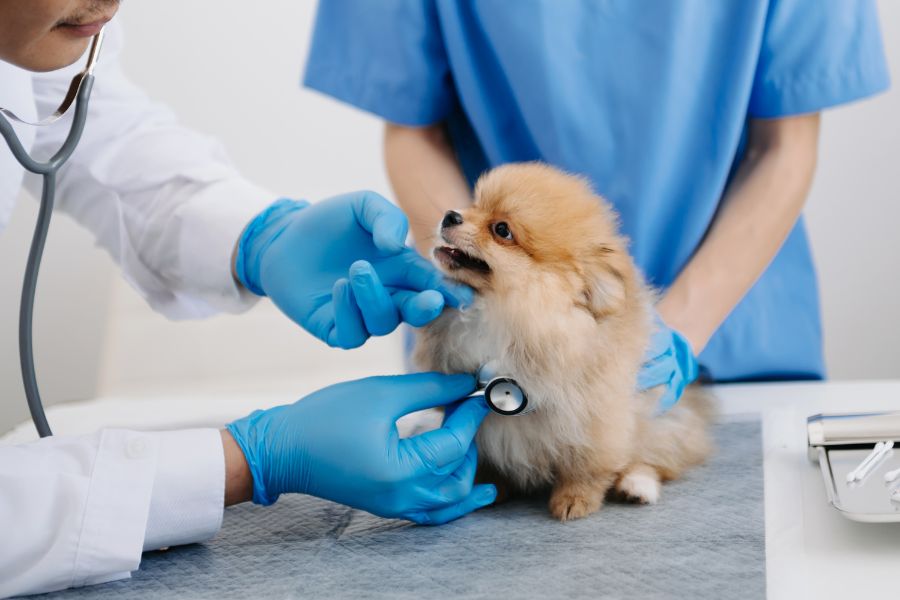
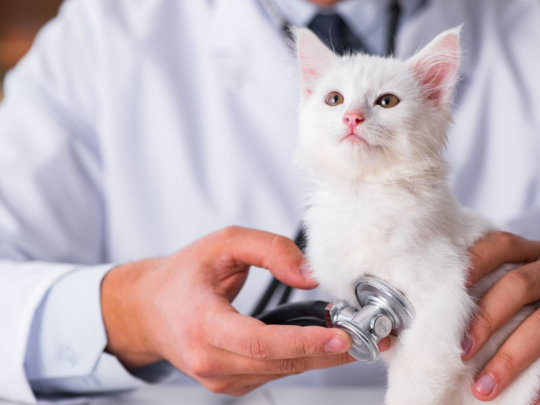
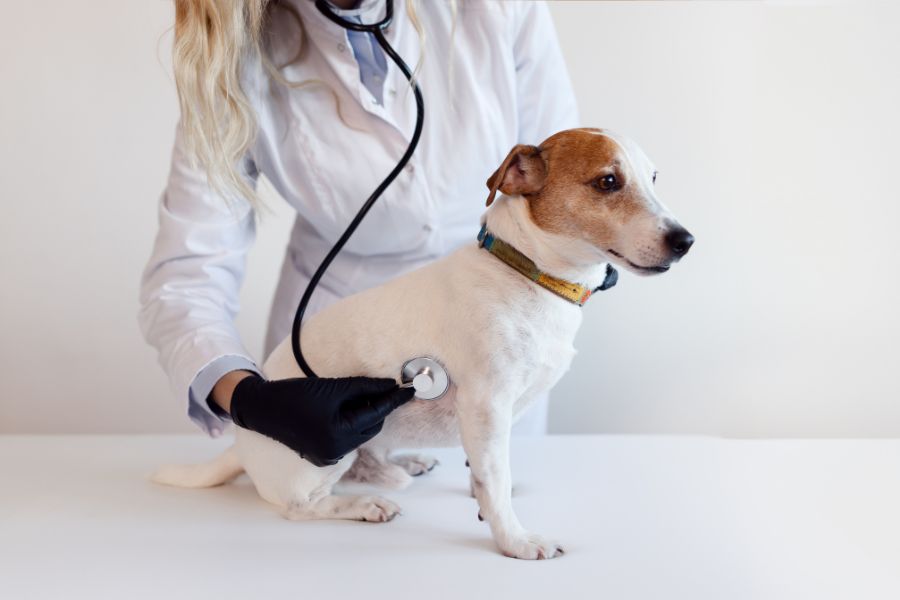
A full physical exam is the core of the first vet checkup. Your veterinarian will gently examine your pet from head to tail, checking:
- Eyes, ears, and mouth
- Skin and coat condition
- Heart and lung sounds
- Abdomen and joints
- Weight and body condition
This exam helps identify early signs of infections, dental issues, or developmental concerns.
Step 3: Vaccination Review and Recommendations
Vaccinations protect your pet from serious and contagious diseases. During the first visit, your vet will:
- Review any existing vaccine records
- Recommend age-appropriate core vaccines
- Discuss optional vaccines based on lifestyle
Pets in Charleston may need additional protection due to outdoor exposure and warm weather that supports parasites year-round.
Step 4: Parasite Screening and Prevention
Parasite control is a major focus during a first vet checkup. Your vet may recommend testing or prevention for:
- Fleas and ticks
- Heartworms
- Intestinal parasites
These parasites are common in South Carolina, and prevention is often easierand safer than treatment.
Step 5: Nutrition and Feeding Guidance
Every pet has unique nutritional needs based on age, breed, and activity level. Your veterinarian will discuss:
- Appropriate food types and portions
- Treat recommendations
- Weight management tips
This is a great time to ask questions about homemade diets, supplements, or food sensitivities.
Step 6: Behavior and Training Discussion
Behavior questions are very common during first vet visits. Your vet may offer advice on:
- House training or litter box habits
- Chewing, scratching, or barking
- Socialization and anxiety
Early guidance can prevent small issues from becoming long-term behavior problems.
Step 7: Diagnostic Testing (If Needed)
Not all pets need testing during their first visit, but some may benefit from:
- Fecal exams
- Bloodwork
- Heartworm testing
These tests provide a deeper look at your pet’s internal health and establish baseline values for future comparison.
Step 8: Preventive Care Plan and Next Steps
Before the visit ends, your vet will outline a preventive care plan that may include:
- Vaccine schedules
- Parasite prevention
- Spay or neuter recommendations
- Follow-up appointments
This plan helps you stay on track with your pet’s health needs.
How Long Does a First Vet Checkup Take?
Most first vet checkups last 30 to 60 minutes, depending on your pet’s age and needs. Puppies and kittens may require more time due to vaccinations and education.
How to Help Your Pet Feel Comfortable at the Vet
Many pets feel nervous during their first visit. You can help by:
- Staying calm and relaxed
- Offering treats and praise
- Bringing familiar items from home
- Scheduling appointments during quieter hours if possible
Positive early experiences can reduce fear of future vet visits.
Common Concerns Pet Owners Have During a First Vet Checkup
It’s normal to feel unsure about your pet’s first veterinary appointment. Common concerns include:
- Will my pet be scared?
- Are vaccines safe?
- How much will the visit cost?
- What if something serious is found?
Your veterinarian is there to answer questions and guide you through every step with compassion and clarity.
Choosing the Right Veterinary Hospital
Finding a trusted local veterinarian in Charleston is an important part of your pet’s care. Look for a clinic that:
- Takes time to explain findings
- Focuses on preventive care
- Understands local health risks
- Makes both pets and owners feel comfortable
Establishing pet care early at a reputable clinic like Cainhoy Veterinary Hospital helps ensure continuity of care as your pet grows.
Conclusion
A first vet checkup is one of the most important steps you can take as a pet parent. From physical exams and vaccinations to nutrition and behavior guidance, this initial visit sets the stage for a healthy future. By knowing what to expect and preparing ahead of time, you can make the experience positive and stress-free for your pet. If you’re ready to schedule your pet’s first veterinary visit in Charleston, contact Cainhoy Veterinary Hospital today to give your furry companion the best start possible.
FAQs
Q1: What should I bring to my pet’s first vet checkup?
Bring medical records, adoption paperwork, a list of questions, and any requested samples like stool.
Q2: How much does a first vet checkup usually cost?
Costs vary based on exams, vaccines, and tests, but most clinics explain pricing upfront.
Q3: Do indoor pets really need a first vet visit?
Yes, indoor pets still need exams, vaccines, and parasite prevention to stay healthy.
Q4: Will my pet get shots at the first vet checkup?
Most pets receive age-appropriate vaccines unless records show they’re already up to date.
Q5: How often should my pet see the vet after the first visit?
Most pets need annual wellness exams, while puppies and kittens require more frequent visits early on.