710 Hopewell Drive, Suite 102, Charleston, SC 29492


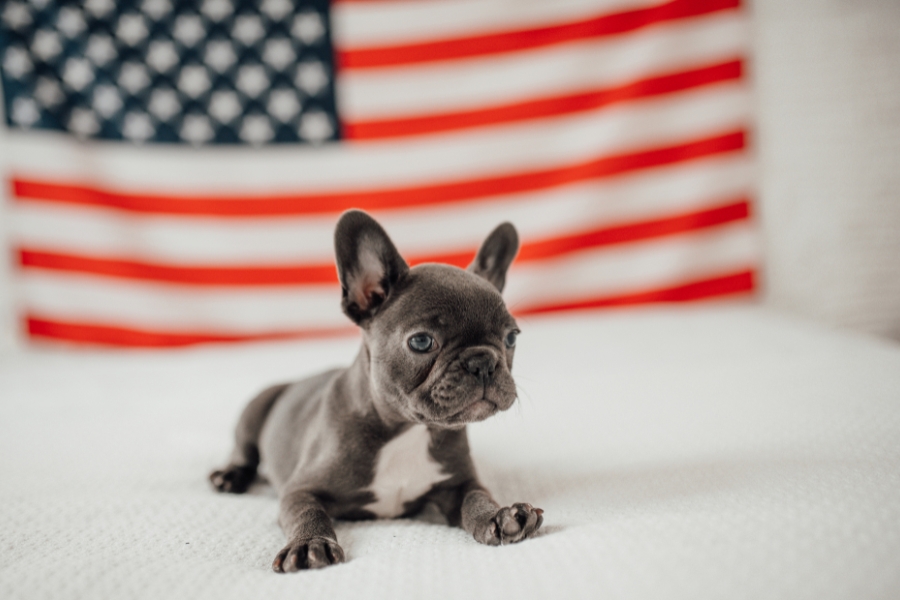
The Fourth of July is a time of celebration, filled with fireworks, barbecues, and glowing lights that bring us joy. But for our pets, it can be a dangerous and overwhelming experience. While loud firework booms are a well-known stressor for animals, less obvious dangers lurk in seemingly harmless items like glow sticks, sparklers, and the debris left behind after the festivities.
This article explores the lesser-known risks these items pose to pets, focusing on ingestion hazards, burn injuries, and the importance of thorough post-firework cleanup. We’ll also highlight how preparation ahead of time is essential to keeping your furry family members safe during Independence Day celebrations.
The Bright but Dangerous Appeal of Glow Sticks
Glow sticks are a popular, inexpensive way to light up the night. Children and adults alike wear them as necklaces, bracelets, or toss them into the yard for fun. Unfortunately, pets often find them just as intriguing. Cats and dogs are especially attracted to chewable, brightly colored objects, making glow sticks an unexpected hazard.
Ingestion Risks
Glow sticks contain dibutyl phthalate, a bitter-tasting chemical that can cause excessive drooling, mouth irritation, and vomiting if punctured or ingested. While it’s usually not fatal, the experience is distressing for both pets and owners. Dogs may paw at their mouths or whimper, while cats might foam at the mouth or become temporarily disoriented.
Preventive Tip
Keep glow sticks out of reach, especially from pets that like to chew. Dispose of used or cracked glow sticks immediately, and avoid leaving them unattended on tables or patios.
Sparklers: Pretty But Potent Burn Hazards
Sparklers may seem safer than large fireworks, but they burn at temperatures exceeding 1,200°F (649°C)—hot enough to melt metal. When waved around in excitement or left to burn out on the ground, they can cause serious burns to curious pets that get too close.
How Pets Get Burned
Pets might step on still-hot wires or try to investigate fallen sparklers with their noses or paws. Dogs, in particular, can get too close while playing or running near children using sparklers. Burns on paw pads, noses, or mouths can be very painful and lead to infections.
Safety Advice
Create a clear, pet-free zone during sparkler use. Always supervise children with sparklers and have a bucket of water nearby to safely extinguish them. Dispose of used sparklers immediately and safely.
Post-Fireworks Debris: A Minefield for Pets
Debris-Related Ingestion Risks
Firework residue can contain toxic chemicals like potassium nitrate, heavy metals, and sulfur. Ingesting this debris—even in small amounts—can cause gastrointestinal distress, chemical burns, or poisoning. Symptoms include vomiting, diarrhea, tremors, and in severe cases, seizures
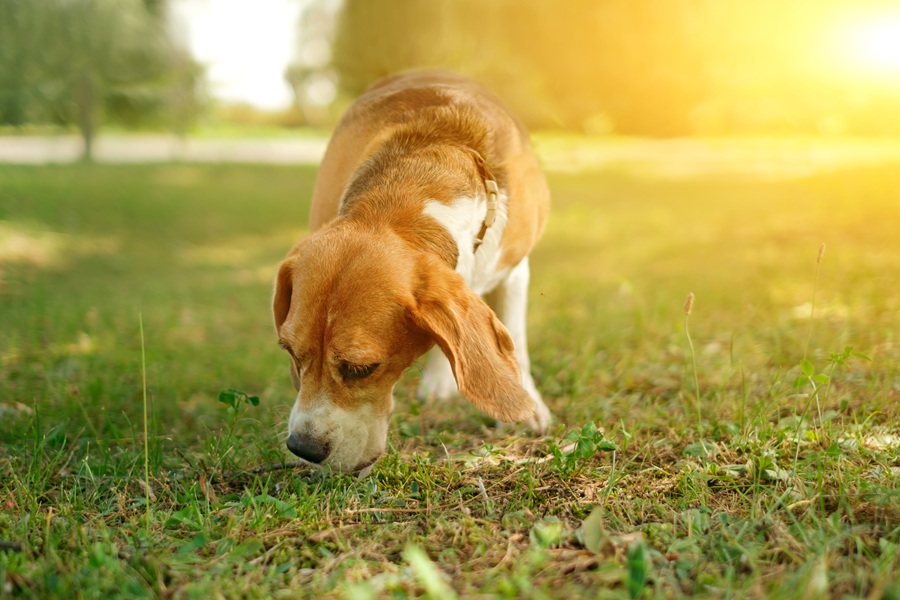
The day after fireworks, your backyard or neighborhood can be littered with debris—charred paper, spent casings, wires, and ash. These items may not seem dangerous, but for a dog sniffing the grass or a cat exploring the yard, they pose a minefield of potential hazards.
Burn Residue Exposure
Even after cooling, firework debris can irritate your pet’s skin or paws. Some particles may still retain residual heat, posing burn risks. Inhalation of ash or powder residue can also cause respiratory irritation.
Clean-Up Essentials
After the celebration ends, thoroughly inspect and clean your yard and surrounding areas before allowing pets to roam freely. Pick up any leftover sparklers, firework casings, or plastic glow stick parts. This post-event cleanup is essential to prevent accidental contact or ingestion.
Plan Ahead: Preparation is Your Best Defense
The key to a safe Fourth of July for your pets is preparation ahead of time. Begin several days before the holiday by creating a calm and secure environment indoors.
What You Can Do:
- Create a pet-safe room with their bed, toys, and soft music to drown out loud booms.
- Stock up on pet-safe calming aids (e.g., pheromone diffusers, anxiety wraps, vet-approved sedatives).
- Inform guests and children about keeping glow sticks and sparklers away from pets.
- Double-check your fencing or gates in case of escape attempts during loud firework displays.
When to Call the Vet
Despite your best efforts, accidents can still happen. If you suspect your pet has ingested glow stick liquid, stepped on a sparkler, or chewed on firework debris, contact your veterinarian or an emergency pet clinic immediately.
Look for These Warning Signs:
- Excessive drooling or mouth foaming
- Vomiting or diarrhea
- Whimpering, limping, or pawing at the face
- Lethargy or disorientation
- Burns or visible mouth/foot injuries
Prompt attention can make all the difference in your pet’s recovery.
While glow sticks and sparklers add festive flair to your Fourth of July, they can quickly turn a fun night into a trip to the emergency vet if pet safety isn’t a priority. By understanding the hidden dangers—from chemical ingestion to thermal burns and toxic debris—you can take steps to protect your pets.
Advance Preparation, active supervision, and thorough next-day cleanup are essential to ensure everyone—two- and four-legged—enjoys a safe and happy celebration.