710 Hopewell Drive, Suite 102, Charleston, SC 29492


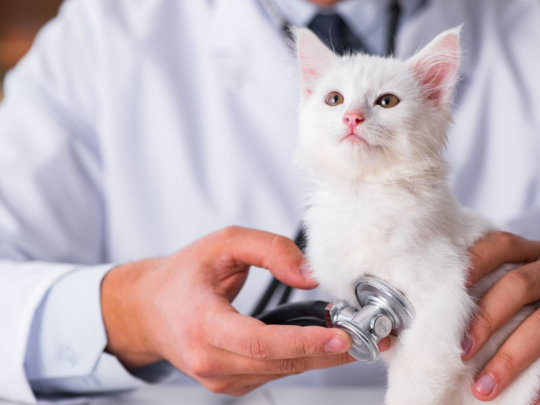
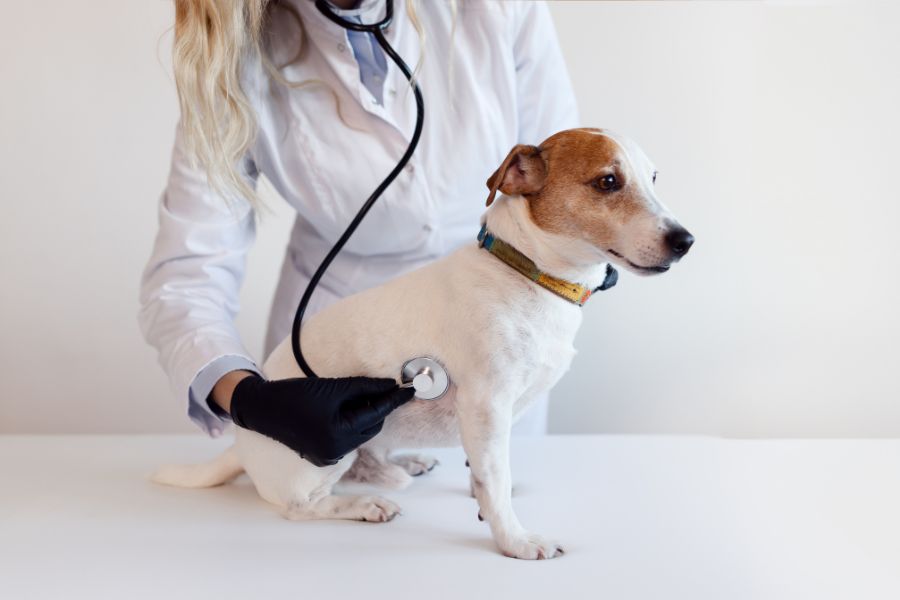
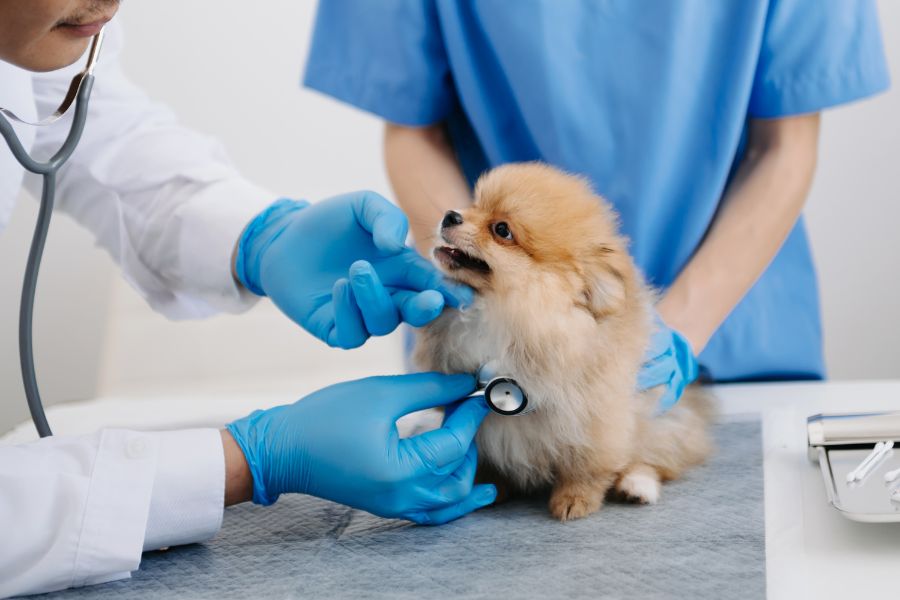
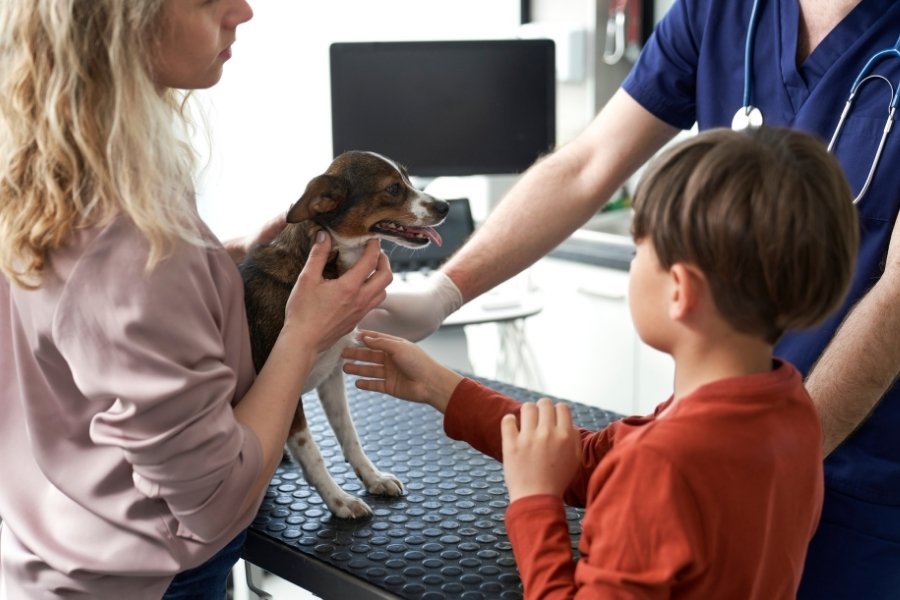
A trip to the vet can be stressful for pets and owners alike. Proper preparation ensures your pet feels safe, reduces anxiety, and allows the veterinary team at Charleston animal hospital to provide the best care possible. By planning ahead, you can anticipate your pet’s needs and address potential challenges before they arise. This preparation is crucial for creating a calm, efficient, and positive experience for both you and your furry friend.
Scheduling Your Appointment Wisely
Timing matters when visiting the vet. Choose a slot when your pet is usually calm and not overly hungry or tired. Early morning or late afternoon appointments can help avoid crowded waiting rooms, reducing stress for your pet. Additionally, confirming your appointment ahead of time and updating the clinic about any recent health changes ensures the team at animal hospital is fully prepared to meet your pet’s needs.
Packing Essentials for a Stress-Free Visit
Bringing the right items can make a significant difference. Pack your pet’s vaccination records, medications, and any recent test results. A leash, carrier, or favorite blanket provides comfort during travel and while waiting. Including treats or toys can help distract and reward your pet, turning a potentially stressful visit into a more positive experience. Being well-prepared also allows the veterinary team to focus on care instead of handling last-minute concerns.
Preparing Your Pet Mentally and Emotionally
Pets are highly sensitive to human emotions. Staying calm and positive helps your furry friend feel safe. Practice short trips in the car or simulate clinic visits to acclimate them to the experience. Gradually introducing them to handling, like gentle ear checks or paw touches, can make examinations less intimidating. These small steps build trust and confidence, ensuring your pet arrives at pet hospital relaxed and cooperative.
Communicating Clearly with the Veterinary Team
Open communication with your vet is essential. Make a list of questions or concerns beforehand, including behavioral changes, appetite, or unusual symptoms. Providing detailed information allows the veterinary team to tailor care to your pet’s specific needs. Remember, no question is too small—your vet is there to guide you in keeping your pet healthy and happy.
Managing Post-Visit Recovery at Home
After the visit, monitor your pet for any unusual behavior, such as lethargy, vomiting, or changes in appetite. Follow your vet’s instructions for medications or special care. Offering comfort, a quiet resting space, and familiar routines helps your pet recover from the stress of the visit. Positive reinforcement with treats or affection also encourages good behavior during future trips to animal hospital.
Establishing a Routine for Regular Visits
Regular checkups are key to preventing health issues and catching problems early. Creating a routine for veterinary visits reduces anxiety over time. Consistent scheduling, familiar travel routines, and positive reinforcement help your pet associate vet trips with care rather than fear. Regular visits to Charleston animal hospital support long-term health and strengthen the bond between you and your pet.
FAQs About Visiting Animal Hospital
1. How can I reduce my pet’s anxiety before a vet visit?
Gradual acclimation to travel, positive reinforcement, and familiar items like blankets or toys help reduce anxiety.
2. What should I bring to my pet’s appointment?
Bring vaccination records, medications, recent test results, a leash or carrier, and comfort items like toys or treats.
3. How do I communicate my concerns effectively to the vet?
Prepare a list of questions, note any behavioral changes, and provide a thorough medical history to ensure clear communication.
4. How often should I schedule checkups?
Most pets benefit from annual exams, but your vet may recommend more frequent visits based on age or health conditions.
5. What should I do if my pet shows stress during the visit?
Remain calm, use gentle reassurance, and distract with treats or toys. Inform the vet so they can adjust handling techniques.
6. Are there special considerations for senior pets?
Senior pets may need extra support, slower handling, and more frequent monitoring to ensure their comfort and safety during visits.
Final Thoughts on Preparing Your Pet
A visit to Pet hospital doesn’t have to be stressful. Thoughtful preparation, clear communication, and positive reinforcement make the experience smoother for both you and your pet. By anticipating your pet’s needs and following these practical tips, you create a calm and safe environment that supports their health and well-being. Preparing ahead ensures every trip to the vet strengthens your bond and contributes to a happier, healthier pet.
Curious about finding the perfect care for your furry friend? Check out our blog, Choosing the Right Charleston Animal Hospital: 10 Questions for Pet Owners, and make sure your pet gets the best care possible!