710 Hopewell Drive, Suite 102, Charleston, SC 29492


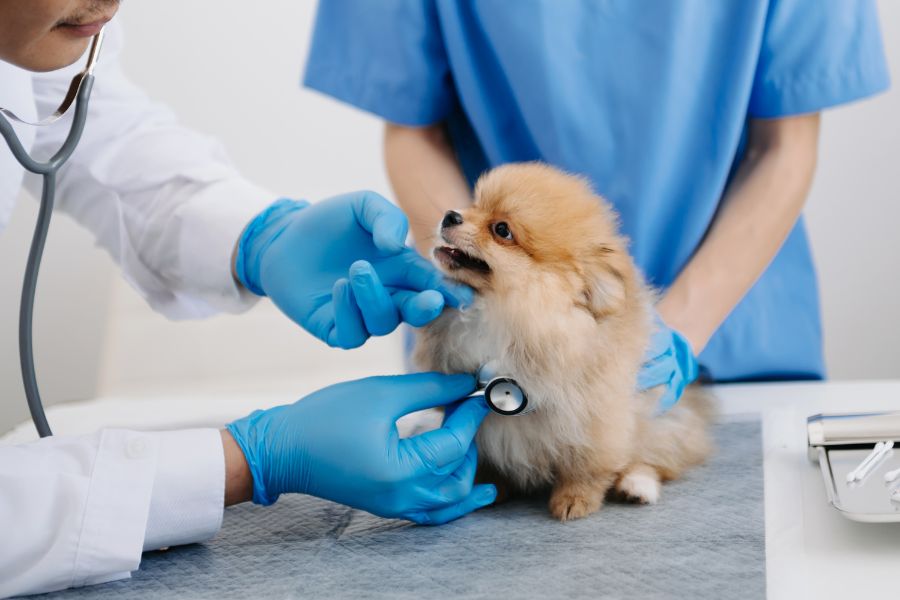
In this new year is the perfect time to refresh your pet’s daily care routine and build healthier habits that last all year long. Whether you have a playful puppy, senior dog, curious kitten, or independent cat, small changes can make a big difference in their overall well-being. In this guide, we’ll cover eight easy pet care habits you can start today to support long-term health, happiness, and preventive care, especially for pet owners in Charleston.
Why Starting a New Pet Care Routine Matters
When routine preventive care is delayed, pet health issues can quietly develop over time. In this New Year provides an ideal opportunity to evaluate feeding habits, veterinary visit schedules, and lifestyle choices that directly influence your pet’s long-term health and comfort.
A consistent routine helps:
- Reduce stress and anxiety in pets
- Detect health issues earlier
- Improve behavior and training outcomes
- Extend your pet’s lifespan
By focusing on simple, sustainable habits, you set your pet up for a healthier year ahead.
1. Establish a Consistent Feeding Schedule
One of the most important pet care habits is maintaining a regular feeding routine. Feeding your pet at the same time each day supports digestion, stabilizes energy levels, and helps prevent obesity.
Best practices for healthy feeding:
- Measure portions to avoid overfeeding
- Choose age-appropriate, vet-recommended food
- Avoid excessive table scraps
- Monitor appetite changes
In warmer coastal climates, pets may experience appetite changes during seasonal shifts, making consistency even more important.
2. Prioritize Daily Exercise and Mental Stimulation
Regular physical activity is essential for maintaining a healthy weight, strong joints, and good mental health. Dogs benefit from daily walks, while cats need interactive play to stay engaged.
Easy ways to increase activity:
- Schedule daily walks or playtime
- Use puzzle feeders and enrichment toys
- Rotate toys weekly to prevent boredom
- Encourage indoor cats to climb and explore
Exercise is also one of the most effective ways to reduce destructive behaviors and anxiety in pets.
Read more about How Does Exercise Impact a Dog’s Physical and Mental Health
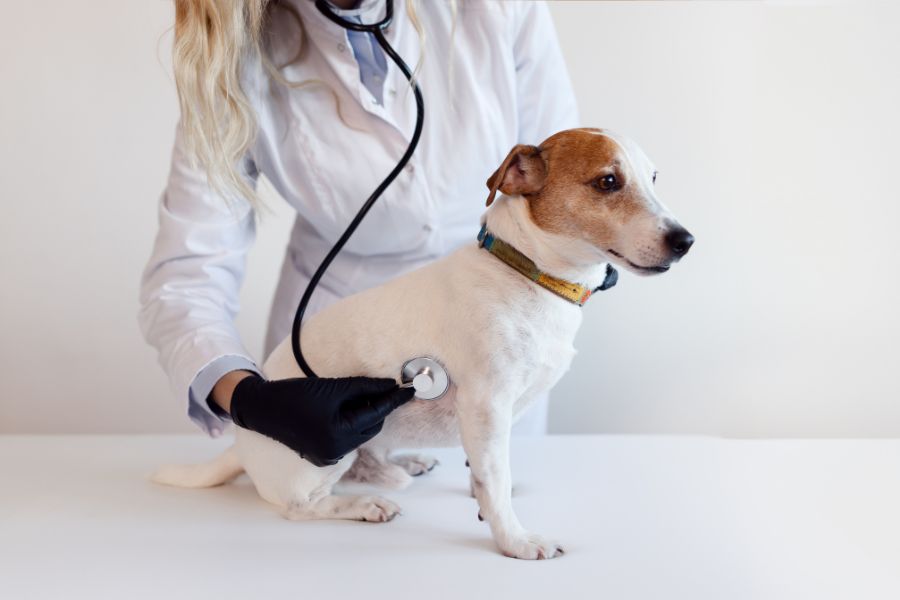
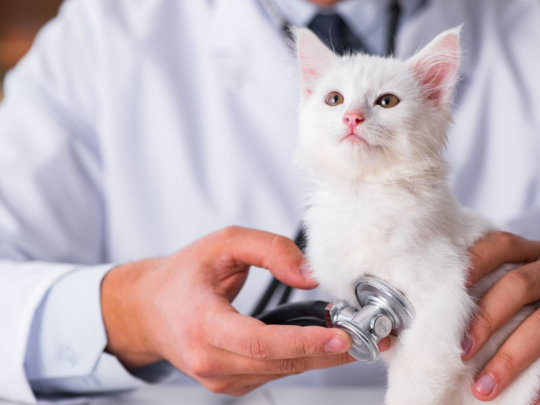
3. Make Preventive Veterinary Care a Priority
Preventive veterinary care is the foundation of lifelong pet health. Annual wellness exams allow veterinarians to detect issues early, often before symptoms become noticeable.
Preventive care typically includes:
- Physical exams
- Vaccinations
- Parasite prevention
- Bloodwork and diagnostics as needed
Routine checkups are especially important in the Lowcountry, where fleas, ticks, and heartworms are prevalent year-round.
4. Stay Consistent With Flea, Tick, and Heartworm Prevention
Parasite prevention is not seasonalit’s a year-round necessity. Fleas and ticks thrive in humid environments, and heartworm disease is a serious, potentially fatal condition.
Smart prevention habits:
- Give monthly preventives on schedule
- Set reminders on your phone or calendar
- Use products recommended by your veterinarian
- Check your pet regularly for ticks after outdoor activity
Consistent prevention is safer and more affordable than treating parasite-related illnesses.
5. Build a Simple Dental Care Routine
Dental disease is one of the most common health problems in pets, yet it’s often overlooked. Poor oral health can lead to pain, tooth loss, and infections that affect the heart, liver, and kidneys.
Easy pet dental care habits:
- Brush your pet’s teeth several times per week
- Offer dental chews or toys
- Watch for signs like bad breath or gum redness
- Schedule professional dental cleanings when advised
Starting small and staying consistent makes dental care manageable and effective.
6. Create a Calm, Predictable Daily Routine
Pets thrive on structure. A predictable routine reduces stress, supports better behavior, and helps pets feel secure in their environment.
Try to keep consistency with:
- Feeding times
- Walks and play sessions
- Sleep schedules
- Training and enrichment activities
This is especially beneficial for puppies, senior pets, and animals prone to anxiety.
7. Keep a Pet Health Record
Tracking your pet’s health may seem unnecessary until it’s not. Keeping a simple record helps identify patterns and provides valuable information during veterinary visits.
What to track:
- Weight changes
- Appetite and energy levels
- Medications and preventives
- Behavioral changes
- Vet visit dates
Even brief notes can help your nearest veterinarian make more accurate recommendations.
Local Pet Care
Living in Charleston comes with unique pet care responsibilities. High humidity, warm temperatures, and outdoor lifestyles increase exposure to parasites and allergens.
Charleston pet owners should:
- Avoid midday walks during peak heat
- Ensure constant access to fresh water
- Use year-round parasite prevention
- Monitor pets closely after beach or marsh outings
Partnering with a local veterinary team that understands regional risks ensures your pet receives tailored, effective care. Cainhoy Veterinary Hospital serves Charleston-area pets with a strong focus on preventive wellness and long-term health planning.
Conclusion:
You don’t need a complete lifestyle overhaul to improve your pet’s health, just a few intentional habits practiced consistently. From daily exercise and dental care to preventive vet visits and parasite protection, these small changes can significantly impact your pet’s quality of life.
If you’re ready to start this New Year with a healthier routine for your pet, schedule a wellness appointment today and get personalized guidance tailored to your pet’s age, breed, and lifestyle.
Frequently Asked Questions
Q1: What is the most important daily habit for pet health?
Ans: Consistency in feeding, exercise, and preventive care is the foundation of long-term pet health.
Q2: How often should my pet see a veterinarian?
Ans: Most pets should have at least one wellness exam per year, while seniors or pets with medical conditions may need more frequent visits.
Q3: Is flea and tick prevention really necessary year-round?
Ans: Yes, the warm and humid climate allows parasites to thrive throughout the year.
Q4: How can I tell if my pet needs dental care?
Ans: Signs include bad breath, difficulty eating, pawing at the mouth, or red, swollen gums.
Q5: What’s an easy way to remember pet care tasks?
Ans: Setting digital reminders or keeping a simple pet health journal helps you stay consistent with care routines.