710 Hopewell Drive, Suite 102, Charleston, SC 29492


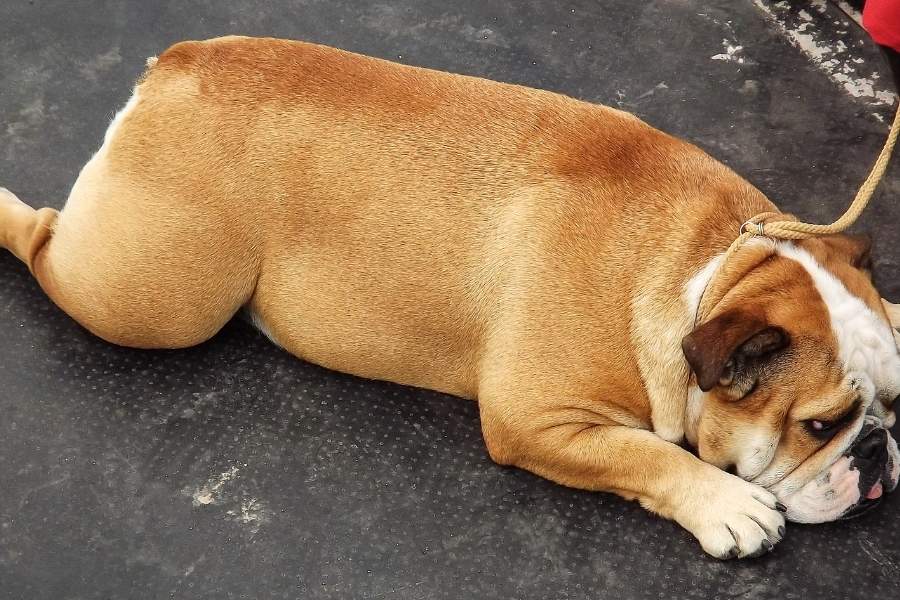
If your dog is carrying extra pounds, you are not alone. Many pups in the U.S. struggle with weight gain due to overfeeding, lack of exercise, or high-calorie diets. While those extra treats may seem harmless, they can lead to serious health issues such as diabetes, arthritis, and heart disease. The good news is that with proper nutrition and guidance from a trusted vet, your dog can slim down and live a longer, happier life.
Why Your Dog’s Weight Matters
Just like humans, dogs thrive when their weight is within a healthy range. Extra pounds can make everyday activities like running, climbing stairs, or even walking uncomfortable. More importantly, overweight dogs face a higher risk of chronic diseases. Investing in the right diet and regular vet care in Charleston ensures your furry friend stays active, comfortable, and healthy for years to come.
Veterinary Guidance: The First Step
Before choosing any new food, it’s essential to schedule an appointment with a veterinarian pet parents trust. A professional will evaluate your dog’s overall body condition, discuss lifestyle habits, and recommend tailored food options. Moreover, a pet care expert will monitor progress and adjust feeding plans along the way. This professional input is the foundation of effective weight management.
Top Dog Food Options for Overweight Pups

High-Protein, Low-Fat Diets
One of the most effective approaches is feeding your dog a diet rich in lean protein but low in fat. High-protein foods keep muscle strong while reducing excess body fat. This type of nutrition also makes dogs feel full, preventing constant begging for extra snacks.
Fiber-Rich Formulas
Fiber plays a big role in weight management because it helps dogs stay satisfied longer. Foods with added fiber can reduce calorie intake while still giving a sense of fullness. Look for formulas labeled “weight-control” or “healthy weight” as these often include extra fiber sources.
Prescription Weight-Management Diets
In more severe cases, your Charleston vet may prescribe a specialized weight-management food. These formulas are scientifically balanced to reduce calories without compromising nutrients. They also often contain L-carnitine, an ingredient that supports fat metabolism.
Limited Ingredient Options
For dogs with sensitive stomachs, limited ingredient diets can be a great choice. They minimize unnecessary fillers and focus on digestible proteins and wholesome grains, keeping the calorie content reasonable.
Portion Control: The Hidden Secret
Even with the best formula, portion size makes all the difference. Pet owners often overfeed without realizing it. Measuring food correctly and sticking to a feeding schedule helps control calorie intake. Combining this with regular exercise recommended by your veterinarian enhances results dramatically.
The Role of Pet Preventative Care
Weight management ties directly into pet preventative care Charleston clinics emphasize. Regular checkups, dietary assessments, and tailored advice from your vet ensure your dog does not slip back into unhealthy habits. Preventative care lowers the risk of weight-related conditions and improves your pet’s quality of life.
Holistic Support: Beyond the Bowl
Food alone is not enough. In addition to diet, dogs need regular activity. Short walks multiple times a day, play sessions in the backyard, or puzzle toys that make them “work” for treats can boost calorie burn. Combined with a balanced diet, these habits create a sustainable and healthy lifestyle for your pet.
Final Thoughts
Helping your dog lose weight may seem overwhelming, but with the right food, consistent monitoring, and the guidance of a caring vets, success is within reach. Choose high-quality foods, maintain portion control, and focus on preventative care to ensure your furry companion stays around for many joyful years.
FAQs
Q1. What is the best type of food for overweight dogs?
Ans. High-protein, low-fat, and fiber-rich foods are often the best choices. Your veterinarian may also recommend prescription diets tailored for weight loss.
Q2. Should I stop giving treats if my dog is overweight?
Ans. Not entirely, but you should switch to low-calorie treats or use healthy options like baby carrots. Always factor treat calories into the daily allowance.
Q3. Can exercise replace diet control for weight loss in dogs?
Ans. No. Exercise is important, but portion control and diet have the most significant impact on weight management.
Q4. How do I know if my dog is overweight?
Ans. If you cannot easily feel your dog’s ribs without pressing hard, or if they lack a visible waistline, they may be overweight. Always confirm with a veterinarian.
Q5. How quickly should my dog lose weight?
Ans. Weight loss should be gradual—typically 1–2% of body weight per week is safe. Your vet will help track progress.
Q6. Do senior dogs need different weight-control foods?
Ans. Yes. Senior pets often need lower-calorie diets with added nutrients to support joint and organ health. Seek advice from your Charleston vet before switching.


