710 Hopewell Drive, Suite 102, Charleston, SC 29492


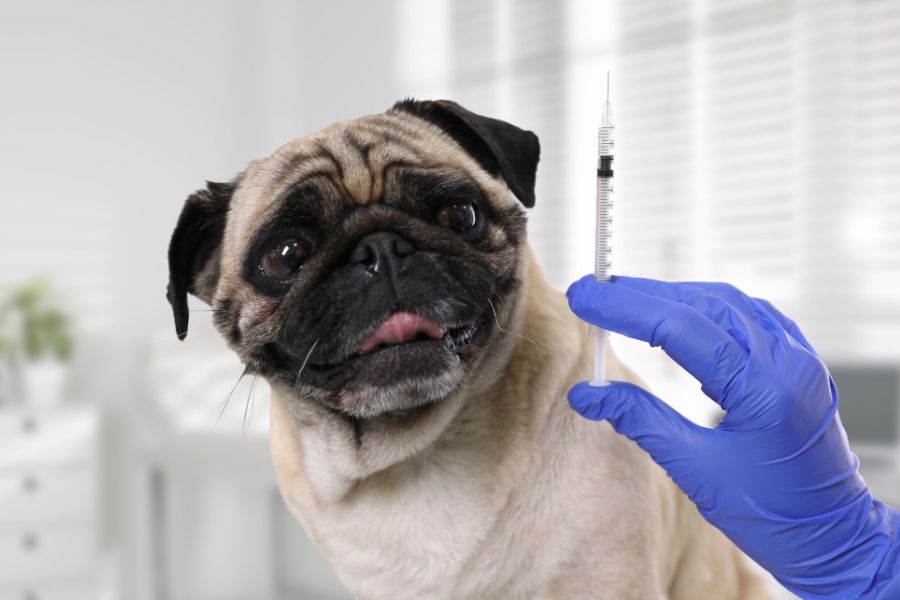
Bringing a new puppy home is exciting, but keeping them healthy requires proper vaccination. A well-planned puppy vaccination schedule protects your furry friend from dangerous diseases and sets the foundation for a long, healthy life. In this guide, we’ll outline a comprehensive puppy vaccine schedule, including essential puppy booster shots, tips for preventive care for puppies, and insights from veterinarians to help your puppy thrive in their first year.
Why Vaccinations Are Crucial for Your Puppy
Vaccinations are the cornerstone of keeping puppies safe from serious and potentially fatal diseases. Young puppies are particularly vulnerable because their immune systems are still developing. Without vaccines, diseases like parvovirus, distemper, and rabies can quickly become life-threatening.
Proper vaccination also benefits your puppy by:
- Building immunity against common and dangerous diseases
- Reducing veterinary costs from preventable illnesses
- Protecting your family and community from zoonotic diseases (diseases that can transfer from pets to humans)
Veterinary hospitals in Charleston, like Cainhoy Veterinary Hospital, emphasize that vaccination is just the first step in a broader preventive care plan for puppies, which ensures healthy growth and development throughout the first year.
Core Puppy Vaccines and Their Schedule
A puppy vaccine schedule is structured to gradually expose your puppy to important antigens while their immune system is still developing. Puppies cannot rely solely on maternal antibodies, which fade over time, so multiple rounds of vaccination are required.
6–8 Weeks: First Round of Core Vaccines
At this age, puppies are ready for their first vaccines, often called the “starter” series.
- DHPP (Distemper, Hepatitis, Parvovirus, Parainfluenza): Protects against severe viral illnesses that can be fatal if left unchecked.
- Bordetella (Optional, depending on exposure risk): Recommended if your puppy will interact with other dogs, such as at daycare or training classes.
- Initial wellness exam: Your vet will also check for congenital issues, weight, and overall health.
10–12 Weeks: Second Round
The second round strengthens immunity developed from the first vaccines.
- DHPP booster: Ensures stronger and longer-lasting protection.
- Leptospirosis (Optional): Recommended for puppies exposed to wildlife or standing water, a common risk in the Charleston, SC area.
- Bordetella booster: If started previously.
14–16 Weeks: Final Core Vaccines
By this stage, your puppy receives their final core vaccines for the first year.
- DHPP final booster: Provides comprehensive protection against major viral illnesses.
- Rabies vaccine: Required by law in South Carolina and critical for public safety.
- Optional vaccines, such as Lyme disease, especially if your puppy spends time in wooded or grassy areas.
12–16 Weeks: Optional Vaccines
Depending on your puppy’s lifestyle, your veterinarian may recommend additional protection:
- Canine Influenza vaccine: For dogs that frequently socialize, travel, or attend boarding facilities.
- Coronavirus vaccine: Mainly for multi-dog households or kennels.
- Leptospirosis booster: If high-risk environmental exposure continues.
Each vaccine is selected to match the puppy’s exposure risk and local disease prevalence, making the puppy vaccine schedule both safe and effective.
Understanding Puppy Booster Shots
Booster shots are critical to maintain immunity after the initial vaccines. Puppies require a series because a single dose may not provide full protection.
How boosters work:
- Vaccines stimulate the immune system to produce antibodies.
- Repeated doses “train” the immune system to respond effectively to real infections.
- After the first year, most dogs continue with annual boosters or a three-year schedule, depending on the vaccine.
Practical tips for boosters:
- Maintain a vaccination record and bring it to every vet visit.
- Use reminders for upcoming booster appointments.
- Observe your puppy for mild reactions, such as soreness or lethargy, and contact your vet if severe symptoms occur.
Integrating Vaccinations into Holistic Preventive Care
Vaccines are only one component of comprehensive preventive care for puppies. A healthy puppy routine includes:
- Regular wellness exams: Monitor growth, weight, and overall health.
- Parasite prevention: Flea, tick, and heartworm prevention are crucial, especially in Charleston’s warm climate.
- Nutrition and exercise: High-quality puppy food and structured play help develop strong bones and muscles.
- Socialization and training: Exposure to people, pets, and environments reduces behavioral issues later in life.
A preventive care plan that includes vaccinations ensures your puppy grows healthy, resilient, and well-adjusted.
Managing Puppy Vaccinations Stress-Free
Puppy vaccinations can be stressful, but there are ways to make each visit safe and comfortable:
- Schedule appointments during calm periods to avoid overstimulation.
- Bring familiar items like a blanket or favorite toy to comfort your puppy.
- Use positive reinforcement — treats, praise, and cuddles after each visit.
- Monitor for side effects — mild swelling or temporary fatigue is normal; severe reactions require immediate veterinary attention.
Veterinarians in Charleston emphasize that stress-free visits improve your puppy’s cooperation and make the vaccination process smoother.
Common Puppy Vaccination Myths
There are many misconceptions about puppy vaccines. Here’s the truth:
- Myth: Puppies get all immunity from their mother.
Fact: Maternal antibodies fade, and multiple vaccines are necessary for complete protection. - Myth: Vaccines are dangerous for small breeds.
Fact: Vaccines are generally safe for all breeds, and your vet can tailor doses if needed. - Myth: Once vaccinated, my puppy never needs boosters.
Fact: Boosters are essential to maintain immunity and prevent disease.
Understanding the science behind vaccines helps you make informed decisions for your puppy’s health.
What Your Veterinarian Suggests
Your veterinarian is the best resource for planning a safe and effective puppy vaccine schedule. Vets will:
- Customize vaccines based on your puppy’s breed, health, and lifestyle.
- Advise on optional vaccines like Lyme, Bordetella, and influenza.
- Track booster schedules to ensure no doses are missed.
- Guide overall preventive care for puppies, including nutrition, parasite prevention, and wellness exams.
Establishing a strong relationship with your vet early makes it easier to manage your puppy’s health throughout their life.
Conclusion
Following a vet-approved puppy vaccination schedule is crucial to protect your new furry family member from preventable diseases. From core vaccines like DHPP and rabies to puppy booster shots and optional vaccines, each step ensures your puppy develops strong immunity during their critical first year. Combining vaccinations with a holistic preventive care plan for puppies, including wellness exams, parasite control, nutrition, and socialization, sets the foundation for a long, healthy life.
Book an appointment with Cainhoy Veterinary Hospital today to start your puppy on a safe, healthy path and keep their tail wagging for years to come.
FAQs
Q1: When should my puppy receive their first vaccinations?
Ans: Puppies typically receive their first DHPP vaccine at 6–8 weeks, starting a structured puppy vaccine schedule.
Q2: How many booster shots does a puppy need in the first year?
Ans: Most puppies require 3–4 puppy booster shots, including DHPP and rabies, to ensure full immunity.
Q3: Are optional vaccines necessary for all puppies?
Ans: Core vaccines are essential, while optional vaccines depend on your puppy’s lifestyle and exposure risk, such as boarding, travel, or outdoor activity.
Q4: Can vaccines cause side effects in puppies?
Ans: Mild reactions like soreness or lethargy are common, but severe reactions are rare. Always consult your vet if unusual symptoms occur.
Q5: How do vaccinations fit into preventive care for puppies?
Ans: Vaccines are a key component of preventive care for puppies, which also includes wellness exams, parasite control, nutrition, and behavioral socialization.