710 Hopewell Drive, Suite 102, Charleston, SC 29492


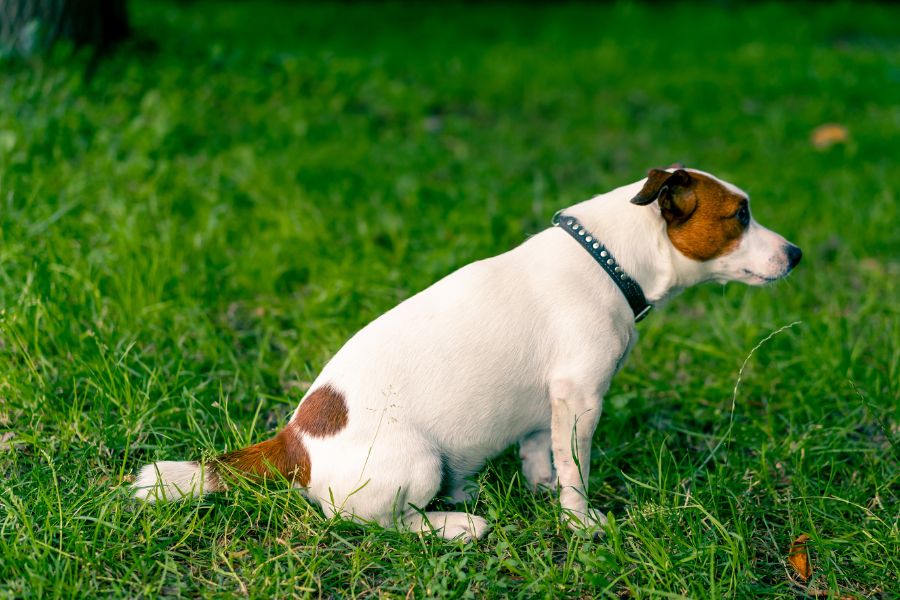
Dog UTIs are a common but preventable issue that can cause serious discomfort for your furry friend. In this guide, we’ll cover 10 vet-approved strategies to prevent dog UTIs, recognize early signs of dog UTI, and maintain your pet’s urinary health. Follow these tips and ensure regular diagenetic care can keep your dog healthy, happy, and free from painful infections.
What Is a Dog UTI and Why Does It Matter?
A dog UTI, or pet urinary tract infection, occurs when bacteria enter the urinary tract, causing inflammation and discomfort. These infections can affect the bladder, kidneys, or urethra. Dogs of all ages can develop UTIs, but females are particularly prone due to their shorter urethras, which allow bacteria to enter more easily.
Dog bladder infections can range from mild to severe. Mild cases may cause frequent urination or accidents, while severe infections can lead to kidney damage, systemic illness, or chronic bladder problems. Recognizing early signs of dog UTI is essential for timely treatment and preventing complications.
UTIs can also be secondary to other health issues such as diabetes, bladder stones, or hormonal imbalances. That’s why routine diagnostic care plays a vital role in maintaining urinary tract health and overall well-being.
Common Signs of Dog UTI
Early detection is key to preventing dog bladder infections from worsening. Watch for these signs of dog UTI:
- Frequent urination: Your dog may ask to go outside more often or strain in small amounts.
- Accidents indoors: Even house-trained dogs may start urinating inside.
- Blood in the urine: This is a red flag that needs immediate veterinary attention.
- Straining or painful urination: Your dog may whine or appear uncomfortable.
- Excessive licking: Dogs often lick their genital area to relieve irritation.
- Behavior changes: Lethargy, irritability, or loss of appetite can indicate discomfort.
1. Ensure Your Dog Drinks Enough Water
Proper hydration is the foundation of dog UTI prevention. Water helps flush out bacteria and reduces the likelihood of infection. Dogs should have constant access to clean, fresh water.
Tips for promoting water intake:
- Place multiple water bowls around your home.
- Use a pet water fountain to encourage drinking.
- Offer ice cubes during hot weather to entice hydration.
Older dogs or those prone to urinary issues may benefit from wet food or broths, which increase overall fluid intake.
2. Maintain a Balanced Diet
Feeding a nutritious diet is crucial for overall health and dog bladder infection prevention. High-quality dog food supports immune function, reduces inflammation, and maintains urinary tract health.
Consider these dietary tips:
- Choose diets formulated for urinary health or bladder support.
- Limit high-sodium treats, as excess salt may irritate the urinary tract.
- Incorporate fiber-rich foods to support digestion and prevent obesity, which can indirectly affect urinary health.
Consult your nearest veterinarian about the best food plan for your dog, especially if they have a history of UTIs.
3. Encourage Frequent Bathroom Breaks
Dogs that hold urine for long periods are more susceptible to pet urinary tract infections. Frequent elimination prevents bacterial buildup in the bladder.
- Puppies and senior dogs need more frequent breaks due to smaller bladders or weaker control.
- Active dogs may benefit from outdoor potty breaks every 4–6 hours.
- Keep a consistent schedule to reduce stress and accidents.
Regular bathroom habits are a simple yet effective way to prevent infections.
4. Keep the Genital Area Clean
Hygiene plays a significant role in dog UTI prevention, especially for female dogs. Bacteria can accumulate around the genital area, leading to infections.
- Wipe your dog’s genital area gently after walks, playtime, or bathroom trips.
- Check for redness, swelling, or discharge that may indicate irritation.
- Grooming longer-haired breeds can prevent hair from trapping bacteria and moisture.
Cleanliness reduces exposure to bacteria and promotes comfort for your dog.
5. Avoid Moist Bedding
Moist environments promote bacterial growth, which increases the risk of dog bladder infections.
- Wash bedding regularly with pet-safe detergent.
- Ensure bedding dries completely after washing.
- For water-loving dogs, dry their underbelly and paws after playtime.
A dry, clean sleeping area supports urinary tract health and overall hygiene.
6. Monitor for Early Symptoms
Regular observation is vital for early UTI detection. Monitor urination patterns, behavior, and appetite for subtle changes.
- Keep a log of bathroom habits, noting frequency, volume, and accidents.
- Watch for licking, straining, or signs of discomfort.
- Report unusual symptoms to your veterinarian promptly.
Early intervention can prevent a simple UTI from progressing into a serious kidney infection.
7. Provide Supplements if Recommended by Your Vet
Certain supplements may support urinary health. Cranberry extract, for example, may reduce bacterial adherence to the urinary tract, while probiotics help maintain a healthy gut and immune system.
- Always consult your veterinarian before adding supplements.
- Dosage varies depending on your dog’s size, age, and health history.
- Some supplements work best in combination with diet and hydration strategies.
If you are a dog owner in Charleston and notice any of these symptoms, visit Cainhoy Veterinary Hospital. Your vet can guide you on safe and effective supplements.
8. Schedule Routine Vet Checkups
Regular diagnostic exams are key for dog UTI prevention. Routine urine analysis, blood tests, and wellness visits help detect urinary issues early.
- Dogs prone to UTIs may require more frequent checkups.
- Kidney function and bladder health can be monitored proactively.
- Early detection reduces the risk of chronic infections and expensive treatments.
Routine care is the best defense against recurring UTIs and other urinary complications.
9. Avoid Irritants
Chemical and environmental irritants can trigger urinary tract inflammation.
- Use pet-safe cleaning products in areas your dog frequents.
- Avoid scented litter, harsh soaps, or lawn chemicals.
- Monitor outdoor environments for potential irritants during walks or playtime.
Reducing exposure to irritants helps maintain a healthy urinary tract.
10. Maintain a Healthy Weight and Exercise
Obesity increases the risk of urinary problems by placing extra pressure on the bladder and reducing immunity.
- Provide regular exercise tailored to your dog’s age and breed.
- Manage portion sizes and avoid overfeeding treats.
- Keep a consistent schedule for walks, playtime, and mental stimulation.
A healthy weight supports dog bladder health, overall fitness, and reduces UTI recurrence.
Conclusion
Preventing dog UTIs is possible with proper hydration, nutrition, hygiene, and regular diagnostic care. By observing early signs of dog UTI and following these 10 vet-approved strategies, you can keep your dog comfortable, happy, and healthy. Schedule a dog health checkup at Cainhoy Veterinary Hospital to ensure your pet’s urinary tract remains strong and resilient. Remember, proactive care is always better than treatment. Protecting your furry friend today prevents pain tomorrow.
FAQs
Q1: How can I tell if my dog has a UTI?
Ans: Look for frequent urination, accidents, blood in urine, straining, and excessive licking. Early detection prevents serious complications and promotes quick recovery.
Q2: Are female dogs more prone to UTIs than males?
Ans: Yes, female dogs’ shorter urethras allow bacteria to reach the bladder more easily, making infections more common compared to male dogs.
Q3: Can diet really prevent dog UTIs?
Ans: A balanced diet, proper hydration, and urinary-supportive foods reduce bacterial buildup, support immunity, and can help prevent bladder infections.
Q4: How often should I bring my dog for urinary checkups?
Ans: Annual wellness exams are standard, but dogs prone to UTIs may benefit from semi-annual diagnostic care visits for early detection.
Q5: Are supplements like cranberry extract effective for UTI prevention?
Ans: Cranberry and probiotics may help prevent bacterial adhesion in the urinary tract, but consult your veterinarian before starting any supplement routine.