710 Hopewell Drive, Suite 102, Charleston, SC 29492


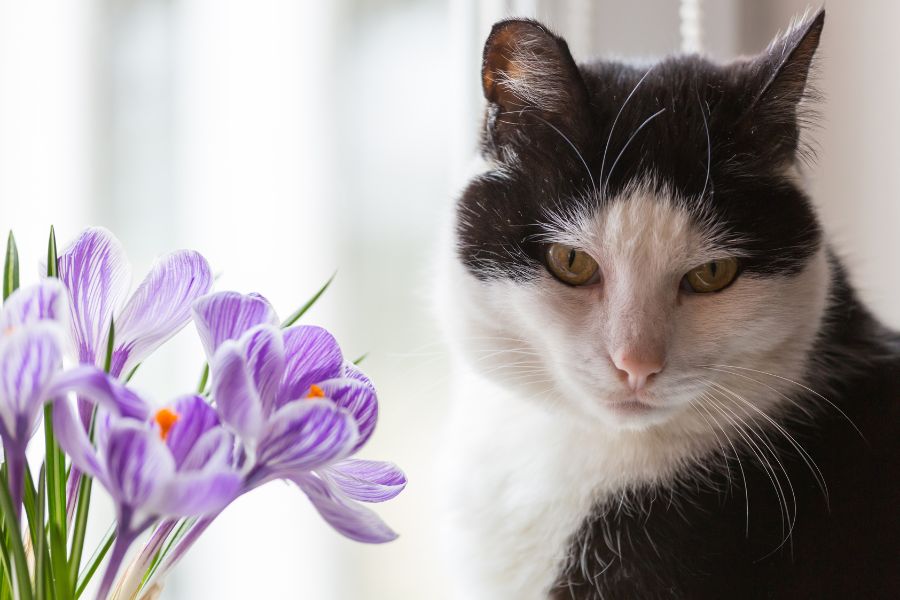
Lily poisoning in cats is one of the most serious plant-related emergencies veterinarians see. Even small exposures, such as licking pollen or drinking water from a vase containing lilies, can cause severe kidney damage in cats. Because symptoms may appear quickly and progress rapidly, immediate veterinary care is critical.
In this guide, we will explain lily poisoning in cats, including the most common symptoms, how veterinarians diagnose and treat the condition, and practical steps you can take to keep your cat safe at home. If you are a cat owner, understanding the risks of lilies could save your pet’s life.
What Is Lily Poisoning in Cats?
Lily poisoning in cats occurs when a cat ingests or comes into contact with certain types of lilies that are extremely toxic to felines. Unlike many plants that cause mild stomach upset, lilies can trigger acute kidney failure in cats, even with minimal exposure.
Cats may be exposed in several ways, including:
- Chewing on lily leaves or petals
- Licking pollen from their fur
- Drinking water from a vase containing lilies
- Brushing against pollen and grooming it off later
Even a tiny amount of pollen can lead to lily toxicity in cats, which is why veterinarians consider lily exposure a medical emergency.
Which Lilies Are Poisonous to Cats?
Many plants called “lilies” are dangerous, but a few specific varieties are highly toxic to cats.
Common lilies poisonous to cats include:
- Easter lilies
- Tiger lilies
- Daylilies
- Asiatic lilies
- Japanese show lilies
These lilies contain compounds that damage a cat’s kidneys. Other plants with “lily” in their name, such as peace lilies or calla lilies, are less dangerous but can still cause irritation and digestive issues.
Because identification can be confusing, veterinarians often recommend keeping all lilies out of homes with cats.
Lily Poisoning Symptoms in Cats
Recognizing lily poisoning symptoms in cats early can make a major difference in treatment success. Symptoms often begin within 6 to 12 hours after exposure.
Early Symptoms
During the first stage, you may notice:
- Vomiting
- Drooling
- Loss of appetite
- Lethargy
- Hiding behavior
These early cat lily poisoning signs may seem mild, but they often signal the start of toxin absorption.
Progressive Symptoms
If untreated, more severe signs may appear within 24 to 72 hours:
- Increased thirst
- Frequent urination
- Dehydration
- Weakness
- Seizures in severe cases
At this stage, lily toxicity in cats may already be causing kidney damage, which is why rapid veterinary treatment is essential.
Why Lily Toxicity in Cats Is So Dangerous
Cats process toxins differently from dogs and humans. The compounds found in toxic lilies specifically target the renal tubular cells in a cat’s kidneys.
Without treatment, the poisoning can lead to:
- Acute kidney failure
- Severe dehydration
- Life-threatening electrolyte imbalances
In many cases, untreated lily poisoning in cats can become fatal within a few days. However, when treated early, many cats recover fully.
Cat Lily Poisoning Treatment
If you suspect your cat has been exposed to lilies, contact a veterinarian immediately. Do not wait for symptoms to appear.
Emergency Treatment Steps
Veterinarians typically begin cat lily poisoning treatment as soon as exposure is suspected. Treatment may include:
- Inducing vomiting
If the exposure happened recently, a veterinarian may safely induce vomiting to remove plant material. - Activated charcoal
This may be used to help absorb toxins in the digestive tract. - Intravenous (IV) fluids
IV fluid therapy is one of the most important treatments. Fluids help flush toxins from the kidneys and support kidney function. - Monitoring kidney function
Blood and urine tests are used to check for signs of kidney damage. - Hospitalization
Many cats require 24 to 72 hours of monitoring and supportive care.
Early treatment dramatically improves survival rates for lily toxicity in cats.
How Veterinarians Diagnose Lily Poisoning
Diagnosing lily poisoning in cats often involves a combination of history, symptoms, and diagnostic testing.
Veterinary Diagnostic Care
Your veterinarian may recommend:
- Blood tests to evaluate kidney function
- Urinalysis to assess urine concentration
- Electrolyte testing
- Physical examination
In many cases, cat diagnostic care begins immediately based on suspected exposure rather than waiting for symptoms to worsen.
Prompt testing allows veterinarians to detect kidney injury early and adjust treatment accordingly.
What To Do If Your Cat Is Exposed to Lilies
If you believe your cat has come into contact with lilies, take the following steps immediately:
- Remove the plant from your cat’s environment.
- Prevent grooming, especially if pollen is on the fur.
- Gently wipe pollen off the coat using a damp cloth if possible.
- Call a veterinarian right away.
Even if your cat seems normal, lily poisoning symptoms in cats can develop later, so professional care is essential.
How to Prevent Lily Poisoning in Cats
Prevention is the best protection against lily poisoning in cats.
Keep These Safety Tips in Mind
- Avoid bringing lilies into homes with cats.
- Check floral arrangements for toxic plants.
- Inform friends and family not to gift lilies.
- Monitor outdoor gardens for lily plants.
- Educate household members about the danger.
Cat owners in Charleston should also be cautious during holidays like Easter and Mother’s Day, when lilies are common in bouquets.
Creating a cat-safe home environment is one of the simplest ways to prevent accidental poisoning.
Other Plants That May Be Toxic to Cats
While lilies are among the most dangerous plants for cats, other plants can also pose risks.
Examples include:
- Tulips
- Daffodils
- Sago palm
- Azaleas
- Oleander
Pet owners should research plants before bringing them into the home to ensure they are safe for cats.
Conclusion
Lily poisoning in cats is a serious and potentially life-threatening emergency. Because even small exposures can lead to kidney failure, cat owners must recognize the risks associated with lilies and act quickly if exposure occurs.
Understanding the symptoms, treatment options, and prevention strategies can help protect your pet from this dangerous toxin. If you ever suspect your cat has been exposed to lilies, seek veterinary care immediately. For expert cat diagnostic care, Cainhoy Veterinary Hospital in Charleston ensures your cat receives prompt and professional treatment.
FAQs
Q1: How quickly do lily poisoning symptoms appear in cats?
Ans: Symptoms usually begin within 6 to 12 hours after exposure, but kidney damage can start earlier, making immediate veterinary care essential.
Q2: Can a small amount of lily pollen poison a cat?
Ans: Yes. Even a tiny amount of pollen ingested during grooming can cause severe lily toxicity in cats.
Q3: Can cats survive lily poisoning?
Ans: Yes, many cats recover if treatment begins within the first 18 to 24 hours after exposure.
Q4: What should I do if my cat eats part of a lily plant?
Ans: Contact a veterinarian immediately. Early cat lily poisoning treatment greatly improves the chances of recovery.
Q5: Are all lilies toxic to cats?
Ans: Not all lilies are equally toxic, but wide varieties, including Easter, tiger, and daylilies, are extremely dangerous and should be avoided in homes with cats.