

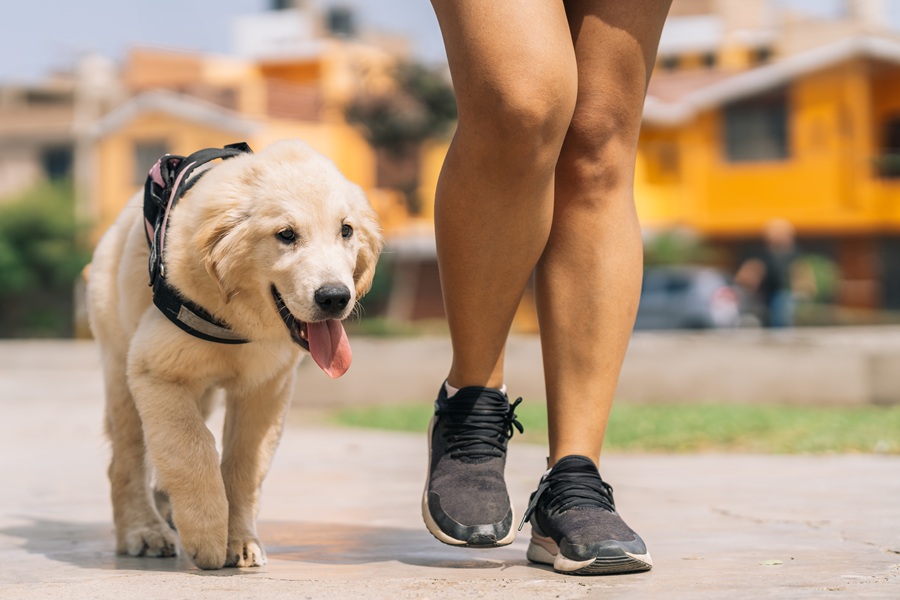
Exercise plays a vital role in maintaining your dog’s overall well-being. Not only does regular physical activity keep your canine companion fit and healthy, but it also benefits their mental health in powerful ways. Understanding how exercise affects your dog’s body and mind can help you become a more attentive and loving pet parent.
The Power of Movement: Physical Benefits of Exercise
When dogs stay active, they experience numerous physical advantages. First and foremost, exercise helps control their weight by burning calories, reducing the risk of obesity—a common issue among pets. Additionally, moving regularly strengthens muscles, improves joint flexibility, and boosts cardiovascular health. Dogs who get consistent exercise tend to have more stamina and better immune function too.
Moreover, exercise aids in digestion and supports healthy bowel movements. This prevents common issues such as constipation or gastrointestinal discomfort. In the long run, physically fit dogs often live longer, happier lives.
Brain Boost: Exercise and Mental Health
Exercise is equally important for a dog’s mental well-being. Physical activity stimulates the release of endorphins — natural chemicals that create feelings of happiness. This “runner’s high” helps reduce stress and anxiety in dogs, calming restless or hyperactive behavior.
Additionally, exercise tires out restless energy, which often contributes to destructive habits like excessive barking, chewing, or digging indoors. Dogs that get enough mental and physical stimulation tend to be happier, more obedient, and more focused.
Social Connections: Exercise Enhances Interaction
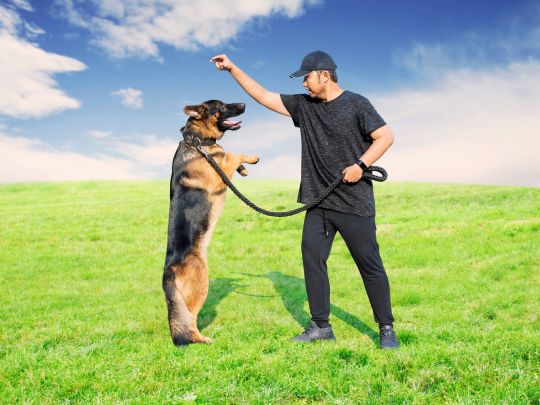
Exercise isn’t just about moving; it’s also a great way for dogs to connect. Whether playing fetch at the park or walking with you in the neighborhood, exercise provides socialization opportunities. These interactions help build confidence and improve social skills, especially for puppies and anxious pets.
In fact, regular outdoor activity exposes dogs to new sights, sounds, and smells—keeping their minds sharp and curious. This mental engagement is vital for emotional health and prevents boredom-related problems.
Tailoring Exercise for Your Dog’s Needs
Every dog is unique, so exercise routines should be customized based on their breed, age, and health status. For example, active breeds like Border Collies or Labrador Retrievers need vigorous daily activity, while older or smaller dogs may benefit from gentler walks and mild playtime. Overexertion can lead to injuries, so always listen to your dog’s cues.
If you notice signs of pain or reluctance to move, consult with a veterinarian in Charleston. At a trusted veterinary hospital, veterinarians can assess your dog’s mobility and recommend appropriate exercise levels.
Exercise as a Preventive Health Strategy
Regular physical activity helps prevent several common health problems in dogs. For instance, staying active reduces the risk of arthritis by keeping joints flexible and muscles strong. Exercise also helps control blood sugar levels, reducing the risk of diabetes.
Furthermore, dogs that exercise regularly tend to have lower blood pressure and healthier cholesterol levels. This holistic approach to health dramatically improves quality of life as your dog ages.
Simple Ways to Get Your Dog Moving
You don’t need fancy equipment or a gym to keep your dog active. Here are some enjoyable activities to incorporate into your daily routine:
- Daily walks, adjusting pace to your dog’s capabilities
- Playtime with balls, frisbees, or tug toys
- Agility training in your backyard or at local parks
- Swimming sessions for low-impact exercise
- Social playdates with other dogs
Incorporating variety keeps your dog excited about exercise and strengthens your bond.
FAQs About Exercise and Your Dog’s Health
Q1. How much exercise does my dog need daily?
Ans. Exercise needs vary by breed, age, and health, but most dogs benefit from at least 30 minutes to 2 hours of activity daily. Consult your vet for personalized guidance.
Q2. Can exercise help reduce my dog’s anxiety?
Ans. Yes, regular exercise reduces stress hormones and encourages positive behavior, helping dogs cope with anxiety.
Q3. What if my dog seems too tired or in pain after exercise?
Ans. If your dog shows signs of fatigue, limping, or distress, stop exercising and consult a vet for an evaluation.
Q4. Are treadmill exercises safe for dogs?
Ans. When supervised and introduced gradually, treadmill exercise can safely supplement your dog’s routine, especially for limited mobility.
Q5. Can puppies exercise like adult dogs?
Ans. Puppies need exercise, but it should be gentle and age-appropriate to avoid joint damage. Short play sessions and walks are recommended.
Q6. How can a veterinary hospital help with my dog’s fitness?
Ans. Veterinarians can assess your dog’s health, suggest suitable exercise plans, and provide physical therapy or rehabilitation if needed.
Final Thoughts
Exercise is a cornerstone of your dog’s physical and mental health. By committing to regular activity, you help prevent diseases, improve mood, and foster better behavior. Keep an eye on your dog’s needs and adjust their routine accordingly, and always don’t hesitate to seek advice from a veterinarian or visit a reputable vet hospital to ensure your dog enjoys the best health possible.