710 Hopewell Drive, Suite 102, Charleston, SC 29492



Just like humans, dogs need proper dental care to stay healthy. Unfortunately, oral health is one of the most overlooked aspects of pet wellness. Plaque, tartar buildup, and gum disease can sneak up quickly, leading to pain, tooth loss, and even organ damage. The good news is that you don’t always need anesthesia to maintain your dog’s dental hygiene. With guidance from Charleston vets, you can learn simple, stress-free techniques to brush and clean your furry friend’s teeth at home.
Understanding Anesthesia-Free Dog Dental Care
Traditionally, dental cleanings often required anesthesia to allow vets to thoroughly clean beneath the gumline. While anesthesia is sometimes necessary, many dog owners prefer exploring alternatives for routine care. Thankfully, veterinary professionals recommend a blend of at-home cleaning and non-anesthetic methods for less invasive maintenance. This ensures your dog enjoys fresh breath and healthier gums without the extra stress or risks.
Choosing the Right Tools for Success
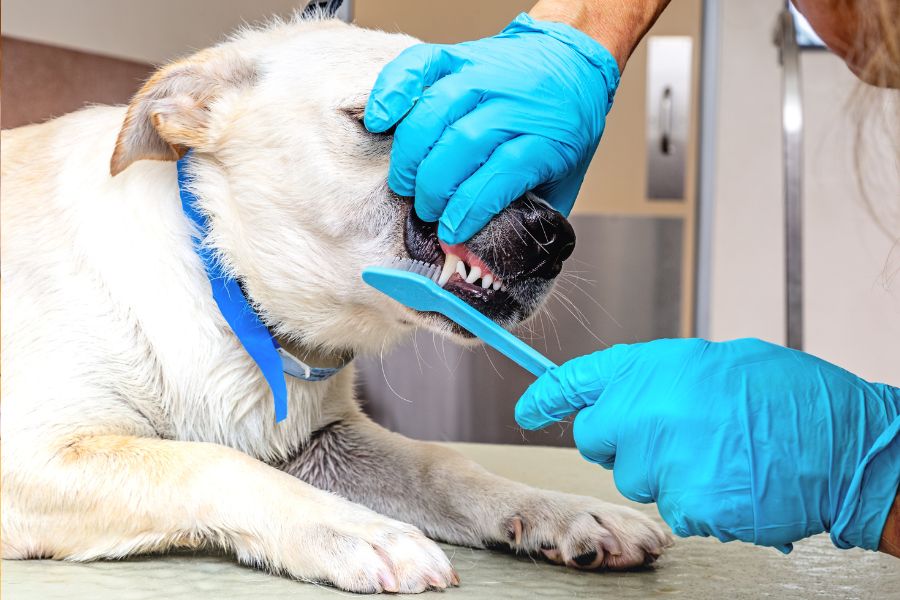
Before you begin brushing your dog’s teeth, you’ll need the right supplies. Forget human toothpaste—it contains fluoride, which is toxic to dogs. Instead, pick up a dog-specific toothbrush and enzymatic toothpaste. Many veterinarian offices suggest finger brushes for smaller dogs or softer-bristled brushes for larger breeds. Additionally, dental wipes and chews can complement brushing, helping clean hard-to-reach areas.
A Gentle Approach: Step-by-Step Brushing Guide
Instead of rushing the process, ease your dog into it with patience and consistency.
- Get Comfortable: Pick a calm, quiet space and let your dog relax.
- Introduce the Toothpaste: Allow your pup to sniff and lick a small amount of dog-safe paste first. This helps them get used to the flavor.
- Start Slowly: Use your finger or a finger brush to gently rub the toothpaste on their teeth for just a few seconds.
- Brush Properly: Angle the brush at 45 degrees and clean in small circular motions, focusing on the gumline where plaque builds most.
- Keep It Short: Begin with 10–15 seconds per session and gradually work up to 2 minutes as your pet gets comfortable.
- Reward Often: Use praise, cuddles, or small treats to make brushing a positive experience.
With regular practice, brushing becomes less of a chore and more of a bonding experience.
Alternative Cleaning Methods Without Anesthesia
While brushing is the gold standard, pets may not always cooperate. Luckily, Pet Dentistry Charleston specialists recommend these extra steps:
- Dental Chews & Toys: Specially designed chews and textured toys can reduce plaque while keeping your dog entertained.
- Dental Wipes: Quick and easy for busy owners, wipes can help remove food residue from teeth.
- Oral Rinses & Water Additives: These can freshen breath and reduce bacteria when used regularly.
Combining these methods with brushing maximizes oral hygiene and reduces the need for frequent professional cleanings.
Professional Support: When to Visit Animal Hospital
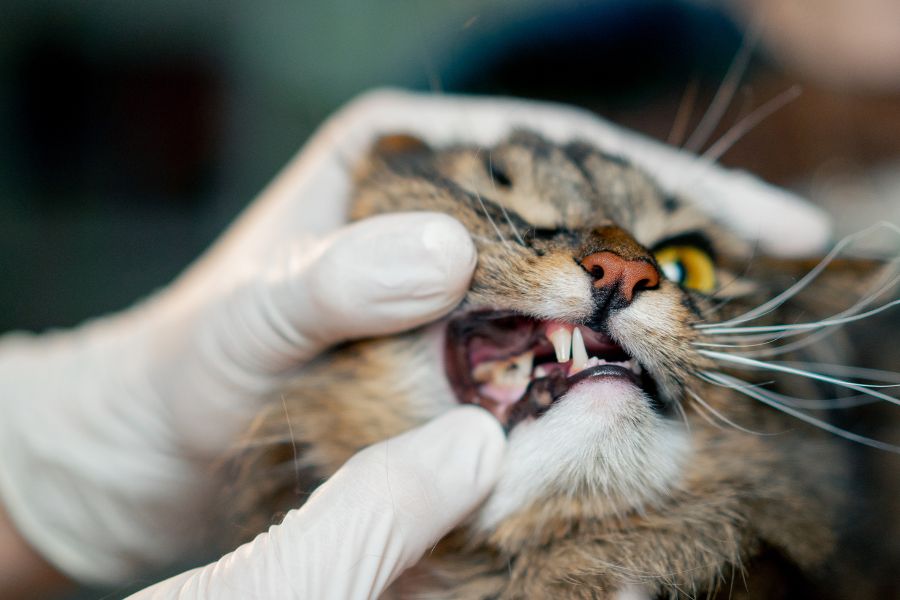
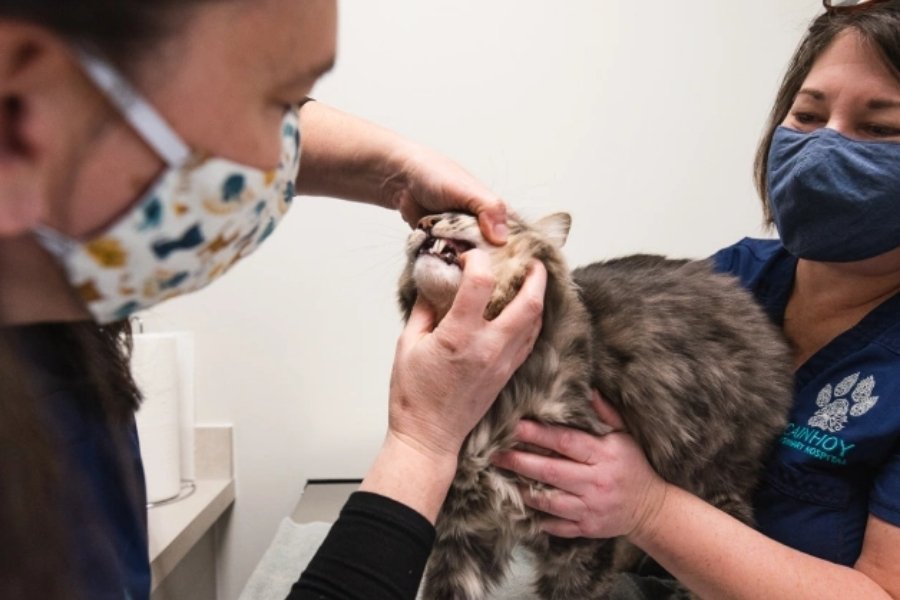
Even if you brush regularly, your dog still needs professional dental checkups. Visits to a animal hospital ensure that hidden issues like periodontal disease are detected early. Charleston veterinary clinics often provide advanced dental screenings and non-anesthetic cleanings for pets who qualify. For deeper cleanings or advanced dental disease, your veterinarian may still recommend anesthesia as the safest option.
Long-Term Benefits: A Healthier, Happier Dog
Consistent dental care does more than improve your pup’s breath—it enhances their overall health. Clean teeth prevent painful infections that could spread to vital organs like the heart and kidneys. By investing time in brushing at home and seeking professional guidance from vets, you give your furry companion the gift of longevity and a brighter, healthier smile.
FAQs About Brushing and Cleaning a Dog’s Teeth Without Anesthesia
Q1. Can I use human toothpaste to brush my dog’s teeth?
Ans. No. Human toothpaste contains fluoride, which is toxic to dogs. Always use pet-safe enzymatic toothpaste.
Q2. How often should I brush my dog’s teeth at home?
Ans. Ideally, brush daily. However, even a few times a week can significantly reduce plaque and tartar.
Q3. Are dental chews enough to replace brushing?
Ans. Dental chews help, but they should not fully replace brushing. Think of them as a supplement to oral care, not the main method.
Q4. Do animal hospitals offer anesthesia-free cleanings?
Ans. Yes, many clinics provide non-anesthetic cleanings for pets with mild tartar or in good health. Severe cases may still require anesthesia.
Q5. What if my dog resists brushing no matter what?
Ans. Start slowly, use rewards, and practice patience. If brushing is impossible, rely on dental wipes, chews, and professional checkups for support.
Q6. Why is professional pet dentistry important if I brush at home?
Ans. Even with good brushing, hidden tartar and disease can develop under the gums. Professional exams by veterinary experts help catch issues early.
Final Thoughts:
Brushing and cleaning your dog’s teeth without anesthesia is not only possible but also highly beneficial. With consistency, patience, and the right tools, you can make dental care part of your daily routine. Pairing this with professional checkups at animal hospital ensures your dog thrives with a clean mouth, strong teeth, and a healthy life. Remember, a veterinarian in Charleston is always there to guide you toward the best oral care plan for your pet.