710 Hopewell Drive, Suite 102, Charleston, SC 29492


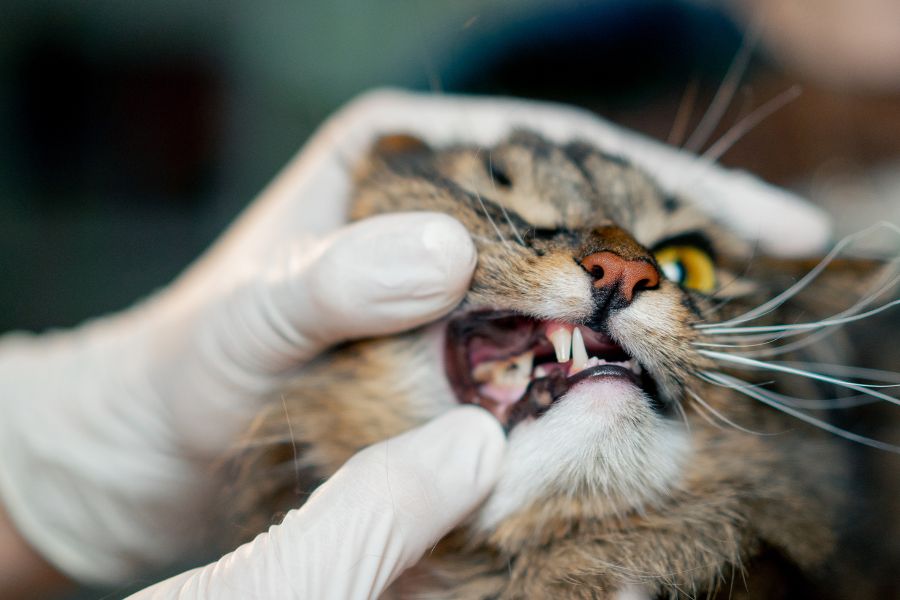
Cats are experts at hiding pain. If your feline friend has a broken tooth, they might not show obvious signs—at least not right away. That’s why attentive pet parents should keep an eye out for subtle shifts. You might notice your cat avoiding kibble, favoring one side while chewing, or suddenly becoming irritable when touched near the mouth.
Look for these warning signs:
- Drooling (especially with traces of blood)
- Bad breath
- Swelling on the face or jaw
- Pawing at the mouth
- A sudden decrease in appetite
These symptoms often suggest oral discomfort. If a broken tooth is the culprit, professional help is essential. Delaying care could lead to infection, abscesses, or even bone damage.
The Hidden Dangers: Why a Broken Tooth Is More Than a Cosmetic Issue
Some pet owners assume a chipped or fractured tooth isn’t a big deal—after all, it’s just one tooth. Unfortunately, that’s a risky assumption. A broken tooth exposes the sensitive inner pulp, leaving nerves vulnerable to bacteria. That exposure can quickly lead to a painful infection.
Cats can’t brush or rinse like humans do, so any exposed dental tissue becomes a breeding ground for harmful bacteria. Left untreated, the infection may spread to the bloodstream, affecting vital organs like the heart or kidneys. In extreme cases, untreated dental problems may shorten your cat’s lifespan.
This is why timely care from a pet dentistry provider is more than just helpful—it’s life-preserving.
Tooth Trouble 101: What Causes a Cat’s Tooth to Break?
A broken tooth in cats may result from a variety of causes. The most common reasons include:
- Trauma: Falling, rough play, or accidents can crack a tooth.
- Chewing Hard Objects: Bones, antlers, or hard toys might lead to fractures.
- Tooth Resorption: A painful condition where the tooth dissolves from the inside out.
- Advanced Decay: Just like humans, cats can develop cavities and decay from plaque buildup.
Understanding the cause helps prevent future damage and ensures the right treatment approach.
Vet To The Rescue: What Happens at the Appointment?
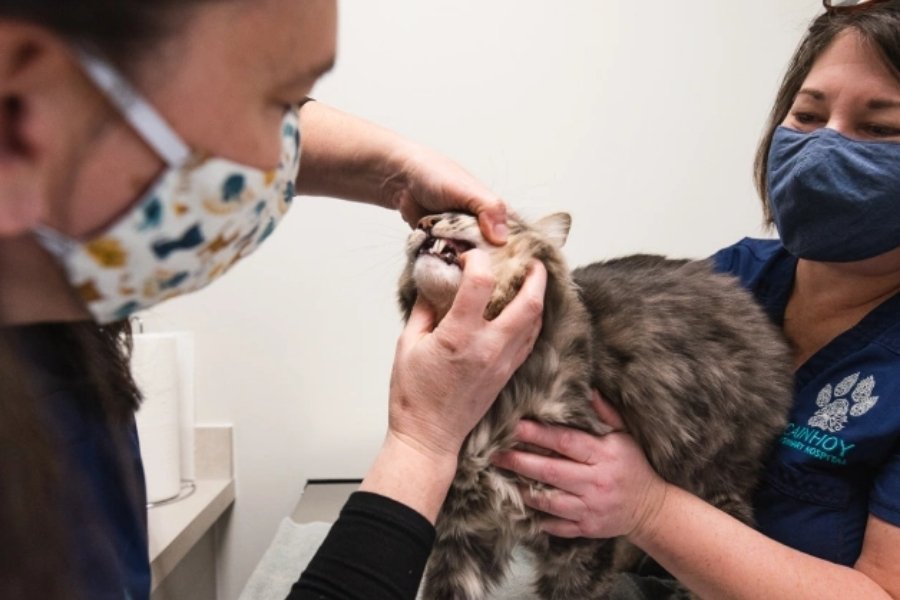
When you take your cat to a pet dentistry Charleston professional, the vet will likely begin with an oral exam. Depending on your cat’s behavior and the tooth’s condition, sedation might be required to get a full look inside the mouth.
Here’s what you can typically expect:
- Dental X-rays: These help assess the tooth’s roots and surrounding bone.
- Diagnosis: The vet determines if the tooth can be saved or if extraction is necessary.
- Treatment Plan: Options may include root canal therapy, crown restoration, or removal.
- Post-Op Care: After treatment, your cat will need soft food, medication, and monitoring.
Prompt action ensures faster healing and minimizes complications.
Healing with Perfection: Aftercare and Recovery
Once your cat receives dental treatment, the healing process begins. You’ll play a big role in keeping them comfortable and safe during recovery. Your vet will likely prescribe pain medication, and antibiotics if infection was present.
To support healing:
- Offer soft or wet food to ease chewing.
- Keep playtime gentle to prevent injury.
- Monitor for swelling, excessive drooling, or lethargy.
- Keep follow-up appointments for check-ups.
Cats typically bounce back within a few days, especially with your love and support.
Prevention Is the Best Prescription
While you can’t prevent every dental mishap, a proactive approach keeps feline smiles healthier longer. Here’s what you can do:
- Routine vet visits: Regular checkups catch dental problems early.
- Brushing your cat’s teeth: Use cat-safe toothpaste and a soft brush.
- Avoid hard toys or treats: Steer clear of anything that could crack teeth.
- Monitor for subtle changes: If your cat suddenly eats slower or refuses food, check their mouth.
And most importantly, establish a relationship with a trusted veterinary Charleston clinic for ongoing support.
FAQs About Cat Tooth Breaks
1. Can a cat live with a broken tooth?
Technically, yes—but it’s risky. A broken tooth can lead to pain, infection, and systemic health problems.
2. How much does it cost to fix a broken tooth in a cat?
Costs vary based on treatment, but extractions typically range from $300 to $1,000 depending on complexity and location.
3. Do broken teeth in cats always need to be removed?
Not always. Some can be saved with a root canal. Your vet will recommend the best option.
4. Will my cat be in pain after treatment?
Some discomfort is normal, but pain medications help manage it effectively. Most cats recover quickly.
5. Is it okay to wait before getting treatment?
Delaying treatment can cause complications. It’s best to schedule a dental visit promptly.
6. How do I know if my cat’s tooth is actually broken?
Only a vet can confirm it with an exam and possibly X-rays. If you suspect damage, don’t wait.
Your cat’s mouth does more than just help them eat—it’s essential to their overall health. If you suspect a broken tooth, don’t brush it off. Immediate action not only relieves your cat’s discomfort but can also protect them from serious complications. Trust a qualified vets Charleston team to guide you through diagnosis, treatment, and recovery. A healthy mouth means a happier, longer life for your furry companion.