710 Hopewell Drive, Suite 102, Charleston, SC 29492


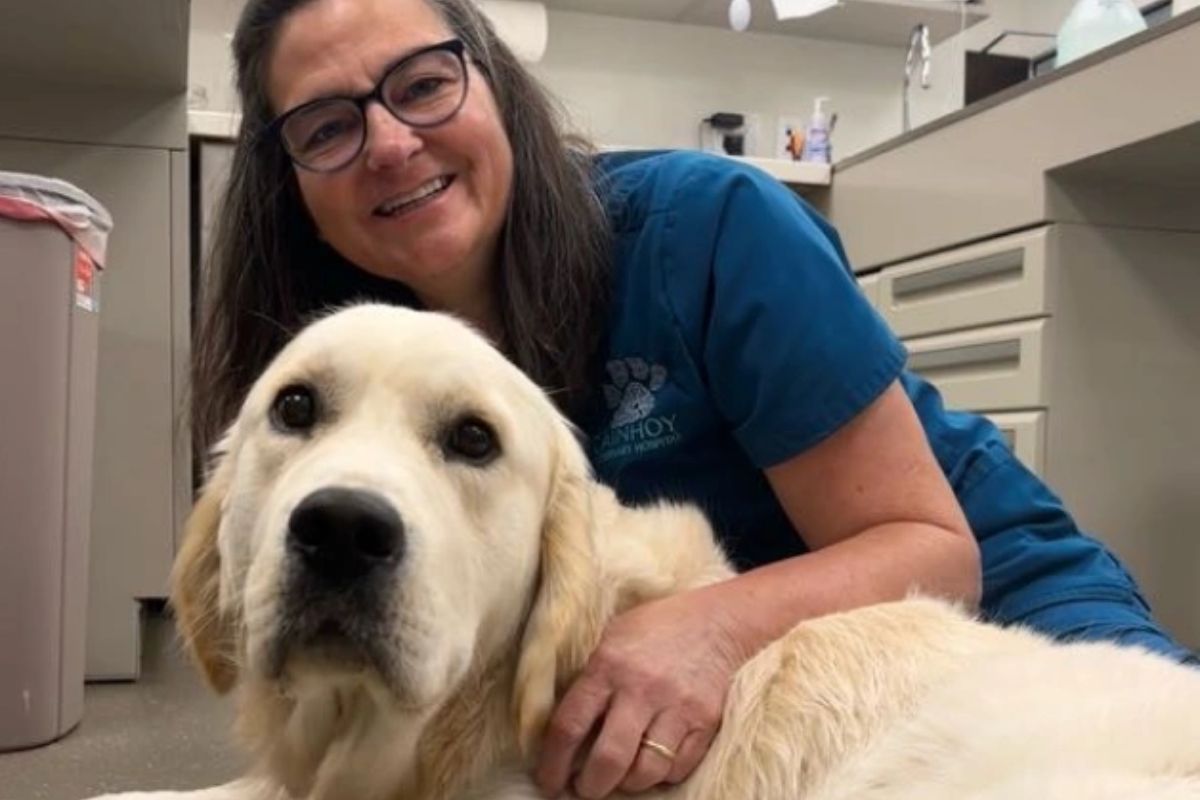
As pets age, their bodies undergo changes that make them more vulnerable to certain health conditions. Much like aging humans, senior dogs and cats often experience physical and behavioral shifts that require attention and adaptation. Understanding these changes and recognizing early warning signs can make a big difference in maintaining their comfort and well-being.
Understanding When Your Pet Becomes a Senior
Pets are typically considered seniors around 7 years of age, though this can vary based on species and breed. Larger dog breeds tend to age faster, reaching senior status earlier than smaller breeds. Regular veterinary checkups are crucial during this life stage, as early detection of problems can help manage or slow disease progression.
Common Health Issues in Senior Pets
1. Arthritis and Joint Problems
What to Look For:
Limping, stiffness after rest, reluctance to jump or climb stairs, and decreased activity are common signs of arthritis.
Management Tips:
- Maintain a healthy weight to reduce joint strain.
- Provide soft bedding and non-slip flooring.
- Gentle exercise can help keep joints flexible.
- Supplements like glucosamine may support joint health (consult a veterinarian).
2. Dental Disease
What to Look For:
Bad breath, drooling, difficulty eating, or visible tartar and gum inflammation can all point to dental issues.
Management Tips:
- Brush your pet’s teeth regularly if possible.
- Offer dental chews or toys designed to reduce plaque.
- Routine dental exams and cleanings are important for oral health.
3. Vision and Hearing Loss
What to Look For:
Bumping into objects, hesitation in unfamiliar areas, ignoring calls, or appearing startled easily may indicate sensory decline.
Management Tips:
- Keep the surroundings consistent to avoid confusion.
- Use hand signals along with verbal commands.
- Avoid startling pets by approaching gently.
4. Cognitive Dysfunction Syndrome (CDS)
Often compared to dementia in humans, CDS can affect your pet’s memory and behavior.
What to Look For:
Disorientation, restlessness at night, changes in social interaction, house-soiling, or altered sleep patterns.
Management Tips:
- Stick to a routine.
- Provide mental stimulation with toys and interaction.
- Discuss potential dietary changes or supplements with a veterinarian.
5. Kidney Disease
What to Look For:
Increased thirst and urination, vomiting, weight loss, and lethargy may be signs of kidney dysfunction.
Management Tips:
- Provide fresh water at all times.
- Dietary changes can support kidney function.
- Keeping an eye on your health is important, and regular blood and urine tests are great tools for monitoring your condition.
6. Heart Disease
What to Look For:
Persistent coughing, fatigue, reduced tolerance for exercise, or abdominal swelling can indicate heart problems.
Management Tips:
- Keep up with wellness exams and cardiac screenings.
- Avoid overexertion during walks or play.
- Medication may be necessary to manage symptoms.
7. Cancer
Cancer risk increases with age, and signs can be subtle.
What to Look For:
Unexplained weight loss, lumps or bumps, non-healing wounds, or changes in appetite and behavior.
Management Tips:
- Early diagnosis improves treatment options.
- Be observant of changes and seek medical evaluation for any abnormalities.
General Tips for Managing Senior Pet Health
- Regular Vet Visits: Schedule checkups at least twice a year to catch issues early.
- Proper Nutrition: Older pets may require diets tailored to their age and health needs.
- Exercise: Maintain a gentle but consistent activity level to support physical and mental health.
- Keeping an eye on your health is important, and regular blood and urine tests are great tools for monitoring your condition.
- Hydration: Always ensure access to clean water.
Senior pet care requires patience, attention, and adaptation. By staying informed about common age-related health issues and adjusting care routines accordingly, pet owners can help their aging companions enjoy their golden years in comfort. Early detection, consistent care, and a loving environment go a long way in supporting their quality of life.