710 Hopewell Drive, Suite 102, Charleston, SC 29492


Puppy diarrhea can be worrying, especially when your little one seems uncomfortable or isn’t eating normally. The good news is that most cases improve with gentle care at home. In this guide, we’ll break down effective puppy diarrhea treatment, common causes, safe foods, and the red flags that mean it’s time to visit a vet. Whether you’re facing mild stomach upset or diarrhea paired with vomiting, this article helps you confidently care for your pup.
What Causes Puppy Diarrhea?
Puppies have sensitive digestive systems, so even small changes can trigger loose stools. Understanding puppy diarrhea causes helps you respond quickly and prevent future episodes.
Common Everyday Triggers
Many cases are linked to harmless but uncomfortable disruptions, such as:
- Sudden diet changes
- Eating table scraps or new treats
- Overeating
- Stress from travel, new environments, or new pets
- Mild food intolerances
Puppies explore the world with their mouths, so it’s easy for them to ingest things that upset their stomachs. Even a switch in kibble brand can trigger short-term diarrhea.
Medical Causes to Watch For
Some causes are more serious and require veterinary attention:
- Intestinal parasites (roundworms, hookworms, giardia)
- Bacterial infections (Salmonella, E. coli)
- Viral infections such as parvovirus
- Toxic ingestion (plants, chemicals, human medications)
- Allergies or chronic GI issues
If diarrhea continues beyond 24–48 hours, a medical cause becomes more likely.
Puppy Diarrhea and Vomiting—What It Means
Diarrhea alone may not be concerning, but puppy diarrhea and vomiting together can signal a more serious problem.
When Vomiting Is Mild
Your puppy may vomit once due to overeating or eating something unfamiliar. When this happens, along with loose stool, but your pup still acts normally, you can try gentle home care.
When Vomiting Is Serious
Seek veterinary attention urgently if vomiting is:
- Persistent
- Combined with lethargy
- Yellow, bloody, or foul-smelling
- Paired with refusal to eat or drink
Vomiting plus diarrhea significantly increases the risk of dehydration in puppies, which can become dangerous quickly.
At-Home Puppy Diarrhea Treatment
Most mild episodes can be managed at home with simple, reliable steps. These methods soothe your puppy’s digestive tract and help restore normal stools.
Step 1 — Offer a Short Fasting Period (If Vet-Approved)
For puppies older than 12 weeks, a brief 6–8 hour break from food helps calm an irritated stomach. Avoid fasting very young or tiny-breed puppies without veterinary guidance due to the risk of low blood sugar.
Step 2 — Keep Your Puppy Hydrated
Diarrhea causes rapid fluid loss. Encourage hydration by:
- Offering clean, fresh water
- Providing an unflavored pediatric electrolyte solution (vet-approved)
- Using ice cubes for reluctant drinkers
Watch for dehydration signs: dry gums, sticky saliva, sunken eyes, or lethargy.
Step 3 — Feed Safe, Bland Foods
Once your puppy is ready for food again, choose ingredients that are gentle on the gut.
Safe foods include:
- Boiled chicken (skinless, boneless)
- Plain white rice
- Boiled turkey or lean ground beef
- Plain canned pumpkin (not pie filling)
- Probiotic puppy formulas
Feed small portions 3–4 times a day and slowly transition back to normal food over 2–3 days.
Step 4 — Use Vet-Approved Probiotics
Probiotics help rebalance your puppy’s gut bacteria and can shorten the duration of diarrhea. Choose products formulated specifically for puppies to avoid stomach irritation.
Step 5 — Maintain a Calm Environment
Stress directly affects digestion. Help your puppy stay relaxed by:
- Keeping a consistent feeding schedule
- Avoiding strenuous activity
- Minimizing loud noises or sudden changes
A calm puppy is more likely to recover quickly.
Foods and Treatments to Avoid
Puppy tummies are delicate, and certain home remedies may do more harm than good.
Avoid These Foods
Never use:
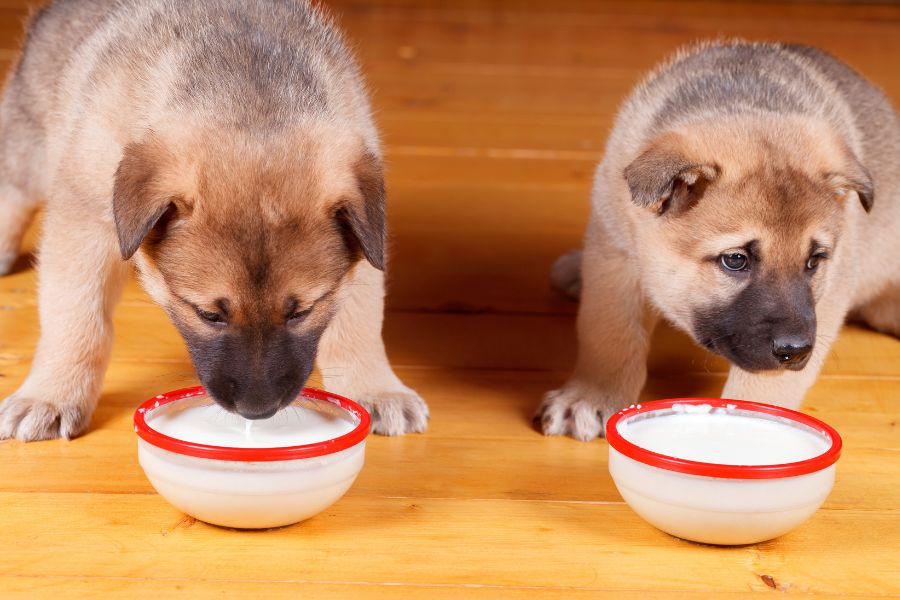
- Dairy products
- Spicy or fatty foods
- Bones
- Over-the-counter human medications
Human medications like Pepto-Bismol can be dangerous for dogs and should never be given without a vet’s guidance.
Avoid Overfeeding During Recovery
Large meals can overwhelm the gut. Stick to small portions and only increase the amount gradually.
When to See a Vet for Puppy Diarrhea
Knowing when to see a vet for puppy diarrhea ensures your pet gets timely help.
Seek veterinary care if:
- Diarrhea lasts more than 24–48 hours
- Your puppy is younger than 12 weeks
- Stools contain blood or worms
- Your puppy also has vomiting, fever, or lethargy
- Your puppy refuses food or water
- You suspect ingestion of toxins
These signs may indicate infections, parasites, or serious illness that requires immediate medical treatment.
How Vets Diagnose and Treat Puppy Diarrhea
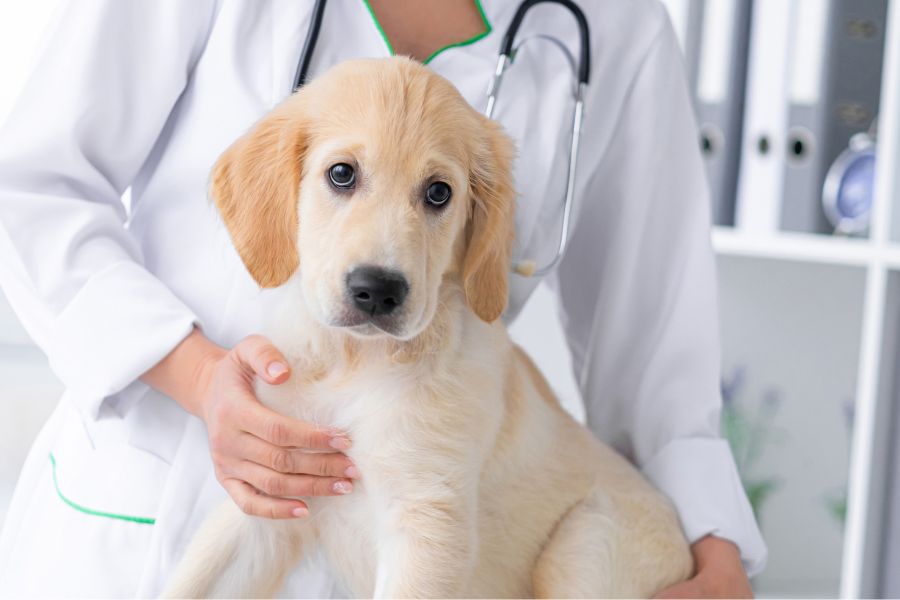
When you visit an animal hospital near you, expect a thorough examination to determine the best treatment plan.
Common Diagnostic Steps
- Fecal testing for parasites
- Bloodwork to check for infection
- Ultrasounds or X-rays if obstruction is suspected
- Parvo testing for young, unvaccinated puppies
Veterinary Treatments May Include
- Fluid therapy for dehydration
- Prescription anti-diarrheal medications
- Antiparasitic treatments
- Antibiotics (if bacterial infection is confirmed)
- Special GI diets
Early intervention prevents complications and speeds recovery.
Preventing Future Episodes of Puppy Diarrhea
You can significantly reduce the risk of diarrhea by focusing on prevention.
Keep Diet Consistent
Sudden changes can shock your puppy’s digestive system. Introduce new foods gradually over 5–7 days.
Avoid Random Treats or Table Scraps
Human foods and unfamiliar ingredients can upset your puppy’s stomach.
Practice Safe Chewing and Exploration
Puppy-proof your home by removing:
- Toxic plants
- Cleaning chemicals
- Items that can be swallowed
Follow Routine Veterinary Care
Regular checkups keep your puppy parasite-free and protected from infectious disease—especially important if you’re searching for an animal hospital in Charleston, SC, for routine or urgent care.
Puppy diarrhea is common, but with calm observation, safe foods, and gentle home care, most cases resolve quickly. Always monitor your puppy closely and never hesitate to seek professional care if symptoms worsen or dehydration signs appear.
Suppose you are conveniently located in Charleston, SC, and searching for the best puppy and kitten care hospital near me. In that case, Cainhoy Veterinary Hospital is the right choice for compassionate, advanced, and reliable pet care.
FAQs
Q1: What’s the best first step for puppy diarrhea treatment at home?
Ans: Start by offering hydration, then feed gentle, bland foods like boiled chicken and rice. If diarrhea lasts over 24 hours, contact your vet for guidance.
Q2: Why does my puppy have diarrhea all of a sudden?
Ans: Sudden diarrhea often comes from diet changes, stress, overeating, or eating something they shouldn’t. Parasites and infections are also common causes in puppies.
Q3: Is puppy diarrhea and vomiting dangerous?
Ans: Yes. When both occur together, dehydration can happen quickly. Contact a vet if vomiting is persistent or your puppy seems weak, lethargic, or refuses water.
Q4: How long should puppy diarrhea last?
Ans: Mild diarrhea often resolves within 24–48 hours with proper care. Longer episodes may signal infections, parasites, or serious illness that requires veterinary attention.
Q5: What foods are safe to give my puppy during diarrhea?
Ans: Safe foods include boiled chicken, white rice, plain pumpkin, and vet-approved probiotics. Avoid dairy, fatty foods, and anything seasoned.