710 Hopewell Drive, Suite 102, Charleston, SC 29492


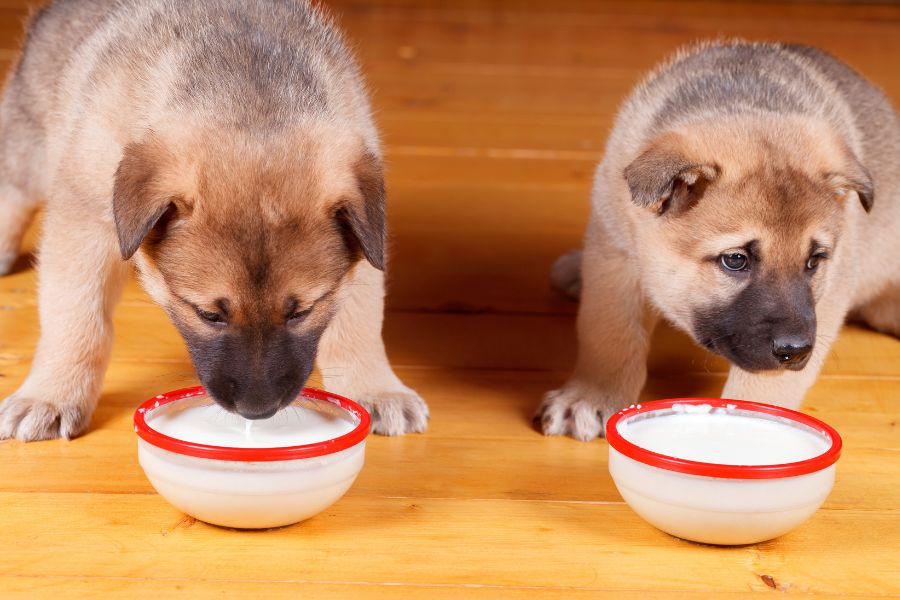
Proper puppy feeding is crucial for healthy growth and development. This guide covers the right puppy portion sizes, calories per day, and an age-by-age feeding schedule. Using a puppy feeding chart by weight, pet parents can ensure their puppy gets the right nutrition without overfeeding or underfeeding. In this guide, we provide expert advice on puppy feeding, portion size guidance, and overall puppy care to support your puppy’s growth, energy, and long-term health. Follow this guide to establish a healthy routine for your puppy while preventing nutritional imbalances.
Understanding Puppy Feeding Needs
Puppies grow rapidly during their first year, and their nutritional requirements change at each stage. Proper feeding ensures healthy bones, strong muscles, and a robust immune system. Overfeeding can lead to obesity and joint issues, while underfeeding can stunt growth and reduce energy levels.
Key factors affecting puppy feeding include:
- Breed size and growth rate
- Age and weight
- Activity level
- Health conditions
Using a puppy feeding chart by weight is the most reliable way to determine the correct portion sizes and calorie intake.
Puppy Feeding Schedule by Age
Newborn to 4 Weeks
During the first four weeks, puppies rely entirely on their mother’s milk. If orphaned, a puppy milk replacer is necessary. Feedings are frequent every 2–3 hours, and portion sizes are tiny but nutrient-dense.
Tips:
- Keep puppies warm while feeding
- Monitor weight gain daily
- Avoid cow’s milk, which can cause digestive upset
4 to 8 Weeks
This is the weaning phase. Begin introducing high-quality puppy food mixed with water or puppy milk replacer. Feed 4–5 small meals per day.
Guidelines:
- Offer a puppy portion size guide to ensure each meal meets nutritional needs
- Gradually reduce milk replacer as puppies eat more solid food
- Encourage socialization during feeding times
8 to 12 Weeks
Puppies are ready for fully solid meals. Feed 3–4 times daily, adjusting portions based on weight and activity.
Recommended approach:
- Use a puppy feeding chart by weight to determine daily food amounts
- Monitor body condition score (ribs should be palpable, not visible)
- Ensure fresh water is always available
3 to 6 Months
Puppies now have higher energy needs to support growth. Feed 3 times per day, and calculate total daily calories.
Tips:
- Consult a vet to determine puppy calories per day based on breed
- Avoid free-feeding to prevent overeating
- Include high-quality protein and DHA for brain development
6 to 12 Months
Most puppies transition to adult feeding schedules around one year, though large breeds may need continued growth support longer. Feed 2–3 times daily.
Recommendations:
- Adjust portions using a puppy portion size guide
- Monitor weight to prevent obesity
- Introduce slow feeding toys to encourage healthy eating habits
Calculating Puppy Portion Sizes
Portion sizes depend on:
- Puppy’s weight
- Age
- Energy level
- Type of food (kibble vs. wet food)
Tips for Healthy Puppy Feeding
- Avoid table scraps: Human food can upset digestion
- Stick to routine: Consistency prevents overeating
- Monitor weight regularly: Adjust food as the puppy grows
- Choose high-quality puppy food: Look for complete and balanced nutrition
- Consult your vet: For breed-specific feeding needs
Proper puppy feeding supports growth, energy, and long-term health. By following an age-by-age feeding schedule and using a puppy feeding chart by weight, pet parents can confidently provide the right portions and calories per day. Monitor your puppy’s weight, adjust feeding amounts, and consult professionals when needed. Remember, each puppy is unique, and feeding plans should reflect individual growth rates, breed size, and activity level.
For compassionate, dependable pet care in Charleston and nearby communities, including Huger, Mount Pleasant, Wando, and North Charleston, book your pet’s first visit with Cainhoy Veterinary Hospital in Charleston, SC, today and give them the healthy start they deserve.
FAQs
Q1: How often should I feed my puppy?
Ans: Feed puppies 4–5 times daily under 3 months, 3 times daily from 3–6 months, and 2–3 times daily after 6 months. Adjust for breed size and energy levels.
Q2: How do I know how much my puppy should eat?
Ans: Use a puppy portion size guide or puppy feeding chart by weight. Monitor growth, body condition, and consult your vet for precise calorie needs.
Q3: Can I free-feed my puppy?
Ans: Free-feeding can lead to obesity and digestive issues. Scheduled meals ensure proper portion control and healthy growth.
Q4: What is the best type of food for puppies?
Ans: High-quality puppy-specific kibble or wet food with complete nutrition, including protein, DHA, vitamins, and minerals, supports growth and development.
Q5: When should I consult a puppy care clinic in Charleston?
Ans: Consult your vet for personalized feeding plans, growth monitoring, vaccinations, and behavior guidance. Cainhoy Veterinary Hospital can provide expert care.