710 Hopewell Drive, Suite 102, Charleston, SC 29492


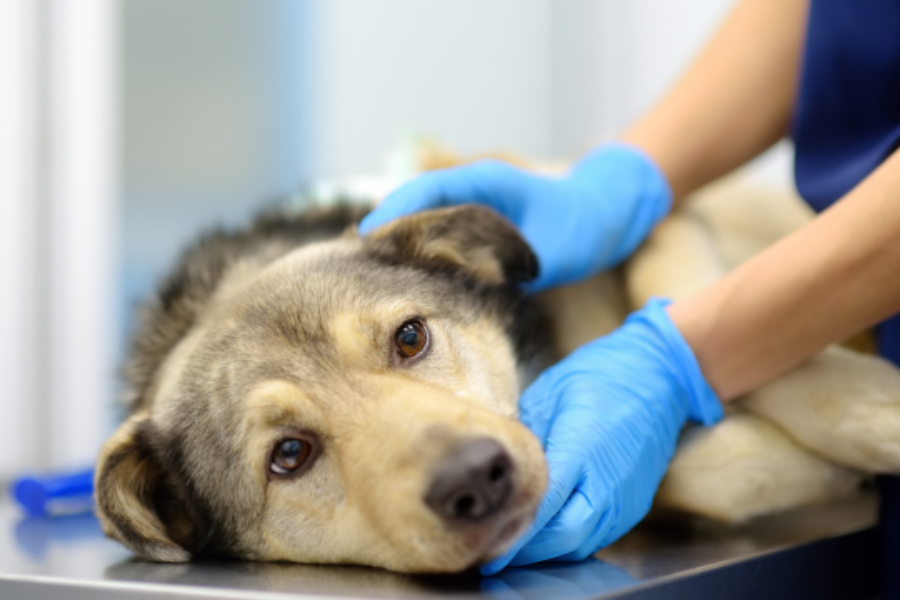
Pets cannot tell us when they feel tired, uncomfortable, or different from usual. Sometimes, a health problem develops quietly, with few visible signs until it begins to affect daily life. Your dog may still enjoy walks, or your cat may continue eating normally, even when something inside the body is not working as it should.
Routine bloodwork gives veterinarians a closer look at your pet’s internal health. It can help identify changes in blood cells, organ function, blood sugar, and other important measurements. At Cainhoy Veterinary Hospital in Charleston, SC, understanding what these tests can reveal helps pet owners make informed decisions about their animals’ care. Learning what bloodwork measures, when it may be recommended, and how to understand the results can make routine veterinary visits more useful.
What Can Routine Bloodwork Reveal About Your Pet’s Health?
Routine bloodwork can help veterinarians assess your pet’s general health, look for early signs of disease, and investigate changes such as tiredness, weight loss, or reduced appetite. It can provide information about blood cells, organs, blood sugar, and other body functions, although it cannot diagnose every condition on its own.
Blood tests are often recommended as part of a wellness examination, before certain procedures, when a pet starts taking some medications, or when symptoms suggest an underlying health problem. Your veterinarian chooses the tests based on your pet’s age, medical history, physical examination, and individual needs.
Common reasons for checking bloodwork include:
- Establishing a baseline for your pet’s health
- Looking for signs of anemia, which means a low number of healthy red blood cells
- Checking kidney and liver function
- Measuring blood sugar levels
- Investigating unexplained weight changes or low energy
- Monitoring a known health condition
- Assessing whether a pet may be suitable for a planned procedure
Bloodwork offers valuable information, but it is only one part of a complete health assessment. A pet’s symptoms, examination findings, medical history, and sometimes other tests help the veterinarian interpret the results.
Even when your pet appears healthy, routine testing may reveal changes that are not obvious at home. The purpose is not to assume that every unusual result means disease, but to understand what the findings may mean for your pet.
What Is Included in Routine Pet Bloodwork?
The exact tests vary depending on your pet’s needs. Two common types of blood tests are a complete blood count (CBC) and a blood chemistry panel. They provide different information, and veterinarians may recommend one or both.
| Blood test | What it measures | What it can help identify |
| Complete blood count (CBC) | Red blood cells, white blood cells, and platelets | Anemia, changes associated with infection or inflammation, and some clotting concerns |
| Blood chemistry panel | Substances related to organ function and metabolism | Changes involving the kidneys, liver, blood sugar, proteins, and electrolytes |
| Electrolyte testing | Minerals such as sodium and potassium | Imbalances that may occur with illness, fluid loss, or certain organ problems |
| Blood sugar testing | The amount of glucose in the blood | High or low blood sugar and possible signs of metabolic problems |
| Condition-specific tests | Measurements selected for a particular concern | Additional information about certain diseases or body functions |
Not every pet needs every test. A young, healthy animal may need a different testing plan from a senior pet or one with a long-term medical condition.
Your veterinarian may also recommend urine testing, imaging, or other diagnostic procedures to build a clearer picture of your pet’s health. For example, blood and urine tests can provide complementary information when kidney function is a concern.
Understanding which tests are being performed can help you know why they are recommended and what questions to ask when the results are available.
What Can a Complete Blood Count Tell You About Your Pet?
A complete blood count, often called a CBC, examines the different types of cells circulating in your pet’s blood. These include red blood cells, white blood cells, and platelets. Each type has a different role in keeping the body functioning.
Red blood cells
Red blood cells carry oxygen throughout the body. When their number or related measurements are too low, a pet may have anemia. Possible signs include tiredness, weakness, pale gums, or reduced ability to exercise.
Anemia can develop for many reasons, including blood loss, certain illnesses, and problems affecting the body’s production or breakdown of red blood cells. A CBC helps identify the problem, but additional investigation may be needed to find its cause.
White blood cells
White blood cells help the body respond to infection and inflammation. Changes in their number or types may provide clues about an illness, an inflammatory process, stress, or other conditions.
A high or low white blood cell count does not automatically confirm a particular disease. Veterinarians interpret the pattern alongside symptoms, examination findings, and other test results.
Platelets
Platelets help blood clot. An unusually low platelet count may affect the body’s ability to stop bleeding, although the significance depends on the result and the overall clinical picture.
A CBC can therefore provide important clues about your pet’s general condition. It may help explain why a pet seems unusually tired or why a veterinarian wants to investigate pale gums, unexplained bruising, or other changes.
How Can Bloodwork Check Your Pet’s Liver and Kidney Function?
The liver and kidneys perform important jobs every day. The liver helps process nutrients, makes certain proteins, and handles many substances the body needs to break down. The kidneys help remove waste products from the blood, balance fluids and minerals, and maintain other important body functions.
Blood chemistry testing measures substances that may change when these organs are affected. However, no single result provides a complete picture of how an organ is working.
Liver-related measurements may include enzymes and other substances that can change with liver injury, inflammation, or certain other conditions. An increased liver enzyme result does not always mean that the liver is failing. It may indicate that further testing is needed to understand the reason for the change.
Kidney-related measurements may include waste products such as creatinine and blood urea nitrogen, along with other values. These can help a veterinarian assess kidney function, but they may also be influenced by hydration, diet, muscle mass, and other factors.
Urine testing can add useful information. For example, the concentration of urine and the presence of certain substances may help the veterinarian understand kidney function more clearly.
A veterinarian may recommend follow-up testing, imaging, or other assessments if results suggest a concern. Changes over time can be particularly helpful because they show whether a measurement is stable, improving, or becoming more abnormal.
Bloodwork can help identify a problem, but it should always be interpreted in context rather than treated as a final answer on its own.
Can Routine Bloodwork Detect Diabetes and Other Health Problems?
Bloodwork can help identify changes linked to diabetes and several other health conditions. It may also reveal clues that encourage a veterinarian to investigate symptoms further.
For example, blood glucose testing measures the amount of sugar in the blood. Persistently high blood glucose, when considered alongside other findings, may support a diagnosis of diabetes. A veterinarian may recommend additional tests to confirm the condition and distinguish it from temporary changes.
Other measurements may help assess:
- Electrolyte balance: Sodium, potassium, and other electrolytes help regulate fluid balance, nerve function, and muscle activity.
- Blood proteins: Protein measurements can provide information about hydration, inflammation, liver function, and other health concerns.
- Metabolic changes: Certain results may point toward problems involving the body’s use of energy.
- Changes related to inflammation: Blood cell patterns and other measurements may support further investigation when illness is suspected.
- Possible effects of medication: Some treatments require monitoring to check for changes in organ-related measurements or other blood values.
Bloodwork does not detect every disease, and some conditions may produce normal results during early stages. Other tests may be needed depending on the signs your pet shows.
Hypothetical example: A senior cat named Luna begins drinking more water and visiting the litter box more often, but she still eats and behaves fairly normally. Her veterinarian recommends bloodwork and urine testing to investigate the changes. The results provide clues that help the veterinary team determine whether further testing for a metabolic condition, such as diabetes, is appropriate.
The value of bloodwork lies in combining the results with the pet’s behavior, examination, and medical history. A single result rarely tells the whole story.
Why Might a Healthy-Looking Pet Need Bloodwork?
A pet can look healthy and still have changes that are not visible from the outside. Routine bloodwork may help establish a baseline, identify unexpected abnormalities, or provide information that becomes useful when comparing results in the future.
A baseline is a record of your pet’s usual test results when they are doing well. If your pet becomes ill later, the veterinarian may compare new measurements with that earlier information. This can help show whether a value has changed for your individual pet, even if it falls within a broad reference range.
Routine testing may be especially useful for:
- Senior pets, whose risk of certain health conditions can increase with age
- Pets with a history of illness
- Animals taking medications that require laboratory monitoring
- Pets preparing for certain procedures
- Animals with changes in weight, appetite, thirst, or activity
- Pets whose physical examination suggests that further investigation may be helpful
Testing recommendations should be individualized. Your pet’s age, breed, medical history, lifestyle, and current health all help determine which tests may be appropriate and how often they should be repeated.
A normal result is reassuring, but it does not guarantee that every aspect of your pet’s health is perfect. Similarly, an abnormal result does not always mean that a serious illness is present. Some findings may be temporary or affected by factors such as hydration, recent meals, stress, or the testing process.
Your veterinarian can explain whether a result needs follow-up, repeat testing, or no immediate change in care.
How Should You Prepare Your Pet for Bloodwork?
Preparing your pet depends on the type of test being performed. Some blood tests can be completed without special preparation, while others may require your pet to avoid food for a specific period.
Before the appointment, ask your veterinary clinic whether fasting is needed. Do not withhold food or water unless your veterinarian gives you specific instructions. This is particularly important for young animals, pets with certain health conditions, and animals taking medication.
You can help make the visit smoother by following these steps:
- Share your pet’s medical history. Tell the veterinary team about current medications, supplements, previous illnesses, and recent changes in behavior.
- Ask about feeding instructions. Confirm whether your pet should eat normally before the test.
- Follow medication guidance. Do not stop or change a prescribed medication unless your veterinarian advises you to.
- Bring relevant records. Previous bloodwork may help the veterinarian compare results over time.
- Keep your pet comfortable. Use a secure carrier for cats and a suitable leash or harness for dogs.
- Mention any unusual symptoms. Changes in thirst, urination, appetite, weight, or energy may help guide the interpretation of results.
Blood is usually collected from a vein, often in a leg or the neck, depending on the animal and the clinic’s approach. The process generally takes a short time, although some pets may need extra support to remain comfortable and still.
The veterinary team can explain what your pet may experience and answer questions about the procedure.
How Do Veterinarians Interpret Abnormal Bloodwork Results?
Bloodwork results are usually compared with reference ranges, which are ranges of values commonly expected in a particular testing population. These ranges can differ by laboratory, species, age, and test method.
A result outside the reference range does not automatically mean your pet has a disease. Some healthy animals may have a slightly high or low value, while an animal with a health problem may still have results within the expected range.
Veterinarians consider several factors when interpreting results:
- The size of the change from the reference range
- Whether one result or several related values are abnormal
- Your pet’s symptoms and physical examination
- Previous test results and any changes over time
- Medications, hydration, recent meals, and other possible influences
- Whether additional testing is needed to confirm a suspected condition
For example, a mildly increased liver enzyme may lead to a review of medication history or a recommendation to repeat the test. A more significant change, especially when combined with symptoms, may prompt additional investigation.
Your veterinarian may recommend repeating bloodwork after a period of time to see whether a result returns to normal, remains stable, or changes further. In other cases, urine tests, imaging, or a more specific laboratory test may be helpful.
Ask your veterinarian in Charleston which results are important, what they may mean for your pet, and whether any follow-up is recommended. Understanding the reasoning behind the results can make it easier to take part in decisions about your pet’s care.
Conclusion
Routine bloodwork provides useful information about your pet’s blood cells, organ function, blood sugar, and other important body processes. It can help establish a health baseline, investigate changes in behavior or appetite, and monitor certain medical conditions over time. However, results need to be interpreted alongside your pet’s history, examination, and any other tests that may be needed.
Even pets that seem healthy may benefit from testing when their age, medical history, or individual needs make it appropriate. If you have questions about which tests may help your pet, Cainhoy Veterinary Hospital in Charleston, SC, can discuss the options and explain what the results may reveal. Knowing what is happening inside your pet’s body can help you make informed decisions about their ongoing health.
FAQs
Q1: What does routine bloodwork check in dogs and cats?
A: Routine bloodwork may check red and white blood cells, platelets, blood sugar, proteins, electrolytes, and measurements related to organ function. The exact tests depend on your pet’s age, health, and reason for testing. Your veterinarian can explain which measurements are included and why they are recommended.
Q2: How often should my pet have bloodwork?
A: The recommended frequency depends on your pet’s age, medical history, medications, and overall health. Some pets may benefit from periodic testing during routine wellness visits, while others need more frequent monitoring. Your veterinarian can suggest a schedule suited to your pet’s individual needs.
Q3: Can bloodwork find health problems before my pet shows symptoms?
A: Bloodwork may reveal changes before obvious signs develop, but it cannot identify every condition or guarantee early detection of all diseases. Results are most useful when considered alongside physical examinations, medical history, and other diagnostic tests when needed.
Q4: Does my pet need to fast before bloodwork?
A: Some tests may require fasting, while others do not. Follow the instructions provided by your veterinary clinic, and do not withhold food or water unless specifically advised. Tell the veterinary team about medications and any health conditions that may affect preparation.
Q5: What should I do if my pet’s bloodwork results are abnormal?
A: An abnormal result does not automatically mean your pet has a serious illness. Your veterinarian will consider the size of the change, your pet’s symptoms, and any related test results to decide whether repeat testing or further investigation is needed. Cainhoy Veterinary Hospital can help explain your pet’s results and discuss appropriate next steps.