710 Hopewell Drive, Suite 102, Charleston, SC 29492



Potty training a puppy is one of the first and most important steps to raising a well-behaved dog. With the right routine, patience, and consistency, you can teach your puppy exactly where and when to go — while avoiding common accidents and frustrations. In this beginner-friendly guide, you’ll learn how to potty train a puppy effectively, recognize signs they need to go, and build reliable bathroom habits. Whether you’re a first-time pet parent or need a refresher, this article covers everything you need to succeed with puppy potty training from day one.
H2: Why Potty Training Matters for Puppies
Potty training sets the foundation for your puppy’s lifelong behavior and hygiene. A well-trained dog understands boundaries, builds confidence, and adapts quickly to household routines. Early training also strengthens the bond between you and your pet, helping them feel safe and secure.
Puppies learn through repetition and reinforcement, meaning the habits you establish now will stay with them for years. By starting early, you reduce the likelihood of stress, accidents, or confusion as they grow.
When to Start Potty Training a Puppy
Most puppies are ready to begin potty training between 8–12 weeks old. At this age, they are curious, eager to learn, and beginning to develop bladder and bowel control. While younger puppies can still make progress, they will need more frequent bathroom breaks.
Signs Your Puppy Is Ready
- Waking from naps and exploring the house
- Sniffing around or circling
- Whining or pacing
- Sudden restlessness
Recognizing these early cues helps you respond quickly before accidents happen.
Essential Supplies for Puppy Potty Training
Before you begin, gather the tools that make training smoother and more structured. Having everything ready helps you stay consistent.
Must-Have Items
- Crate: Keeps your puppy safe and reinforces natural den instincts.
- Leash and collar: For guiding your puppy to the designated potty spot.
- Training pads or grass patches: Useful for apartments or bad weather.
- Enzyme cleaner: Removes odor so your puppy isn’t tempted to go in the same place.
- Small treats: For rewarding correct potty behavior immediately.
Step-by-Step Guide to Potty Train a Puppy
Learning how to potty train a puppy doesn’t have to be overwhelming when you follow a clear structure.
Step 1: Create a Consistent Schedule
Puppies thrive on routine. Take them out:
- First thing in the morning
- After meals
- After naps
- After playtime
- Before bed
- Every 1–2 hours during the day
Consistency helps your puppy understand what’s expected.
Step 2: Choose a Potty Spot
Designate one area outside where you want your puppy to go. Always walk them to the same spot using a leash. The familiar scent helps trigger the urge to eliminate and speeds up training.
Step 3: Use Positive Reinforcement
The moment your puppy finishes going potty, reward them with:
- Verbal praise
- A small treat
- A happy tone
Puppies associate praise with success, making them motivated to repeat the behavior.
Step 4: Supervise Constantly
Unsupervised puppies are more likely to have accidents. Keep them:
- In the same room with you
- In a playpen
- On a leash indoors
If you must step away, use the crate to prevent mistakes.
Step 5: Crate Training as a Potty Training Tool
Crates mimic a den-like space where puppies naturally avoid going to the bathroom. When used correctly, they help develop better bladder control.
Crate tips:
- Choose enough space to stand and turn around.
- Never use the crate as punishment.
- Take your puppy out immediately upon waking or after resting.
Step 6: Prevent and Handle Accidents
Accidents will happen, and that’s okay. Stay calm and avoid punishment, which only creates fear and confusion.
When accidents occur:
- Interrupt gently if you catch them in the act.
- Bring them to the potty spot immediately.
- Clean the area thoroughly with an enzyme-based cleaner.
How Long Does Puppy Potty Training Take?
Most puppies take 4–6 months to fully master potty habits, though some learn much faster. Factors that affect progress include age, breed, consistency, and your training method.
Smaller breeds often require more time due to smaller bladders. With steady routines, even slow learners make noticeable progress week by week.
Common Potty Training Mistakes to Avoid
Many pet parents unintentionally slow progress by following outdated or inconsistent methods. Avoid these pitfalls:
Punishing Your Puppy
Scolding, rubbing their nose in the accident, or yelling can lead to anxiety and sneaky bathroom behaviors.
Inconsistent Routines
Skipping scheduled potty breaks or changing designated spots confuses your puppy.
Giving Too Much Freedom Too Soon
A puppy given full access to the house before they’re trained is more likely to have accidents.
Not Rewarding Immediately
Praising your puppy even 10 seconds too late weakens the association.
Indoor vs. Outdoor Potty Training: Which Is Better?
Some dog owners prefer to start indoors with puppy pads, while others commit to outdoor-only training. Both methods work, but each has pros and cons.
Indoor Training Pros
- Convenient for apartment living
- Helpful during bad weather
- Useful for very young puppies
Indoor Training Cons
- It may take longer to transition to outdoor-only habits
- Pads must be replaced regularly
Outdoor Training Pros
- Creates long-term habits quickly
- Reduces indoor odors and cleanup
- Ideal for puppies with easy yard access
Outdoor Training Cons
- Requires consistent scheduling
- Weather may be a factor
Choose the method that best fits your lifestyle and your puppy’s needs.
When to Contact a Veterinarian
While most puppies adapt quickly, sometimes medical issues can interfere with training. If you notice:
- Frequent urination
- Straining
- Blood in urine
- Unusual accidents from a previously trained puppy
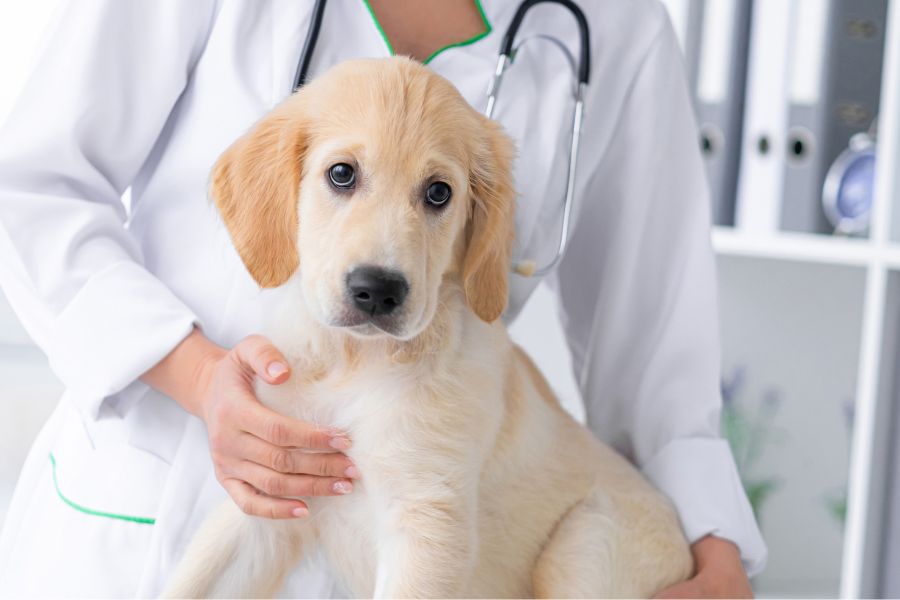
Reach out to your nearest veterinarian in Charleston for guidance. Urinary tract infections, digestive issues, or stress can affect bathroom habits.
Conclusion
Potty training a puppy takes patience, structure, and the right approach, but the payoff is a confident, well-adjusted dog with great habits. By establishing a routine, using positive reinforcement, and maintaining consistency, you’ll help your puppy learn quickly and happily. If you’re in Charleston, SC, and searching for the best animal hospital near me to support your pet’s health, Cainhoy Veterinary Hospital is here to provide trusted, friendly, and expert care for your growing companion.
FAQs
Q1: What is the fastest way to potty train a puppy?
Ans: The fastest method is maintaining a consistent schedule, supervising closely, and rewarding immediately when your puppy goes in the right spot.
Q2: How often should I take my puppy outside for potty breaks?
Ans: Most puppies need a break every 1–2 hours, along with trips after meals, naps, and play sessions.
Q3: Why does my puppy keep having accidents indoors?
Ans: Accidents usually happen due to inconsistent routines, a lack of supervision, or not recognizing early cues. Medical issues may also play a role.
Q4: Should I use puppy pads during potty training?
Ans: Puppy pads are great for apartment dwellers or harsh weather, but may slightly extend training if you plan to switch to outdoor-only habits.
Q5: When should I see a vet about potty training problems?
Ans: If your puppy shows signs of pain, excessive urination, or sudden regression, consult a veterinarian to rule out health concerns.