710 Hopewell Drive, Suite 102, Charleston, SC 29492


If your pet has an upcoming procedure, knowing how to prepare your dog for surgery or prepare your cat for surgery can significantly reduce stress and improve recovery. Proper preparation helps minimize complications, ensures a smoother anesthesia process, and supports faster healing.
In this guide, we’ll walk you through a veterinarian-approved pre-surgery checklist for pets, explain what to expect before and after the procedure, and provide essential advice on pet surgery aftercare to help your furry companion recover safely.
Why Proper Preparation Before Pet Surgery Matters
Surgery can feel overwhelming for pet owners, but preparation plays a critical role in safety and success. Whether your pet is scheduled for a spay, dental procedure, mass removal, or orthopedic repair, preparation helps:
- Reduce anesthesia-related risks
- Prevent surgical delays or cancellations
- Improve surgical precision
- Promote faster recovery
- Lower stress for both pets and owners
An experienced veterinary surgeon relies on proper pre-operative preparation to ensure optimal outcomes. When owners follow instructions carefully, it reduces avoidable complications such as vomiting during anesthesia or poor wound healing.
Pre-Surgery Checklist for Pets
Use this comprehensive pre-surgery checklist for pets to stay organized and confident before your appointment.
1. Follow Fasting Instructions Carefully
Most dogs and cats must fast before surgery. Typically:
- No food for 8 to 12 hours before surgery
- Water may be allowed until early morning, unless instructed otherwise
- Puppies, kittens, or diabetic pets may have special instructions
Fasting prevents regurgitation and aspiration during anesthesia, which can be life-threatening. Always follow your veterinarian’s specific guidance.
2. Discuss Current Medications
Before you prepare your dog or cat for surgery, inform your veterinarian about:
- Prescription medications
- Supplements
- Herbal products
- Flea and tick preventives
- Recent vaccinations
Some medications, such as NSAIDs or steroids, may need to be paused before the procedure.
3. Complete Pre-Anesthetic Testing
Many veterinary hospitals recommend pre-surgical bloodwork to evaluate:
- Liver function
- Kidney function
- Blood sugar levels
- Red and white blood cell counts
- Clotting ability
Pre-anesthetic testing helps the veterinary surgeon adjust anesthesia protocols based on your pet’s health profile.
For senior pets or those with underlying conditions, additional diagnostics such as X-rays or ECGs may be recommended.
4. Prepare a Quiet Recovery Space at Home
Before surgery day, create a calm, safe area where your pet can rest afterward. This space should include:
- Soft bedding
- Low lighting
- Minimal noise
- Easy access to water
- Restricted movement
If your dog tends to jump on furniture, consider using baby gates or a crate during early recovery.
5. Bathe or Groom Before Surgery
If your veterinarian approves, bathe your pet a day or two before surgery. After surgery, bathing will not be allowed until the incision heals.
Do not apply topical treatments or sprays near the surgical site unless instructed.
6. Plan Your Schedule
On surgery day:
- Arrive on time
- Allow extra time for paperwork
- Keep your phone accessible
- Plan to monitor your pet closely for 24 to 48 hours afterward
Taking the day off work when possible helps you focus on post-operative care.
What to Expect on Surgery Day
When you arrive for veterinary surgery, the team will:
- Review fasting compliance
- Perform a physical examination
- Confirm consent forms
- Discuss anesthesia and pain management
During the procedure, your pet will be closely monitored for:
- Heart rate
- Blood pressure
- Oxygen levels
- Body temperature
- Respiratory rate
Modern veterinary surgical facilities use advanced monitoring equipment similar to that in human hospitals, increasing safety and precision.
How to Prepare Your Dog for Surgery Specifically
Dogs may respond differently to surgical stress than cats. When you prepare your dog for surgery, consider:
- Exercise restrictions the day before
- Removing collars or harnesses
- Bringing comfort items if permitted
- Keeping morning routines calm
High-energy dogs may require strict confinement after orthopedic or abdominal procedures. Discuss crate rest expectations in advance.
How to Prepare Your Cat for Surgery Specifically
Cats are often more sensitive to environmental stress. When you prepare your cat for surgery, focus on:
- Using a secure, well-ventilated carrier
- Placing familiar bedding inside the carrier
- Keeping dogs separated from the cat before transport
- Minimizing loud noises
Cats may hide after surgery, so prepare a small enclosed recovery area where you can monitor them easily.
Pet Surgery Aftercare: What Owners Must Know
Proper pet surgery aftercare is just as important as the surgery itself. Follow these essential steps:
Monitor the Incision
Check the incision twice daily. Look for:
- Redness
- Swelling
- Discharge
- Bleeding
- Gaping
A small amount of mild swelling can be normal, but worsening redness or discharge requires immediate veterinary attention.
Prevent Licking and Chewing
Most pets will try to lick the incision. This can cause infection or open the sutures.
Use:
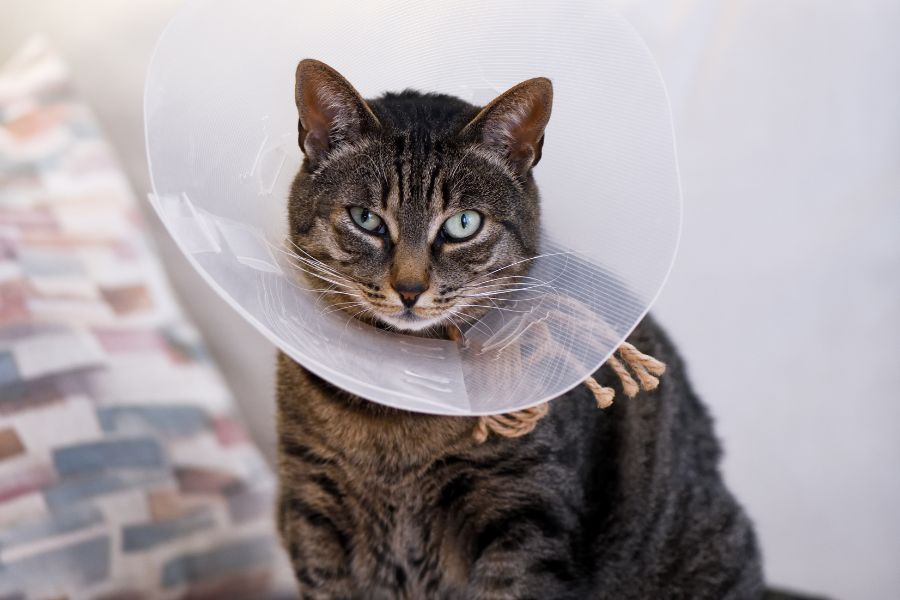
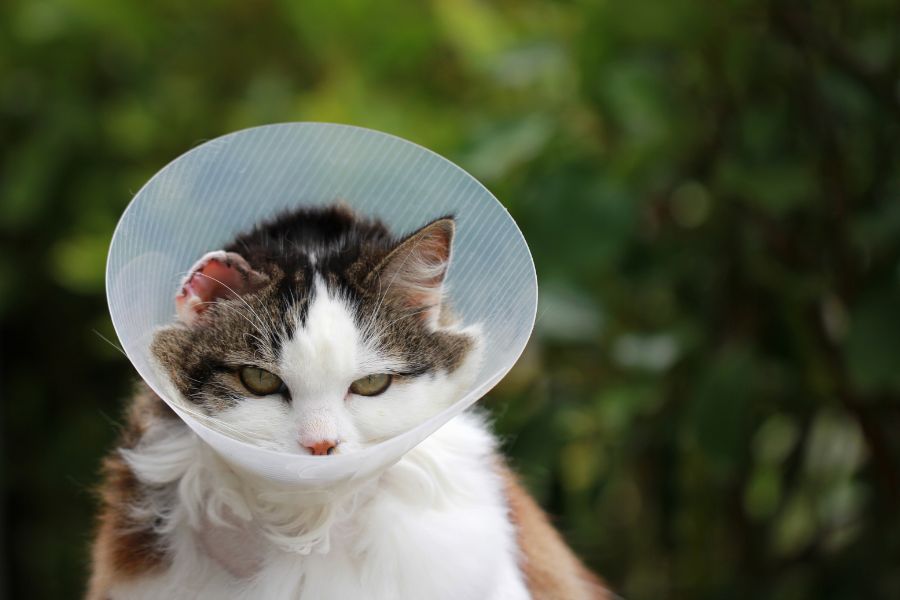
- An Elizabethan collar
- A surgical recovery suit
- A protective cone
Do not remove protective devices unless supervised.
Administer Medications Exactly as Prescribed
Pain management improves healing. Give:
- Antibiotics
- Anti-inflammatory medications
- Pain relievers
Never substitute human medications without veterinary approval.
Restrict Activity
Even if your pet seems energetic, internal healing takes time.
Typical restrictions include:
- No running
- No jumping
- No rough play
- Short leash walks only
Activity restrictions typically last 10 to 14 days, but orthopedic procedures may require longer confinement.
Monitor Appetite and Behavior
It is normal for pets to be slightly groggy after anesthesia. Contact your veterinarian if you notice:
- Persistent vomiting
- Refusal to eat for more than 24 hours
- Extreme lethargy
- Pale gums
- Difficulty breathing
Signs of Surgical Complications
Although complications are uncommon, knowing warning signs helps you act quickly. Contact your veterinarian immediately if you observe:
- Sudden swelling at the surgical site
- Excessive bleeding
- Foul odor from incision
- Fever
- Collapse
Early intervention improves outcomes significantly.
How Long Does Recovery Take?
Recovery time varies depending on the procedure:
- Spay or neuter: 10 to 14 days
- Dental surgery: 3 to 7 days
- Mass removal: 10 to 14 days
- Orthopedic surgery: 6 to 12 weeks
Your veterinary surgeon will provide individualized guidance.
Reducing Stress for You and Your Pet
Preparing emotionally is just as important as preparing physically.
Tips for owners:
- Ask questions before surgery day
- Write down instructions
- Keep follow-up appointments
- Maintain a calm tone around your pet
Pets are highly attuned to their owners’ emotions. Staying calm helps them feel secure.
Conclusion
Knowing how to prepare your dog for surgery or prepare your cat for surgery makes a measurable difference in safety, recovery time, and overall comfort. Following a structured pre-surgery checklist for pets and understanding proper pet surgery aftercare ensures your companion receives the best possible outcome.
If you are searching for expert veterinary surgery near me, the vet team at Cainhoy Veterinary Hospitalin Charleston, SC, provides advanced veterinary surgery with compassionate, personalized care. Schedule a consultation and ensure your pet is fully prepared for a safe and successful procedure.
FAQs
Q1: How long should I fast my dog before surgery?
Ans: Most dogs need to fast for 8 to 12 hours before surgery, but always follow your veterinarian’s exact instructions.
Q2: Can my cat drink water before surgery?
Ans: Water is usually allowed until the morning of surgery, but your veterinarian may give specific guidelines.
Q3: How do I keep my pet calm before surgery?
Ans: Maintain a quiet routine, avoid excessive stimulation, and use a secure carrier for transport.
Q4: What should I not do after my pet’s surgery?
Ans: Do not allow running, jumping, licking of the incision, or skipping prescribed medications.
Q5: When should I call the vet after surgery?
Ans: Call immediately if you notice swelling, discharge, persistent vomiting, extreme lethargy, or breathing problems.