710 Hopewell Drive, Suite 102, Charleston, SC 29492


Surgery, whether planned or unexpected, can be stressful for both pets and their owners. Understanding the surgical process can help ease anxiety and ensure you’re fully prepared to support your pet through each step of the journey. Here’s a breakdown of what typically happens before, during, and after a surgical procedure.
Before Surgery: Preparation and Pre-Op Protocols
1. Initial Evaluation and Diagnosis
Once a veterinarian determines that surgery is necessary—whether for routine procedures like spaying/neutering or more complex issues—your pet will undergo a thorough evaluation. This may include blood tests, imaging (such as X-rays or ultrasounds), and a physical exam to confirm that your pet is fit for anesthesia and surgery.
2. Fasting Instructions
Most pets need to fast before surgery to reduce the risk of vomiting under anesthesia. This typically means no food for 8–12 hours before the procedure. Water may be allowed until a few hours before the surgery, but always follow your veterinarian’s specific guidelines.
3. Medications and Health Conditions
If your pet is on regular medication, your vet will advise whether to continue or withhold it. Be sure to disclose any known allergies, pre-existing conditions, or recent health concerns.
4. Consent and Cost Estimates
You’ll usually be asked to sign a consent form acknowledging the risks and authorizing the procedure. The veterinary team may also provide an estimate of the costs involved, including surgery, anesthesia, hospitalization, and follow-up care.
During Surgery: What Happens While Your Pet Is in the Clinic
1. Pre-Anesthetic Exam
Even on the day of the surgery, a pre-anesthetic check is typically done to confirm that your pet is stable. Vitals are assessed, and an intravenous (IV) catheter may be placed for administering fluids or medications.
2. Anesthesia and Monitoring
Once anesthesia is administered, your pet is continuously monitored throughout the procedure. This includes tracking heart rate, respiratory rate, oxygen levels, and temperature. Advanced monitoring systems help ensure your pet’s safety during the operation.
3. The Surgical Procedure
Depending on the nature of the surgery, it may take anywhere from 30 minutes to several hours. Sterile techniques are used to minimize the risk of infection. After the procedure, your pet is moved to a recovery area for close observation as they wake from anesthesia.
After Surgery: Recovery and Post-Op Care
1. Waking Up From Anesthesia
Most pets tend to be a little sleepy or out of sorts for a few hours following surgery. If you see them whimpering or acting restless, it’s usually just the anesthesia affecting them, not because they’re in pain.
Your vet will keep them under observation until they’re stable enough to return home or stay overnight if needed.
2. Pain Management and Medications
Pain control is a key part of recovery. Your pet may receive anti-inflammatory drugs, antibiotics, or sedatives depending on the type of surgery. Be sure to follow the dosing instructions carefully at home.
3. Feeding and Rest
Don’t be surprised if your pet has a reduced appetite for the first 24 hours. Please provide only small portions of food and water unless you receive different instructions. Ensure they have a quiet, comfortable area to rest without stairs, jumping, or rough activity.
4. Wound Care and Activity Restrictions
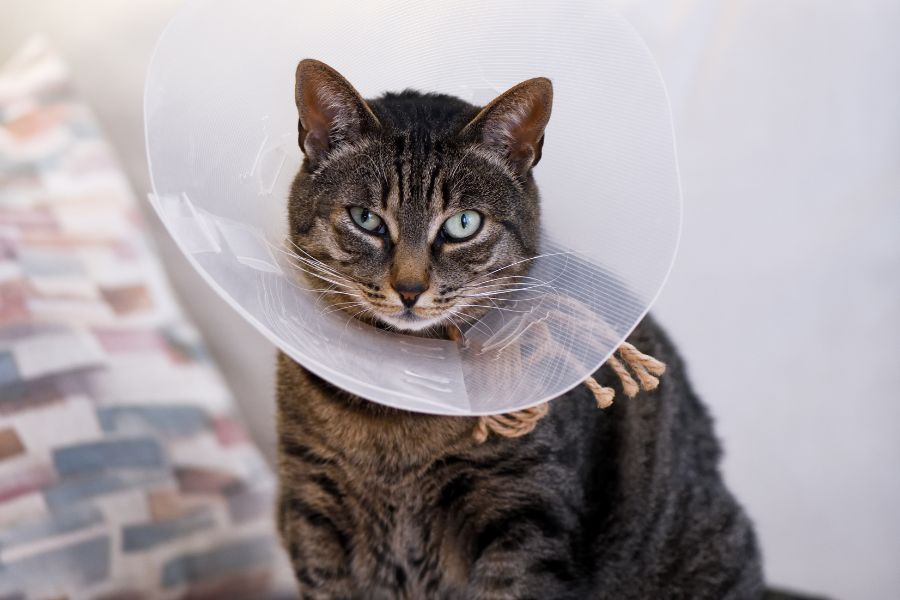
Make sure to monitor the surgical site for any signs of infection, like redness, swelling, or discharge. Your pet may be given an Elizabethan collar (cone) to prevent licking or biting at the stitches. Restrict physical activity for the period recommended by your vet—usually 10–14 days.
5. Follow-Up Visits
Post-operative check-ups are often scheduled to monitor healing and remove stitches or staples if needed. These appointments are important to ensure the recovery is on track and to catch any complications early.
Signs to Watch For After Surgery
While most pets recover smoothly, it’s important to know when to call your vet. Contact your veterinary clinic if you notice:
- Persistent vomiting or diarrhea
- Lethargy beyond the first 24 hours
- Refusal to eat or drink for more than a day
- Excessive bleeding or oozing from the surgical site
- Difficulty breathing or coughing
Surgical care is an essential part of veterinary medicine, helping pets recover from injuries, prevent disease, or improve quality of life. While the process can seem daunting, understanding what to expect before, during, and after surgery can help you feel more confident and prepared. By sticking to your veterinarian’s advice and keeping a close eye on your pet during their recovery, you’re really helping them heal successfully.