710 Hopewell Drive, Suite 102, Charleston, SC 29492



As a loving cat owner, you naturally want the best possible care for your furry companion. When your veterinarian mentions the need for “soft tissue surgery,” it’s understandable to feel a bit concerned. This term might sound complex, but it essentially refers to a wide range of surgical procedures performed on the internal organs and tissues of your cat’s body that aren’t bones. Let’s break down what soft tissue surgery entails and why it might be necessary for your beloved pet.
What Exactly Are Soft Tissues?
In the context of veterinary medicine, soft tissues include all the structures in your cat’s body other than the skeletal system. This encompasses a vast array of vital organs and systems, such as:
- Gastrointestinal (GI) tract: This includes the esophagus, stomach, intestines, liver, gallbladder, and pancreas.
- Urinary tract: This involves the kidneys, ureters, bladder, and urethra.
- Respiratory system: This includes the lungs, trachea, and diaphragm.
- Reproductive system: This covers the uterus, ovaries, testes, and prostate gland.
- Skin and associated structures: This includes skin, subcutaneous tissue, and mammary glands.
- Eyes and ears: While sometimes considered separately, surgeries on these organs fall under the broader umbrella of soft tissue procedures.
- Lymph nodes and spleen: These are essential components of the immune system.
Therefore, soft tissue surgery addresses a diverse range of medical conditions affecting these areas.
Why Might Your Cat Need Soft Tissue Surgery?
There are numerous reasons why your veterinarian might recommend soft tissue surgery for your cat. Some of the most common include:
- Foreign body removal: Cats are curious creatures and sometimes ingest objects that can become lodged in their digestive tract, requiring surgical removal to prevent serious complications.
- Tumor or mass removal: Benign or malignant growths can develop in various soft tissues. Surgery is often the primary treatment for removing these masses and preventing their spread.
- Organ repair: Trauma, such as from falls or accidents, can damage internal organs, necessitating surgical repair.
- Abscess drainage: Infections can sometimes lead to the formation of painful abscesses that require surgical drainage and cleaning.
- Urinary blockages: Male cats are particularly prone to urinary blockages, which can be life-threatening and often require surgical intervention to relieve the obstruction.
- Spaying and neutering: These routine surgical procedures prevent unwanted litters and offer various health benefits.
- Hernia repair: A hernia occurs when an organ or tissue protrudes through a weakened area of the muscle wall, often requiring surgical correction.
- Gallbladder removal: In cases of severe gallbladder disease or obstruction, surgical removal might be necessary.
What to Expect Before, During, and After Surgery
If your cat requires soft tissue surgery, your veterinarian will thoroughly explain the procedure, its risks and benefits, and the expected recovery process.
Before surgery, your cat will likely undergo a physical examination and pre-anesthetic blood work to ensure it is healthy enough for anesthesia. You will receive specific instructions regarding fasting (withholding food and water) before the procedure.
During surgery, your cat will be under general anesthesia and carefully monitored by a veterinary team. The surgeon will perform the necessary procedure with precision and care.
After surgery, your cat will be closely monitored as they recover from anesthesia. Pain medication will be administered to keep them comfortable. You’ll receive detailed instructions on post-operative care, which may include:
- Administering medications (pain relievers, antibiotics).
- Restricting activity to allow for proper healing.
- Monitoring the surgical incision for signs of infection (redness, swelling, discharge).
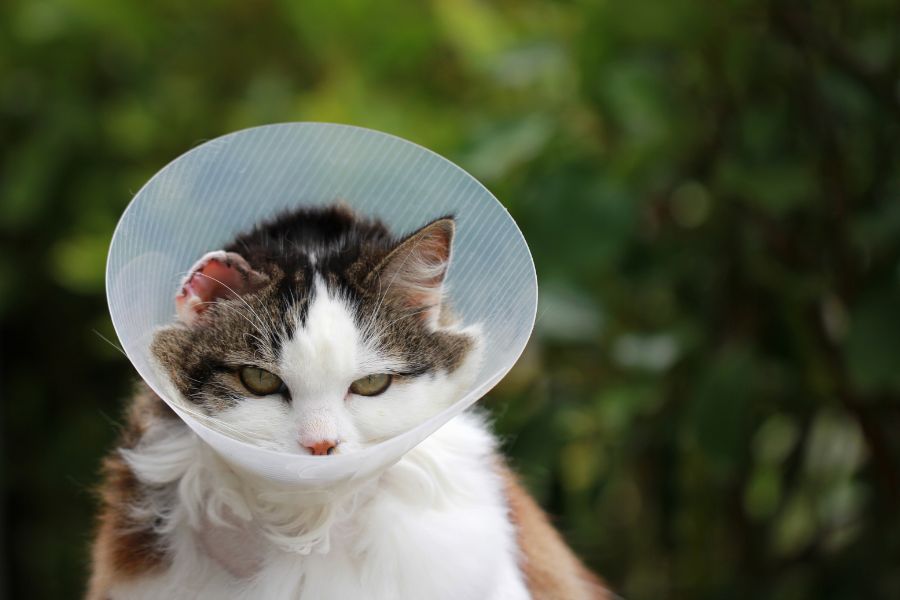
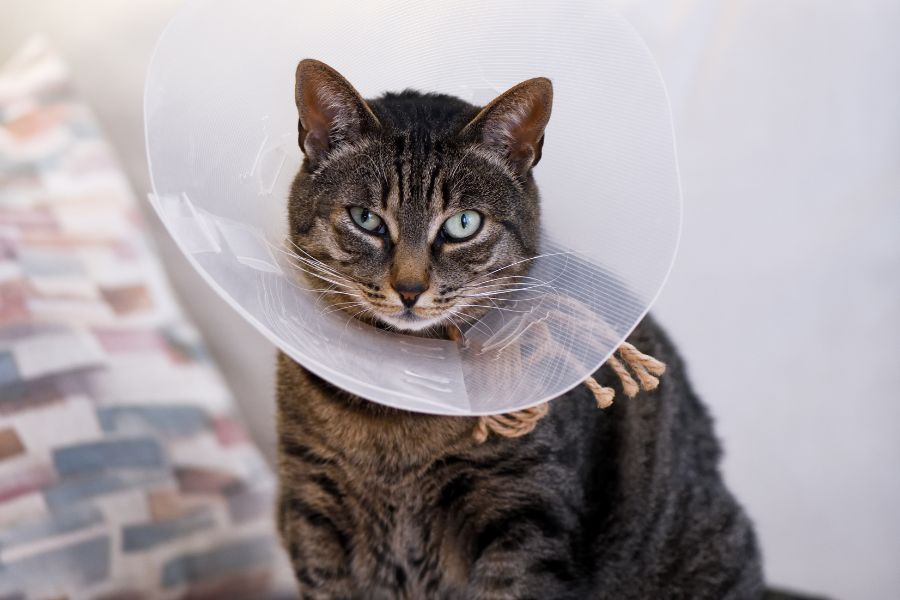
- Preventing your cat from licking or chewing at the incision (an Elizabethan collar, or “cone of shame,” may be necessary).
- Feeding a bland diet if the surgery involves the digestive system.
- Attending follow-up appointments with your veterinarian.
A Note of Reassurance for You
Learning that your cat needs surgery can be unsettling, but rest assured that veterinary soft tissue surgery is a well-established field with skilled professionals dedicated to providing the best possible care for your beloved companion. Your veterinarian will guide you through every step of the process, answering your questions and addressing your concerns. By understanding what soft tissue surgery entails and following your veterinarian’s instructions diligently, you will play an active and crucial role in ensuring your cat’s smooth recovery and a return to its happy, healthy self. Trust in the expertise of your veterinary team, and know that they are committed to providing your furry family member with the best possible outcome.