710 Hopewell Drive, Suite 102, Charleston, SC 29492


As a loving dog parent, your furry companion’s health and well-being are likely always on your mind. Just like us, dogs benefit immensely from regular check-ups to detect potential issues early and ensure they are thriving. While a veterinarian provides professional medical assessments, you can and absolutely should perform regular wellness checks at home. These at-home checks are invaluable for establishing a baseline of your dog’s normal condition, allowing you to quickly identify any deviations that might warrant a trip to the vet.
Observing Your Dog’s Demeanor and Behavior
One of the most crucial aspects of a home wellness check involves simply observing your dog. Please pay attention to their usual energy levels, enthusiasm for walks and playtime, and overall mood. Is your typically bouncy dog suddenly lethargic? Have they lost interest in their favorite toys? Are they exhibiting any signs of anxiety, restlessness, or irritability? Changes in behavior can be subtle indicators of underlying health concerns.
Also, keep an eye on their interactions with you and other family members. Are they as affectionate as usual? Do they seem withdrawn or less responsive? Noticing these shifts early can provide valuable clues for your veterinarian.
Checking Physical Appearance
A visual inspection is another key component of your at-home wellness check. Start by examining their coat. Is it shiny and healthy, or dull and brittle? Are there any bald patches, excessive shedding, or signs of skin irritation like redness, bumps, or scabs?
Next, take a look at their eyes. Are they bright and clear, or are they cloudy, watery, or discharging? Check their ears for any signs of redness, swelling, discharge, or a foul odor, which could indicate an infection.
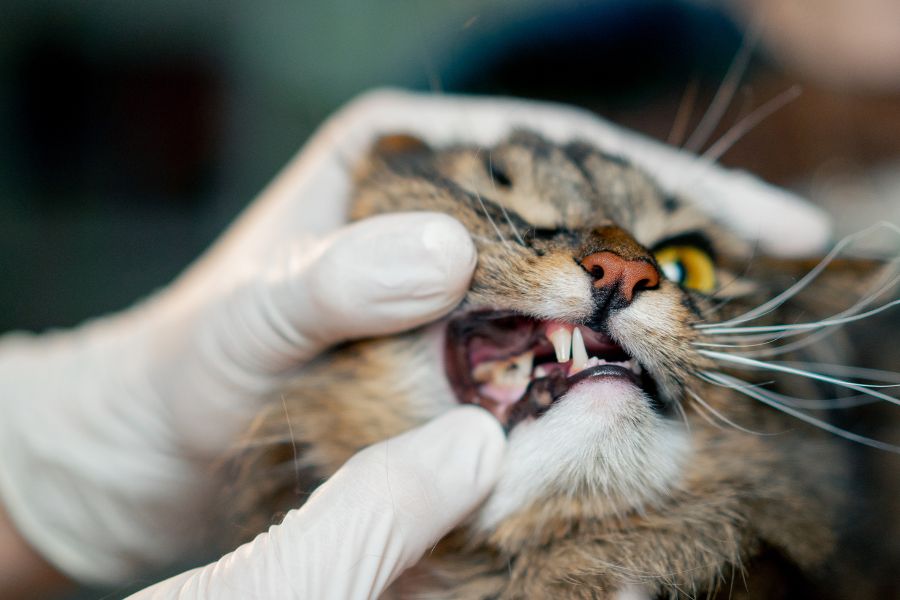
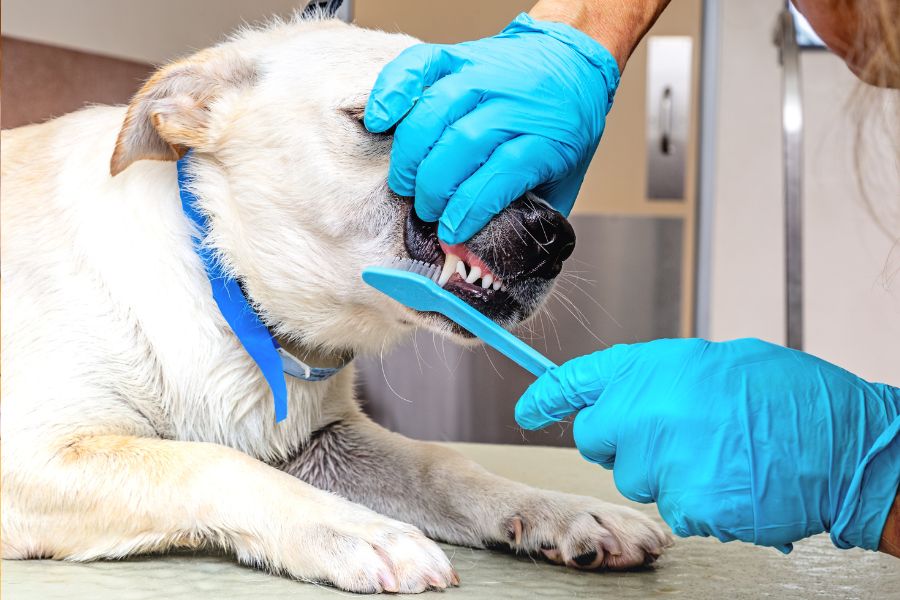
Inspect their mouth, paying attention to their gums. They should be pink and moist. Pale, white, or very red gums can be a sign of a problem. Gently lift their lips to check their teeth for tartar buildup, broken teeth, or any unusual growths. Please also pay attention to their breath, as persistent bad breath can be a symptom of dental issues or other health problems.
Palpation and Gentle Examination
Gently run your hands over your dog’s body, feeling for any lumps, bumps, or areas of tenderness. Please pay attention to any swelling in their joints or limbs. Observe their gait while they walk; are they limping or showing any signs of stiffness?
Feel their abdomen. It should be soft and not distended or painful to the touch. Note any changes in their weight – have they gained or lost weight unexpectedly?
Monitoring Vital Signs
While you can’t perform a comprehensive vital signs check like a vet, you can get a general sense of your dog’s well-being by observing their breathing. Is it regular and effortless, or are they panting excessively even when they haven’t been exercising? Are they coughing or sneezing more than usual?
You can also get an approximate idea of their heart rate by gently placing your hand on their chest behind their elbow. While the normal range varies depending on the size and breed, a significant increase or decrease from their usual resting rate could be a cause for concern.
Tracking Eating and Elimination Habits
Pay close attention to your dog’s eating and drinking habits. Have they experienced a loss of appetite or increased thirst? Note the frequency and consistency of their bowel movements and urination. Any significant changes, such as diarrhea, constipation, straining to urinate, or increased frequency, should be noted and discussed with your veterinarian.
A Partnership for Your Pet’s Well-being
Performing regular at-home wellness checks is an excellent way to participate in your dog’s healthcare actively. By becoming familiar with your dog’s normal state, you’ll be better equipped to notice subtle changes that could indicate a potential health issue. Remember, these at-home checks are not a substitute for professional veterinary care. Think of them as a valuable tool that empowers you to be a proactive and informed advocate for your beloved companion’s long and healthy life. By working in partnership with your veterinarian and diligently observing your dog, you’re providing them with the best possible chance for a happy and vibrant future.