710 Hopewell Drive, Suite 102, Charleston, SC 29492


Your dog leans in for a kiss, and you catch a whiff of something that stops you in your tracks. Or maybe your cat has been turning away from her food bowl lately, and you are not sure why. In both cases, the answer might be hiding in plain sight right inside their mouths. Pet dental cleaning is one of the most overlooked parts of routine animal care, yet it plays a major role in your pet’s comfort, health, and even lifespan. At Cainhoy Veterinary Hospital in Charleston, SC, we see firsthand how much of a difference a clean, healthy mouth can make. This article walks you through how often dogs and cats need professional dental cleanings, what the process looks like, and the warning signs that should prompt a vet visit sooner rather than later.
Why Pet Oral Health Matters More Than You Might Think
Most pet owners brush their dog or cat regularly, keep up with vaccines, and schedule annual wellness exams. But pet oral health is often the last box to get checked and that gap has real consequences.
By the time a dog or cat turns three years old, most already show early signs of dog dental disease or periodontal issues. The buildup of plaque and tartar along the gum line is not just cosmetic. Left untreated, bacteria from the mouth can travel through the bloodstream and affect the heart, liver, and kidneys.
Dental disease is also painful. Pets are wired to hide discomfort, so a cat refusing to chew hard food or a dog pawing at his face may actually be telling you something important.
The good news is that professional teeth cleaning for pets, paired with a solid home care routine, can prevent most of these problems before they take root.
How Often Should Pets Get a Professional Dental Cleaning?
There is no single answer that fits every pet, but here is a general framework that veterinarians follow:
For most dogs and cats:
- A professional teeth cleaning for pets is recommended at least once a year
- Small and toy dog breeds (Chihuahuas, Dachshunds, Shih Tzus) often need cleanings every six months because their teeth are crowded into smaller jaws, making plaque buildup faster
- Large breed dogs with naturally better dental spacing may do fine with annual cleanings
- Cats typically benefit from annual or biannual cleanings, depending on breed and diet
Factors that can increase frequency:
- A history of rapid tartar buildup
- Crowded or retained baby teeth
- A diet that is primarily wet food (less mechanical abrasion to the teeth)
- A breed predisposed to dental issues (Persians, Bulldogs, Pugs)
- Older age, since dental disease tends to progress over time
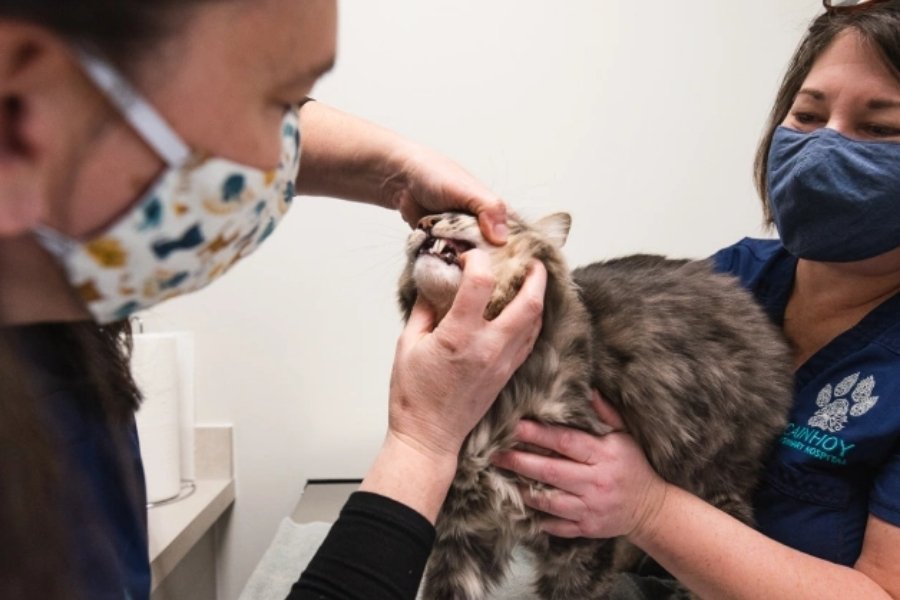
Your veterinarian will assess your pet’s mouth at every wellness exam and let you know if it is time to schedule a cleaning or if monitoring for another few months is appropriate.
Signs of Dental Problems in Pets You Should Not Ignore
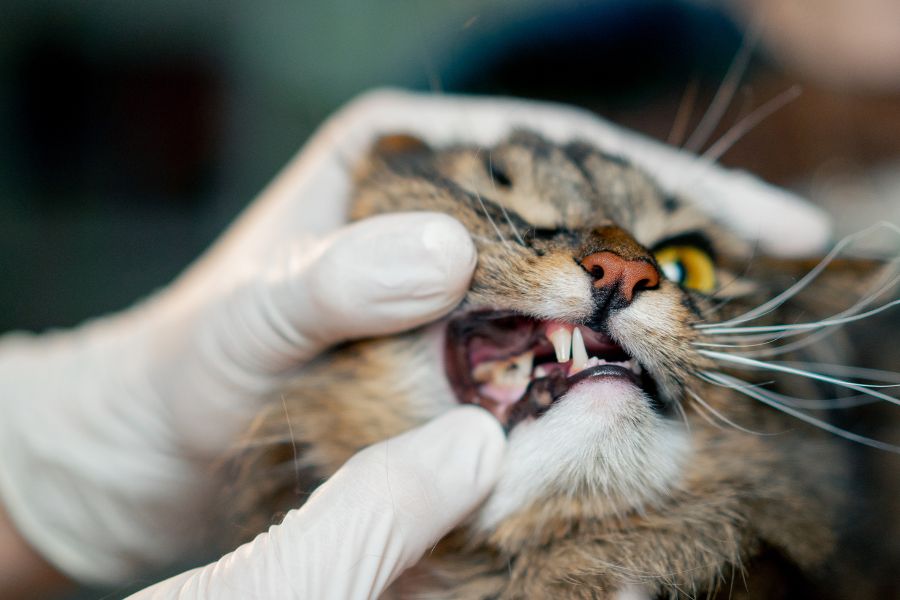
Catching signs of dental problems in pets early is one of the most effective ways to keep treatment simple and costs lower. Watch for the following:
- Bad breath that goes beyond typical “dog breath” and smells foul or sour
- Yellow or brown buildup along the gum line
- Red, swollen, or bleeding gums when your pet chews or is touched near the mouth
- Dropping food while eating or chewing only on one side of the mouth
- Pawing at the face or rubbing the mouth on furniture
- Drooling more than usual, especially if the saliva has a pink or bloody tint
- Decreased appetite, particularly around harder foods or kibble
- Loose or missing teeth in an adult pet
Any one of these can indicate periodontal disease, a broken tooth, an abscess, or another condition that needs professional attention. Do not wait for the annual exam if you notice these changes.
What Happens During a Veterinary Dental Exam and Cleaning
A lot of pet owners are curious about what a veterinary dental exam actually involves, especially because it requires anesthesia. Here is a step-by-step look at what to expect.
Before the procedure: Your vet will perform a pre-anesthetic blood panel to check organ function and confirm that your pet is healthy enough for sedation. This is standard practice and an important safety step, particularly for older pets.
During the cleaning: Once your pet is under safe general anesthesia, the veterinary team will:
- Scale plaque and tartar from above and below the gum line using ultrasonic and hand tools
- Polish each tooth surface to smooth any microscopic grooves where bacteria can hide
- Probe around each tooth to measure pocket depth and look for signs of bone loss
- Take dental X-rays to assess roots and bone structure beneath the gum line
- Extract any teeth that are fractured, infected, or no longer viable
After the procedure: Your pet wakes up in a monitored recovery area and is typically ready to go home the same day. Depending on what was found and treated, your vet may send home pain medication or antibiotics.
The anesthesia component is what sometimes makes owners hesitant, but modern veterinary anesthesia is very safe. The risks of untreated dental disease far outweigh the risks of a properly monitored procedure.
Dog Teeth Cleaning and Cat Dental Care at Home
Professional cleanings do the heavy lifting, but what you do at home between visits makes a meaningful difference. Think of it as the daily upkeep that stretches the time between professional appointments.
For dogs:
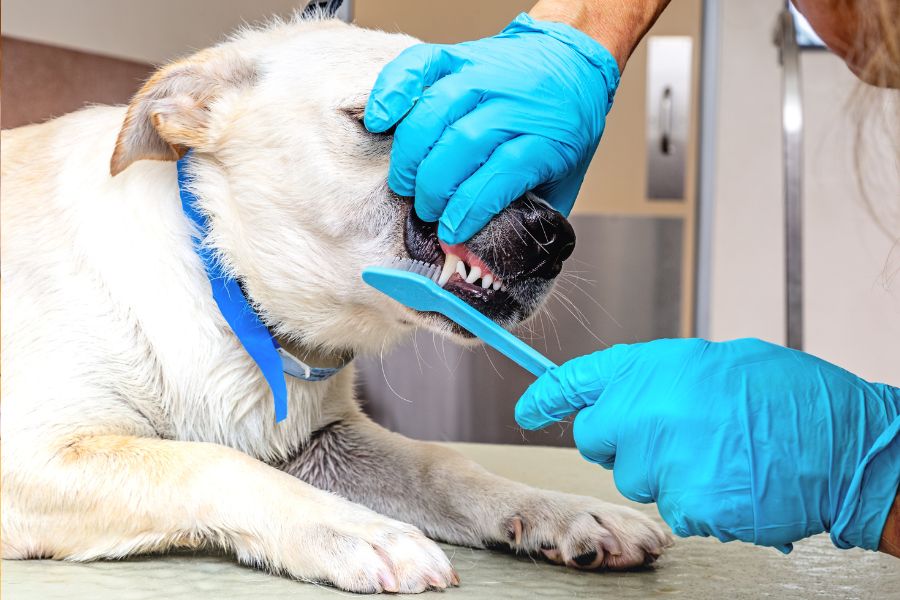
- Brush teeth daily using a pet-safe toothpaste (never human toothpaste, which contains xylitol)
- Offer dental chews approved by the Veterinary Oral Health Council (VOHC)
- Use water additives or dental rinses designed for dogs
- Provide appropriate chew toys that encourage mechanical cleaning without cracking teeth
For cats:
- Daily brushing is ideal, but even a few times a week helps
- VOHC-approved dental treats can reduce tartar in cats that resist brushing
- Dental diets formulated to reduce plaque are available by prescription
- Avoid hard items like real bones or antlers that can fracture teeth
Starting dental home care early, especially in puppies and kittens, builds tolerance and turns brushing into a routine rather than a battle.
What Pet Owners Can Expect from an Animal Hospital?
When it comes to pet dental cleaning, experience and attention to detail matter. At Cainhoy Veterinary Hospital, our team takes a whole-health approach to both dog dental care and cat dental care. We do not treat cleaning as a standalone task. We treat it as a window into your pet’s overall health.
Every dental procedure at our practice includes a full oral assessment, digital dental X-rays, and individualized aftercare guidance. We take time to explain what we found, what it means, and what steps you can take at home to maintain those results. For pets with complex dental needs, we work with you to build a monitoring schedule that fits their specific history and risk factors.
We understand that scheduling a dental cleaning involves trust, and we do not take that lightly.
Conclusion
Routine pet dental cleaning is one of the most impactful things you can do for your dog or cat’s long-term health. For most pets, that means at least one professional cleaning per year, more often for small breeds, older animals, or those with a history of rapid buildup. Pair that with consistent home care and regular wellness exams, and you are giving your pet the best chance at a pain-free, healthy mouth for years to come. If you have noticed any of the warning signs mentioned in this article, or if it has been more than a year since your pet’s last dental cleaning, reach out to your trusted Charleston Vet, Cainhoy Veterinary Hospital, today. Our team is here to help you take the next step.
Frequently Asked Questions
Q1: How often should dogs get a professional dental cleaning?
Ans: Most dogs benefit from a professional dental cleaning once a year. Small and toy breeds often need cleanings every six months because crowded teeth accelerate plaque and tartar buildup. Your vet will assess your dog’s mouth at each wellness visit and recommend a schedule based on their individual needs.
Q2: What are the signs that my cat needs a dental cleaning?
Ans: Common signs include bad breath, yellow or brown buildup on the teeth, red or swollen gums, drooling, difficulty eating, or a decreased interest in food. If your cat is pawing at her mouth or chewing only on one side, that is also a reason to schedule a veterinary dental exam sooner rather than at the next annual visit.
Q3: Is anesthesia safe for pets during a dental cleaning?
Ans: Yes, anesthesia-free cleanings only address visible tartar above the gum line and cannot treat the areas where disease actually develops. A full anesthetic allows your vet to safely probe, X-ray, and clean below the gum line where bacteria hide. Pre-anesthetic blood work further reduces risk by confirming your pet is healthy enough for the procedure.
Q4: How much does a pet dental cleaning typically cost?
Ans: Costs vary depending on your location, the size of your pet, and what is found during the procedure. A routine cleaning typically ranges from $300 to $700, with additional charges for extractions or other treatments. Many clinics offer dental health packages or payment plans. Investing in regular cleanings is usually far less costly than treating advanced dental disease or organ damage linked to chronic oral infections.
Q5: When should I take my pet to the vet for a dental issue right away?
Ans: Seek same-day or urgent veterinary care if your pet stops eating entirely, has visible swelling near the jaw or face, is bleeding from the mouth, seems to be in significant pain, or has a tooth that appears cracked or hanging. These can indicate an abscess, fracture, or severe infection that needs prompt treatment.