710 Hopewell Drive, Suite 102, Charleston, SC 29492



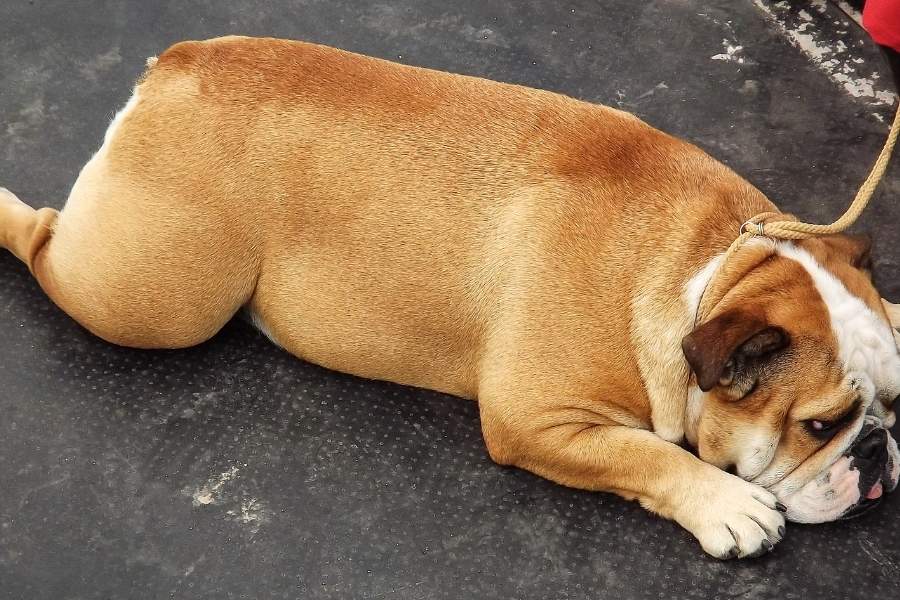
Dogs are family, and just like humans, they can face weight-related health issues. Extra pounds might look cute, but they could be doing more harm than good. Many pet parents don’t even realize their furry friend is overweight until it’s too late. Thankfully, it’s easier than you think to spot the signs and take action.
Paw-sitive Signs Your Dog Might Be Overweight
Your dog won’t come out and say, “I’ve gained weight,” but their body speaks volumes. Look closely at these physical and behavioral clues:
- Visible Weight Gain: If you can’t feel your dog’s ribs without pressing hard, chances are they’re carrying extra fat.
- No Waistline: From above, your pup should have a visible waist between their ribs and hips. A round or oval shape is a red flag.
- Reluctance to Exercise: A once playful pup now avoiding walks or tiring quickly may be struggling with excess weight.
- Heavy Breathing After Minimal Activity: If your dog pants excessively after a short walk, that extra weight could be the reason.
- Joint Stiffness or Limping: Carrying extra pounds puts pressure on their joints, leading to discomfort or arthritis.
Spotting even one of these signs should prompt a closer look—and maybe a vet visit.
Weighing In: What Causes Obesity in Dogs?
Weight gain in dogs is rarely random. Several factors contribute to the problem:
- Overfeeding: Free-feeding or oversized portions add up quickly.
- Poor Diet: High-calorie treats and table scraps can be major culprits.
- Lack of Exercise: Busy lifestyles often leave little time for dog walks or play.
- Breed Tendencies: Some breeds like Labradors or Dachshunds gain weight more easily.
- Age & Metabolism: Older dogs burn fewer calories, especially if they’re less active.
Understanding the “why” behind your dog’s weight gain is the first step toward meaningful change.
Scale Back Safely: Steps to Help Your Dog Lose Weight
Helping your dog shed pounds isn’t about starving them—it’s about creating a healthy routine. Here’s how to do it safely and effectively:
1. Consult a Vet First
Before changing your dog’s diet or exercise routine, get a professional assessment. This ensures there’s no underlying medical issue, such as thyroid disease or Cushing’s.
2. Portion Control
Follow vet-recommended guidelines for feeding. Use a measuring cup for precision, and resist the urge to “eyeball” amounts.
3. Switch to Weight Management Food
Ask about high-protein, low-fat dog foods formulated for weight control. Gradually transition to avoid upsetting your pup’s stomach.
4. Limit Treats and Snacks
Treats should account for no more than 10% of your dog’s daily calories. Consider low-calorie options like green beans or carrots.
5. Increase Daily Exercise
Start slow—add 10 minutes to your dog’s walk, then increase as they build endurance. Fetch, swimming, and agility exercises can also be fun ways to burn calories.
6. Monitor Progress
Weigh your dog regularly. Keep a food and activity log to track changes. This makes it easier to adjust routines as needed.
Why Preventative Care Matters
Local vet clinics offering Preventative Care in Charleston can play a critical role in your dog’s wellness journey. Regular wellness exams, nutritional guidance, and tailored weight loss programs help your dog lose weight safely and sustainably. Moreover, preventative care helps detect weight-related conditions early—before they turn into chronic problems.
Investing in preventative care isn’t just about helping your dog slim down. It’s about extending their life, improving their comfort, and enhancing your time together.
Healthy Dogs, Happy Homes: The Emotional and Physical Benefits
When your dog is at a healthy weight, it shows. You’ll likely see:
- Increased energy and playfulness
- Less panting and better stamina
- Reduced risk of diabetes, heart disease, and arthritis
- Better sleep and reduced anxiety
- An overall happier, more content demeanor
The emotional benefits are just as real. Seeing your dog bounce back to life is deeply rewarding—and it strengthens your bond.
Common FAQs About Overweight Dogs
1. How do I know if my dog is overweight?
Check if you can feel their ribs easily and if they have a visible waist. A body condition score (BCS) from a vet provides the most accurate insight.
2. Is it dangerous for dogs to be overweight?
Yes. Obesity can lead to serious health issues like diabetes, arthritis, heart disease, and reduced lifespan.
3. How much should I feed my dog to help them lose weight?
Follow your vet’s recommendation based on your dog’s weight, age, and activity level. Avoid guessing portion sizes.
4. Can walking alone help my dog lose weight?
Walking helps, but it works best when paired with dietary changes. Dogs need consistent calorie control along with daily exercise.
5. Should I stop giving treats entirely?
Not necessarily. Opt for low-calorie treats in moderation and consider using affection or toys as rewards instead.
6. How long does it take for a dog to lose weight?
It depends on how much weight your dog needs to lose. Safe weight loss is typically 1–2% of body weight per week. Be patient and consistent.
Give Your Dog the Gift of a Healthy Life
Helping your dog reach a healthy weight takes time, but it’s one of the best things you can do for their long-term health. From proper feeding habits to more exercise and consistent Preventative Care in Charleston, small steps can lead to big improvements.
If you’re unsure where to start, schedule a checkup with your local vet. Together, you can create a weight-loss plan that fits your dog’s needs and lifestyle. After all, a healthy dog means more tail wags, longer walks, and more joyful moments with your best friend.