710 Hopewell Drive, Suite 102, Charleston, SC 29492


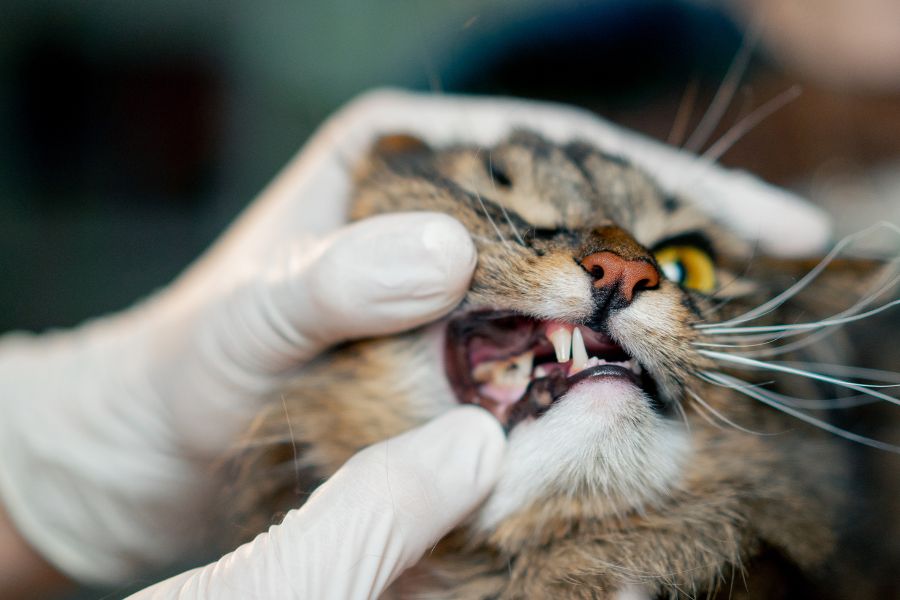
Dental problems in dogs and cats are more common than most pet owners realize. Poor oral hygiene can lead to bad breath, pain, infection, and even systemic diseases. In this guide, we’ll break down the causes, warning signs, and prevention strategies for common dental problems in pets.
What Are Common Dental Problems in Pets?
Dental problems in dogs and cats are widespread—affecting nearly 80% of pets by age three. Without proper pet dental care, plaque and tartar accumulate, leading to inflammation, pain, and infection.
Most common dental problems in pets include:
- Periodontal Disease: A progressive gum infection causing pain and tooth loss.
- Gingivitis: Early gum inflammation from plaque buildup.
- Broken or Loose Teeth: Often due to trauma or chewing on hard toys.
- Oral Abscesses: Infections at the tooth root or gums.
- Oral Tumors: Abnormal growths that require professional diagnosis.
- Retained Baby Teeth: Common in small breeds, leading to misalignment.
Causes of Dental Problems in Dogs and Cats
Dental diseases develop gradually due to bacteria, poor hygiene, and diet. Understanding the cause helps prevent long-term damage.
Top causes include:
- Lack of regular tooth brushing or dental cleaning
- Feeding mostly soft or sticky foods
- Chewing hard objects or bones
- Genetics (smaller breeds are more prone)
- Aging and neglect of routine checkups
Plaque hardens into tartar within 48 hours, creating a perfect environment for bacteria. Over time, this leads to gum recession, tooth decay, and systemic infections.
Early Signs Your Pet May Have Dental Disease
Spotting symptoms early can prevent serious complications. Look for these warning signs of pet dental problems:
- Persistent bad breath
- Drooling, bleeding, or pawing at the mouth
- Swollen gums or visible yellow-brown tartar
- Difficulty chewing or eating
- Loose or missing teeth
- Facial swelling or reluctance to play with chew toys
If you notice any of these, book a dental exam at an animal hospital in Charleston, SC, right away.
How Dental Health Affects Your Pet’s Overall Well-Being
Dental issues can extend beyond the mouth. When bacteria from infected gums enter the bloodstream, they can harm major organs like the heart, kidneys, and liver.
Maintaining strong pet dental health means:
- Reduced risk of systemic illness
- Improved appetite and comfort
- Better breath and oral hygiene
- Longer, happier life
Neglecting dental health can lead to chronic pain and costly treatments later.
Pet Dental Care Tips for Healthier Teeth
Keeping your pet’s teeth clean doesn’t have to be hard. Follow these pet dental care tips to prevent disease naturally.
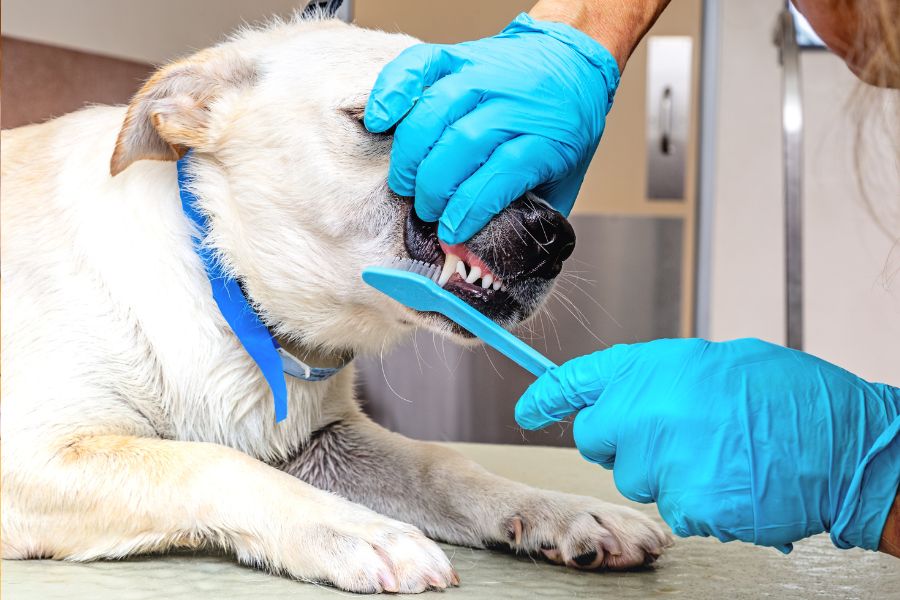
1. Brush Teeth Regularly
- Use a pet-safe toothpaste and a soft toothbrush.
- Start slowly, rewarding your pet for cooperation.
- Aim for brushing 3–4 times per week.
2. Offer Dental Treats & Chews
Choose VOHC-approved dental chews that help remove plaque and freshen breath.
3. Provide a Balanced Diet
Feed high-quality dry kibble or dental-formula foods to naturally clean teeth while chewing.
4. Schedule Regular Vet Checkups
Annual dental exams at your veterinary dental care provider help detect issues before they become severe.
5. Avoid Hard Toys
Skip real bones or antlers that can crack teeth—opt for durable rubber chew toys instead.
Professional Pet Dentistry: What to Expect at the Vet
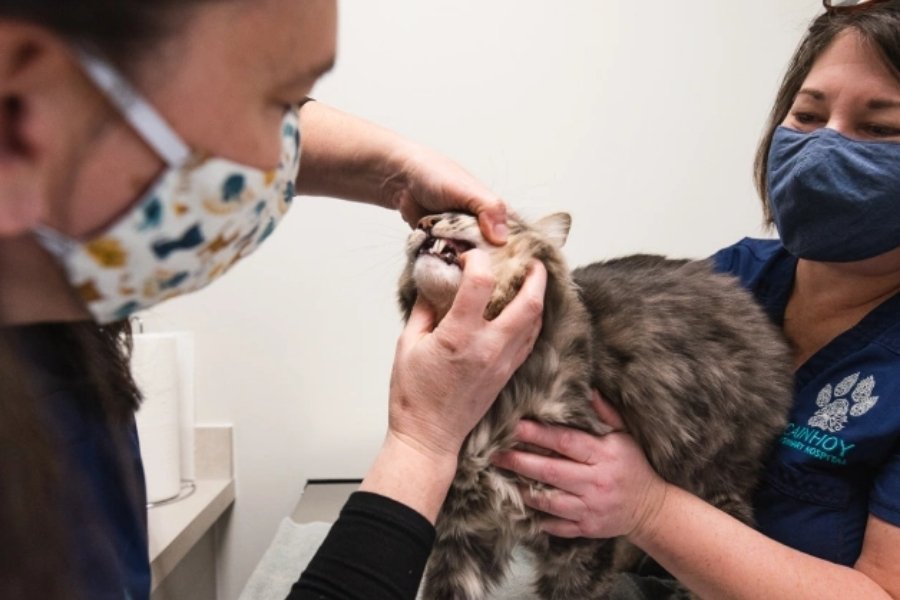
Professional cleanings at a trusted animal hospital in Charleston, SC, like Cainhoy Veterinary Hospital, are essential for maintaining oral health.
During a dental appointment, your vet will:
- Perform a full oral exam and check for hidden issues.
- Use dental X-rays to assess below the gumline.
- Conduct a professional cleaning under anesthesia to remove plaque and tartar safely.
- Polish and treat teeth to prevent future buildup.
- Address any extractions or infections as needed.
These procedures protect your pet’s teeth and overall health—something home brushing alone can’t achieve.
Preventing Dental Problems
Prevention is the most effective way to avoid painful and costly dental treatments.
Simple prevention plan:
- Brush your pet’s teeth regularly.
- Provide dental chews and toys.
- Schedule professional cleanings annually.
- Watch for changes in eating or chewing behavior.
- Follow your vet’s home-care recommendations.
Consistency is key—small daily habits protect your pet’s teeth for years to come.
Dental problems in dogs and cats can lead to discomfort and serious health issues if ignored. With consistent home care and professional dental checkups, you can keep your furry friend’s smile bright and pain-free.
FAQs
Q1: What are the signs of dental problems in dogs and cats?
Ans: Bad breath, drooling, bleeding gums, and difficulty chewing are common signs your pet may have dental disease.
Q2: How often should I brush my pet’s teeth?
Ans: Ideally, brush 3–4 times per week using pet-safe toothpaste to prevent plaque buildup.
Q3: Do pets really need professional dental cleanings?
Ans: Yes. Professional cleanings remove tartar below the gumline—something brushing can’t achieve.
Q4: Can dental problems affect a pet’s internal organs?
Ans: Absolutely. Bacteria from infected gums can spread to the heart, liver, or kidneys, causing serious illness.
Q5: What’s the best way to prevent dental disease in pets?
Ans: Combine regular brushing, dental chews, and annual veterinary dental exams for lasting oral health.